With more than 10‑year industry experience, Shandong Headpowder delivers full‑service pneumatic‑conveying systems and blowers, undertaking nationwide turn‑key powder‑handling projects.
Calcium oxide, commonly known as quicklime, is a widely used industrial material in various sectors such as construction, chemical manufacturing, and environmental treatment. The efficient and safe transportation of calcium oxide from production sites to processing facilities or end-users is crucial for maintaining operational efficiency and product quality. Pneumatic conveying systems have emerged as a preferred method for handling calcium oxide due to their ability to transport bulk materials in a dust-free environment, reducing health hazards and operational risks. This article delves into the operation process and working principle of calcium oxide pneumatic conveying, highlighting the key components, mechanisms, and benefits of this technology.
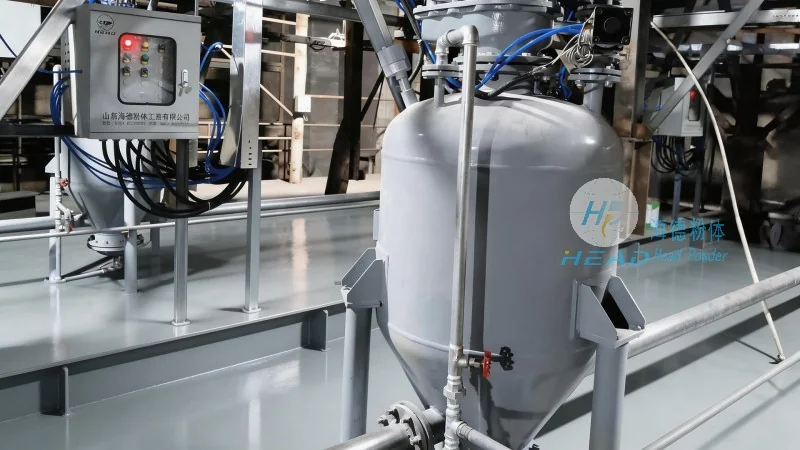
HeadPowder, a leading manufacturer in the field of material handling solutions, specializes in designing and implementing advanced pneumatic conveying systems tailored to the unique requirements of calcium oxide handling. The company, based in Shandong, China, leverages decades of industry experience to deliver reliable and efficient systems that meet the stringent standards of modern industrial applications. This section provides an overview of the importance of pneumatic conveying for calcium oxide and the role of HeadPowder in advancing this technology.
The core principle of pneumatic conveying involves the use of air or other gases to transport bulk materials through a pipeline system. In the case of calcium oxide, the system typically operates under positive pressure, where air is forced through the pipeline to move the material. The process begins with the material being fed into a hopper or feeder, where it is then drawn into the conveying line by the moving air stream. The air velocity is carefully controlled to ensure that the material particles are suspended and transported without causing blockages or excessive wear on the system components. The working principle can be broken down into several key stages: material feeding, air induction, particle suspension, and delivery to the destination point.
Effective calcium oxide pneumatic conveying relies on a combination of specialized components that work in harmony to ensure smooth operation. These components include the material feeder, which controls the flow rate of calcium oxide into the system; the air compressor or blower, which provides the necessary pressure and airflow; the conveying pipeline, which transports the material and air mixture; and the receiver or silo, where the material is deposited at the end of the line. Each component is designed to handle the specific characteristics of calcium oxide, such as its high reactivity and potential for dust generation. For instance, the feeder may use a rotary valve or a screw conveyor to maintain a consistent material flow, while the pipeline is often made of corrosion-resistant materials like stainless steel to prevent reactions with the material.
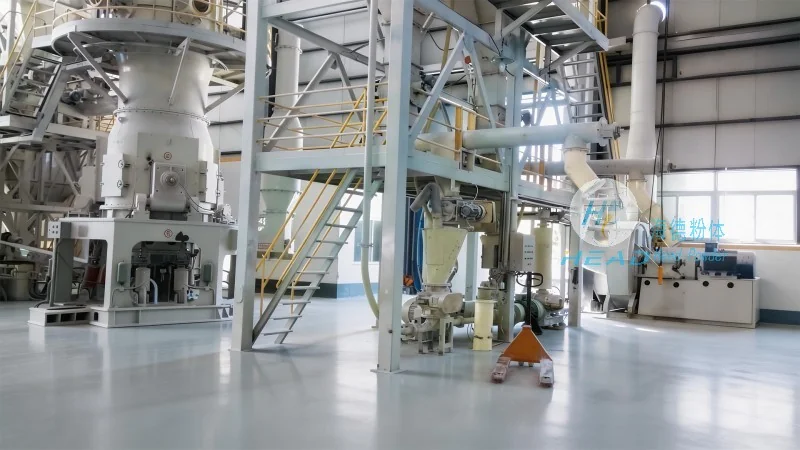
The operation process of a calcium oxide pneumatic conveying system involves a series of sequential steps that ensure the material is transported efficiently and safely. The process starts with the preparation of the material, where calcium oxide is stored in a silo or hopper. The feeder then regulates the flow of material into the conveying line, ensuring a steady supply. The air compressor generates the required pressure, and the air is introduced into the pipeline at the inlet of the feeder. As the material is drawn into the line by the air stream, it becomes suspended and travels through the pipeline to the destination point. The receiver at the end of the line collects the material, and the air is either filtered and recirculated or released to the atmosphere. HeadPowder's systems are equipped with advanced controls that monitor pressure, flow rate, and material level, allowing for real-time adjustments to optimize performance and prevent system failures.
Compared to traditional methods like belt conveyors or bucket elevators, pneumatic conveying offers several advantages for calcium oxide handling. One of the primary benefits is the ability to transport material in a dust-free environment, which reduces the risk of respiratory hazards and improves workplace safety. Additionally, pneumatic systems are more flexible in terms of layout, as they can be installed in various configurations to suit the space constraints of industrial facilities. The system also minimizes material degradation, as the material is not subjected to mechanical stress or abrasion during transport. Furthermore, pneumatic conveying can handle a wide range of material sizes and densities, making it suitable for different applications, from small-scale operations to large-scale industrial plants. HeadPowder's systems are designed to maximize these advantages, providing reliable and efficient solutions for calcium oxide transportation.
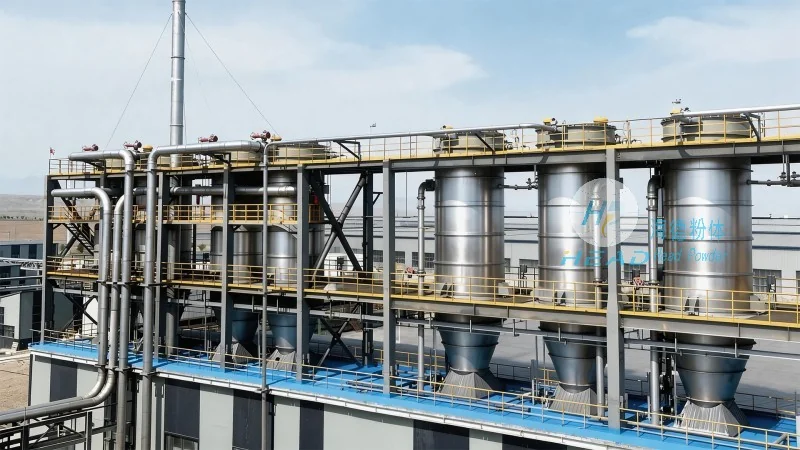
Calcium oxide pneumatic conveying systems are widely used in various industries that rely on calcium oxide as a raw material. In the construction industry, calcium oxide is used in the production of cement and concrete, where it serves as a key component in the manufacturing process. The chemical industry utilizes calcium oxide in the production of calcium carbide, calcium chloride, and other chemical products. Environmental applications also benefit from calcium oxide, as it is used in water treatment and flue gas desulfurization processes to neutralize acidic substances. HeadPowder's systems have been successfully implemented in these industries, providing efficient material handling solutions that enhance operational efficiency and product quality. The company's expertise in customizing systems to meet specific industry requirements has made it a trusted partner for businesses seeking reliable calcium oxide transportation solutions.
Maintaining the performance and safety of calcium oxide pneumatic conveying systems is essential for long-term operational efficiency. Regular maintenance is required to ensure that all components are functioning properly and to prevent system failures. This includes checking the air compressor for proper operation, inspecting the pipeline for leaks or blockages, and cleaning the filters to maintain air quality. Safety considerations are also critical, as calcium oxide is a reactive material that can cause burns or respiratory issues if not handled properly. HeadPowder's systems are equipped with safety features such as dust suppression systems and emergency shut-off valves to minimize risks. Additionally, the company provides comprehensive maintenance services and training to ensure that operators are equipped to handle any issues that may arise. By adhering to proper maintenance and safety protocols, businesses can maximize the lifespan of their pneumatic conveying systems and ensure the safety of their workforce.
In conclusion, calcium oxide pneumatic conveying is a highly effective and efficient method for transporting calcium oxide in industrial applications. The working principle, which involves using air to move material through a pipeline system, offers numerous advantages over traditional handling methods. HeadPowder, with its expertise in material handling solutions, has played a significant role in advancing this technology and providing reliable systems to various industries. As industrial demands continue to evolve, the development of more advanced pneumatic conveying systems, such as high-pressure and dense-phase systems, is expected to further enhance the efficiency and safety of calcium oxide transportation. The continued innovation in this field will likely lead to more sustainable and cost-effective solutions for the handling of calcium oxide, benefiting businesses and the environment alike.

 Shandong Headpowder Engineering Co., Ltd.
 156-6277-7102(Manager Zhang)
  0531-83386006
  Zhangqiu District, Jinan City, Shandong Province, China
telephone
WeChatconsult
top