With more than 10‑year industry experience, Shandong Headpowder delivers full‑service pneumatic‑conveying systems and blowers, undertaking nationwide turn‑key powder‑handling projects.
Shandong HeadPowder Engineering Co., Ltd., operating under the brand name headpowder, specializes in the design, manufacturing, and installation of advanced pneumatic conveying systems tailored for the bread flour industry. These systems are engineered to efficiently handle the unique characteristics of bread flour, ensuring minimal product degradation, consistent flow rates, and reliable operation in industrial settings. The following sections outline the classification and key components of such systems, providing a comprehensive overview for industry professionals seeking to understand or implement these critical equipment solutions.
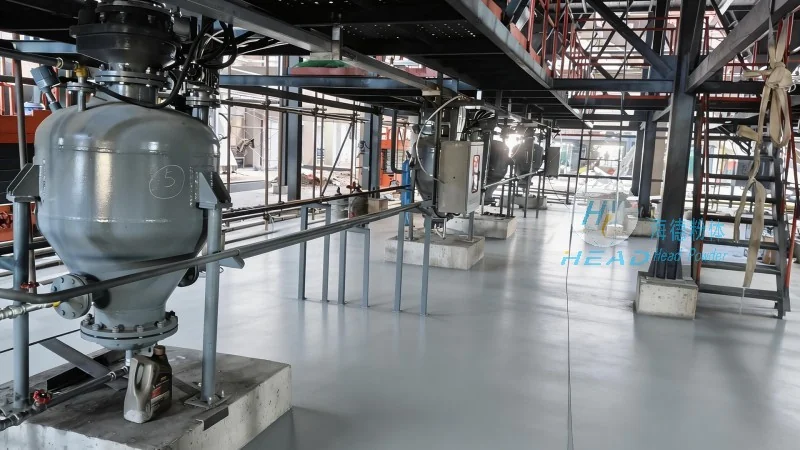
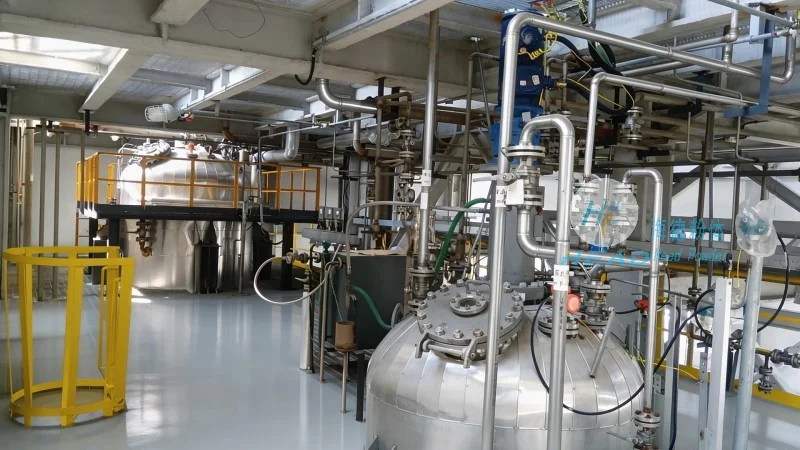
Bread flour pneumatic conveying systems are typically classified based on the pressure differential maintained within the system. The two primary categories are positive pressure systems and negative pressure systems. Positive pressure systems operate by introducing air or gas under pressure into the product stream, pushing the material through the conveying line. This method is often preferred for applications requiring high material flow rates, long-distance transport, or when handling materials that are prone to bridging or caking. Negative pressure systems, conversely, create a vacuum or reduced pressure in the conveying line, drawing the material from the source and pulling it through the system. This approach is commonly used for short-distance transport, where the material is less likely to degrade under vacuum conditions, and for applications requiring a clean, dust-free environment at the source.
A typical bread flour pneumatic conveying system comprises several critical components, each designed to perform a specific function in the material handling process. The main components include:
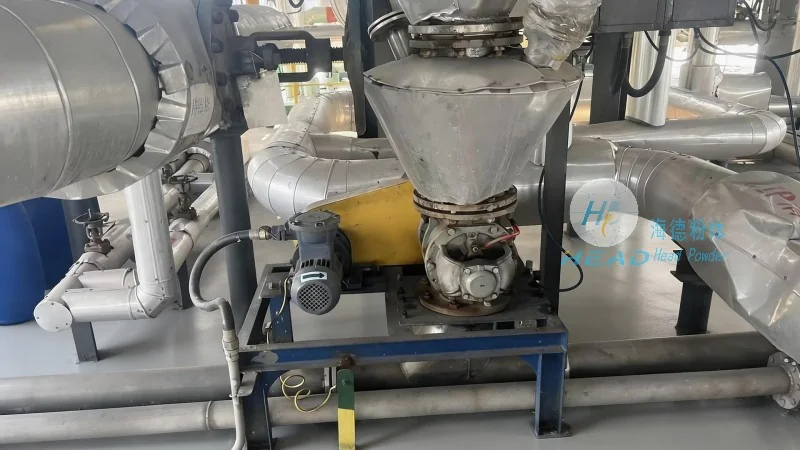
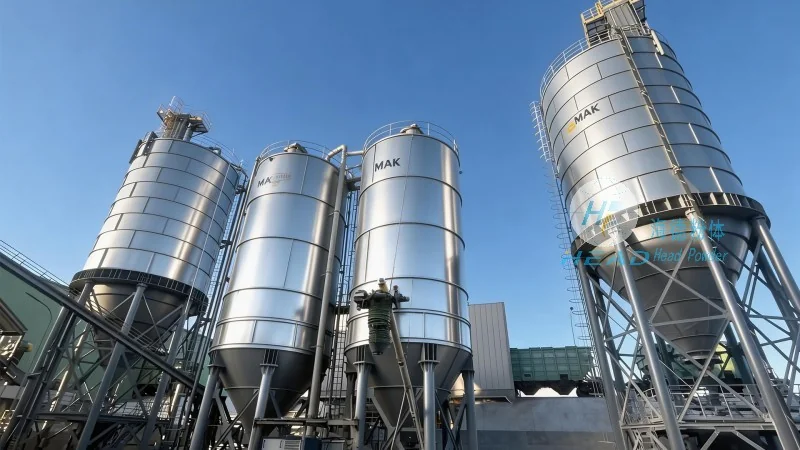
headpowder, with its headquarters in Shandong, China, offers comprehensive solutions for bread flour pneumatic conveying systems, tailored to meet the specific needs of each client. The company’s engineers work closely with customers to assess their operational requirements, material characteristics, and site constraints to design a system that maximizes efficiency and minimizes downtime. Customization options include adjustable conveying velocities, variable pressure control, and integration with existing production lines. headpowder also provides installation, commissioning, and maintenance services to ensure the system operates at peak performance throughout its lifecycle. By leveraging advanced engineering and industry expertise, headpowder delivers reliable and efficient pneumatic conveying solutions that enhance productivity and product quality in the bread flour industry.

 Shandong Headpowder Engineering Co., Ltd.
 156-6277-7102(Manager Zhang)
  0531-83386006
  Zhangqiu District, Jinan City, Shandong Province, China
telephone
WeChatconsult
top