

Principle and Working Scenario Characteristics of Gray Calcium Powder Pneumatic Conveying Systems
Gray calcium powder, also known as hydrated lime, is a widely utilized industrial material across sectors including construction, chemical processing, and environmental management. The efficient handling and transportation of this fine powder are critical for maintaining production efficiency and product quality. Pneumatic conveying systems have emerged as a reliable solution for transporting gray calcium powder over long distances or within complex industrial setups. This article explores the fundamental principles behind these systems and highlights the key working scenario characteristics that make them suitable for gray calcium powder applications.
Understanding the Core Principle of Pneumatic Conveying
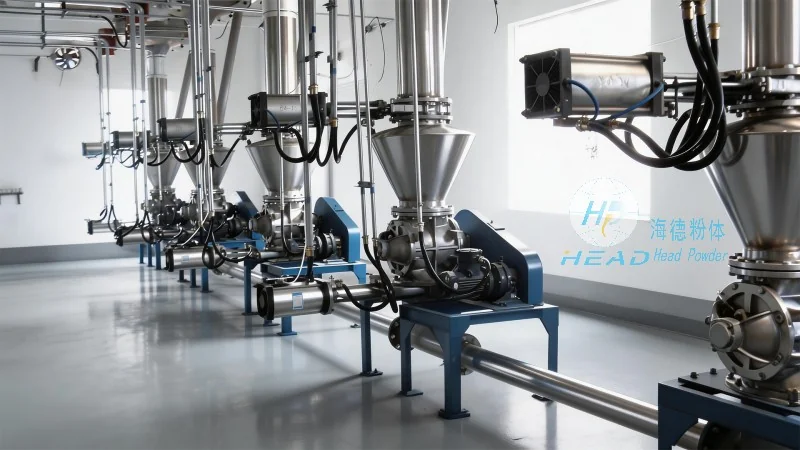
The pneumatic conveying system operates on the principle of utilizing compressed air or gas to transport bulk materials like gray calcium powder through a pipeline network. The system typically comprises a material feed hopper, a conveying line, and a discharge point. When the material is introduced into the hopper, it is drawn into the conveying line by the airflow generated by a blower or compressor. The air velocity within the pipeline is maintained at a level sufficient to keep the powder particles suspended, preventing them from settling or clogging the system. This suspension of particles allows for smooth and continuous transportation from the source to the destination.
Key Working Scenario Characteristics for Gray Calcium Powder
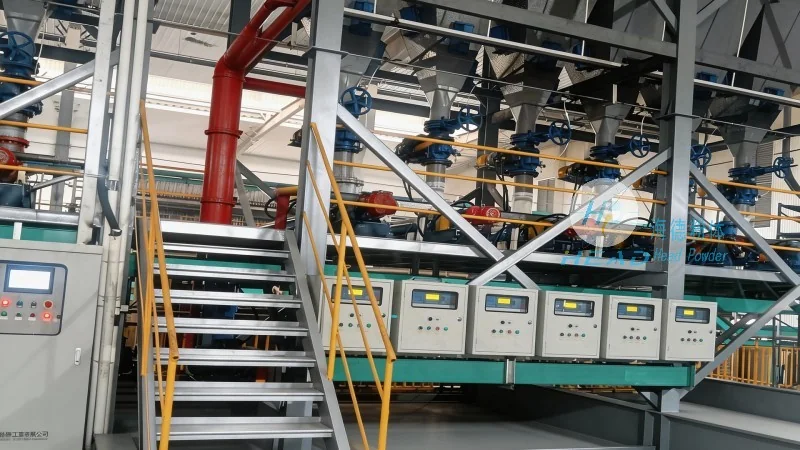
Several working scenario characteristics define the suitability of pneumatic conveying systems for gray calcium powder applications. Firstly, the system's capability to handle fine and abrasive powders is critical. Gray calcium powder often has a fine particle size, which can lead to high friction and wear if not handled properly. Pneumatic conveying systems are designed with materials that resist abrasion, such as stainless steel or special coatings, ensuring long-term durability and minimal maintenance. Secondly, the system's flexibility in handling varying flow rates is essential. Industrial processes may require adjustments in the amount of powder being transported, and pneumatic conveying systems can adapt to these changes by regulating the air pressure and flow rate. This adaptability ensures consistent performance under different operational conditions.
Advantages in Specific Industrial Applications
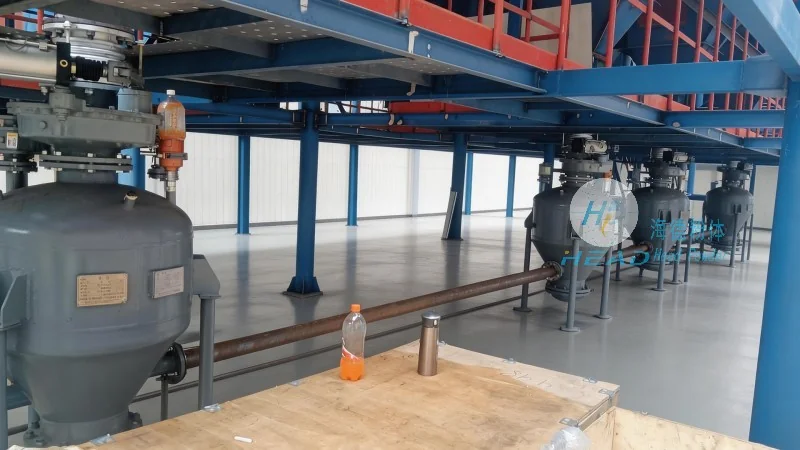
Shandong HeadPowder Engineering Co., Ltd., a leading provider of material handling solutions, specializes in designing and manufacturing pneumatic conveying systems tailored for gray calcium powder applications. The company's expertise lies in understanding the unique properties of gray calcium powder, such as its reactivity and moisture sensitivity, and integrating these considerations into the system design. For instance, in construction applications, the system efficiently transports gray calcium powder to mixing plants, ensuring uniform material distribution and consistent product quality. In chemical processing facilities, the system safely handles the powder during production, minimizing the risk of dust explosions and environmental contamination. The company's systems are also designed to meet stringent safety and environmental standards, making them suitable for various industrial environments.
System Components and Operational Efficiency
The effectiveness of a pneumatic conveying system for gray calcium powder depends on its well-designed components. The feed hopper is equipped with a rotary valve or a star feeder to control the material flow rate, preventing overloading and ensuring smooth feeding. The conveying line is typically made of robust materials like stainless steel or PVC, with appropriate bends and elbows to maintain the air velocity and prevent particle deposition. The discharge point may include a cyclone separator or a filter to separate the powder from the air, allowing for clean material collection and air recycling. These components work in harmony to optimize the system's operational efficiency, reducing energy consumption and maintenance costs.
Conclusion and Practical Implications
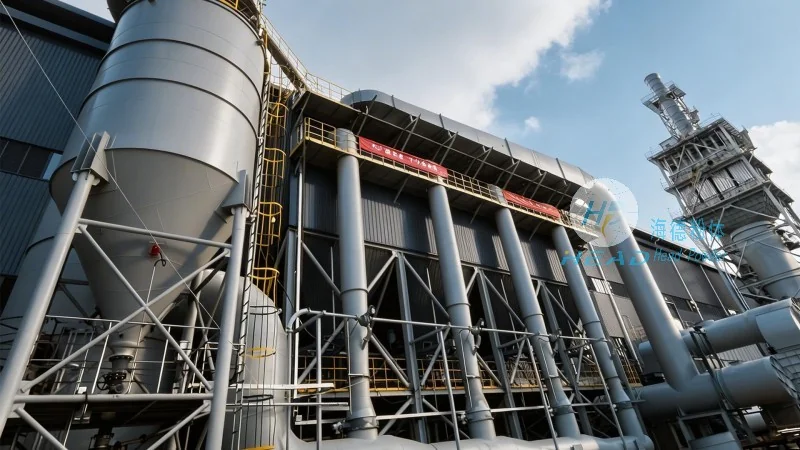
In conclusion, pneumatic conveying systems offer a reliable and efficient method for transporting gray calcium powder in various industrial scenarios. The system's ability to handle fine, abrasive materials while maintaining flexibility and safety makes it an ideal choice for applications in construction, chemical processing, and environmental treatment. Shandong HeadPowder Engineering Co., Ltd. leverages its expertise to design customized solutions that meet the specific needs of gray calcium powder handling, ensuring optimal performance and longevity. By understanding the core principles and working scenario characteristics, industries can effectively utilize these systems to enhance their operational efficiency and product quality.