With more than 10‑year industry experience, Shandong Headpowder delivers full‑service pneumatic‑conveying systems and blowers, undertaking nationwide turn‑key powder‑handling projects.
Protein powder, a critical ingredient in the food and beverage sector, demands efficient and reliable conveying systems to ensure seamless production workflows. The selection of a conveying method directly impacts operational efficiency, product integrity, and overall cost-effectiveness. This article examines common protein powder conveying approaches and highlights the advantages and features of HeadPowder's pneumatic conveying solutions, presented by Shandong HeadPowder Engineering Co., Ltd., a leading enterprise based in China.
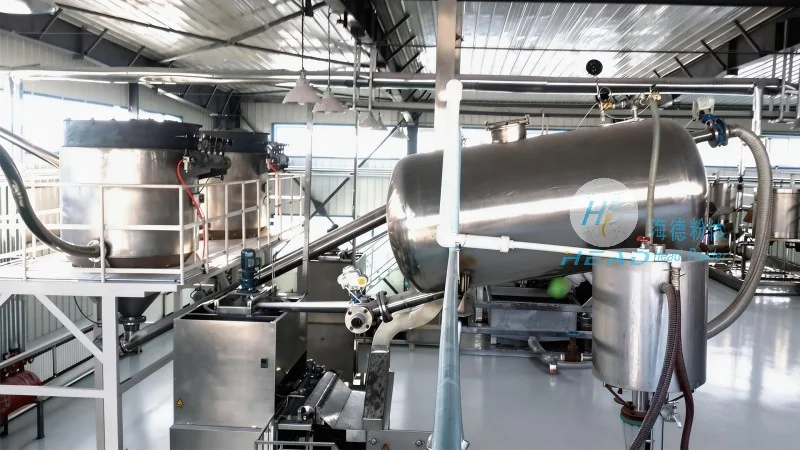
Protein powders—such as whey, soy, and casein—are typically fine, dry materials that present unique handling challenges. Traditional conveying methods include gravity flow, mechanical conveyors, and pneumatic systems. Each method has distinct advantages and limitations, making the choice process vital for manufacturers.
Gravity flow, or static conveying, relies on the natural force of gravity to move material from a higher to a lower elevation. This method is simple and low-cost, suitable for short horizontal or vertical distances where the powder is free-flowing and non-abrasive. However, it is constrained by the need for steep inclines and is ineffective for long distances or when the powder is cohesive or prone to bridging. For protein powders, which can exhibit bridging tendencies, gravity flow may lead to blockages and uneven flow, compromising efficiency.
Mechanical conveyors—including screw conveyors, belt conveyors, and bucket elevators—use mechanical energy to transport powder. Screw conveyors are widely used for horizontal or slight incline transport, while bucket elevators excel at vertical lifting. These systems offer good flow rate control and can handle large volumes. Yet, they have significant drawbacks for fine powders like protein powders. Mechanical conveyors cause product degradation due to friction and abrasion, generating dust and potential contamination. Additionally, they require regular maintenance and are prone to clogging, especially with cohesive powders.
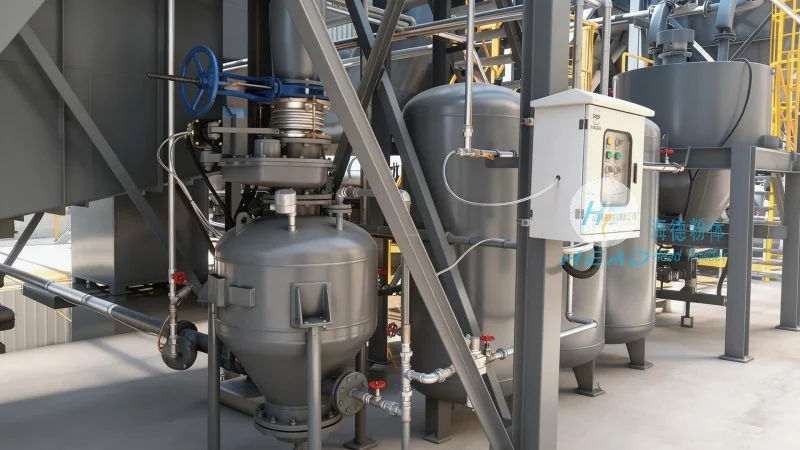
Pneumatic conveying, which uses air or gas to transport material, has become the preferred method for handling fine, dry powders such as protein powders. This technology offers advantages over traditional methods, including high efficiency, minimal product degradation, and the ability to handle long distances and complex layouts. Pneumatic systems are categorized into pressure and vacuum types, each with specific applications.
Shandong HeadPowder Engineering Co., Ltd. specializes in providing advanced pneumatic conveying systems tailored to the protein powder industry. The company's solutions are designed to address the unique challenges of handling fine, sensitive powders while ensuring optimal performance and reliability. Key advantages of HeadPowder's pneumatic conveying systems include:
HeadPowder's pneumatic conveying systems enable continuous, high-volume transport of protein powders. By using air to move material through pipelines, the system minimizes downtime and ensures a steady flow of product. This efficiency is particularly beneficial for large-scale production facilities, where consistent throughput is critical to meeting demand. The systems are designed to handle various powder types—including whey, soy, and casein—with minimal adjustments required.
Unlike mechanical conveyors, pneumatic systems use minimal contact between the powder and conveying components, reducing friction and abrasion. This results in less product degradation, preserving the nutritional quality and flavor of the protein powder. Additionally, the enclosed pipeline system prevents contamination from external sources, ensuring the product remains clean and safe for consumption. HeadPowder's systems are constructed with high-quality materials, such as stainless steel, to meet stringent hygiene standards.
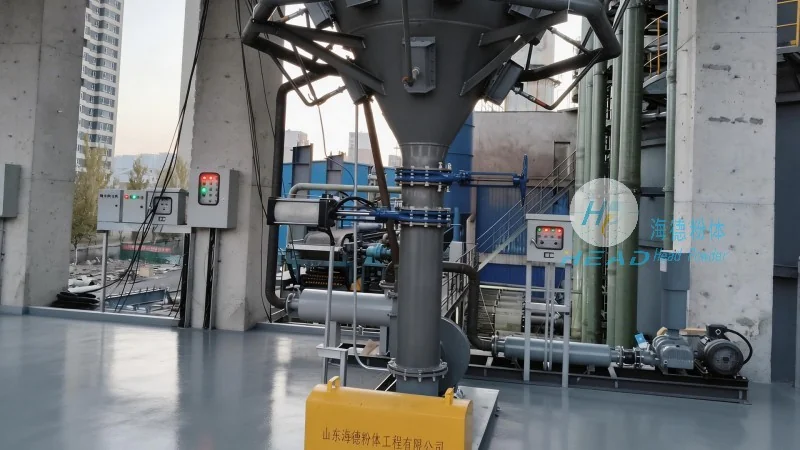
HeadPowder's pneumatic conveying solutions are highly flexible and can be customized to fit the specific requirements of each facility. The systems can be integrated with existing production lines or designed as standalone units, allowing for easy expansion as production needs grow. This scalability is a significant advantage for manufacturers adapting to changing market demands. The company offers a range of system configurations—from simple pressure conveyors to complex vacuum systems with multiple inlets and outlets.
Pneumatic conveying systems are inherently safer than mechanical alternatives, as they eliminate moving parts in the conveying path. This reduces the risk of product spillage and injury. Additionally, the enclosed design minimizes dust exposure, improving workplace safety. Maintenance requirements for pneumatic systems are relatively low compared to mechanical conveyors, as there are fewer components that can wear out or require frequent replacement. HeadPowder provides comprehensive maintenance services and spare parts support to ensure long-term system reliability.
Choosing the right conveying method for protein powders is essential to maintain product quality, ensure operational efficiency, and control costs. While gravity flow and mechanical conveyors have their place, pneumatic conveying—particularly with advanced solutions from Shandong HeadPowder Engineering Co., Ltd.—offers superior performance and reliability. The company's expertise in designing and manufacturing pneumatic conveying systems has made them a trusted partner for manufacturers in the protein powder industry. By leveraging the advantages of HeadPowder's solutions, companies can optimize their production processes, enhance product quality, and stay competitive in the market.

 Shandong Headpowder Engineering Co., Ltd.
 156-6277-7102(Manager Zhang)
  0531-83386006
  Zhangqiu District, Jinan City, Shandong Province, China
telephone
WeChatconsult
top