

[W]Working Principle and Features of Silicate Material Pneumatic Conveying Equipment
For industrial applications involving the handling of silicate materials, efficient and reliable material transport is crucial. Pneumatic conveying systems have emerged as a preferred solution, offering advantages in terms of safety, flexibility, and process integration. This article explores the working principle and key features of silicate material pneumatic conveying equipment, highlighting the expertise of Shandong HeadPowder Engineering Co., Ltd., a leading manufacturer based in China.
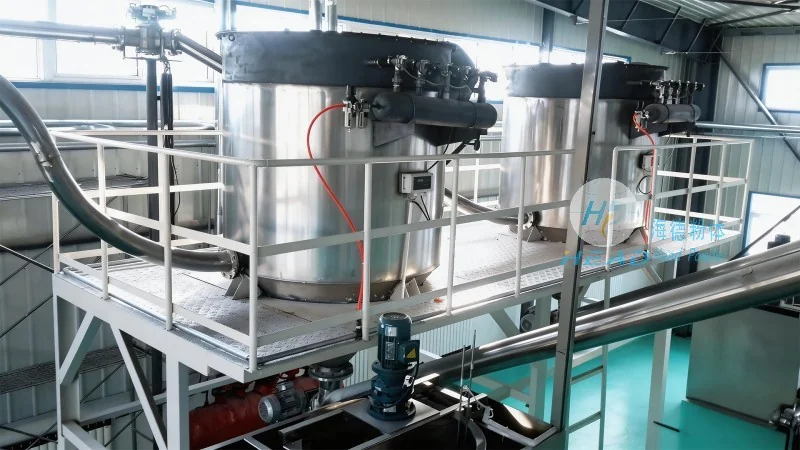
Introduction to Silicate Material Pneumatic Conveying
Silicate materials, such as silica sand, kaolin, and various ceramic powders, are widely used in industries like ceramics, glass, and construction. Traditional methods of material handling, including bucket elevators and belt conveyors, often face challenges with dust generation, material degradation, and limited flexibility. Pneumatic conveying systems address these issues by utilizing air to transport materials in a closed or semi-closed system. The equipment is designed to handle fine to medium-sized particles, ensuring minimal product contamination and operational efficiency.
Working Principle of Pneumatic Conveying Equipment
The core of pneumatic conveying equipment lies in its ability to use air pressure to move materials. The system typically consists of a blower or compressor, a hopper for material storage, a conveying line, and a receiver for the discharged material. The process begins with the material being fed into the hopper. As the air is introduced, it creates a low-pressure zone that draws the material into the conveying line. The air and material mixture travels through the pipeline, where the material is suspended and transported to the destination. At the receiver, the material is separated from the air, often through a cyclone separator or filter, and collected for further processing. The entire operation is controlled by a system of valves and sensors that regulate air flow and material feed, ensuring consistent performance.
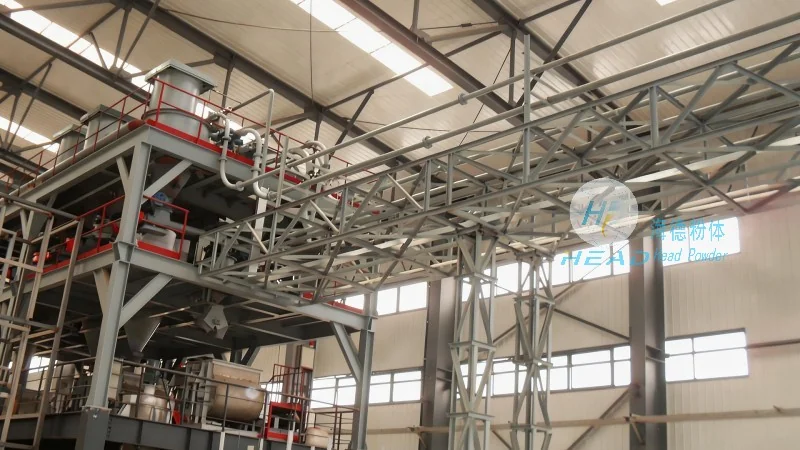
Key Features of Silicate Material Pneumatic Conveying Equipment
Shandong HeadPowder Engineering Co., Ltd. specializes in designing and manufacturing pneumatic conveying systems tailored to the unique properties of silicate materials. The equipment features several key characteristics that enhance performance and reliability:
1. High Efficiency and Low Maintenance: The systems are engineered for high material throughput with minimal energy consumption. The use of robust components, such as stainless steel pipelines and wear-resistant materials, reduces maintenance requirements and extends the equipment's lifespan.
2. Dust-Free and Clean Operation: Pneumatic conveying eliminates the need for open handling, significantly reducing dust exposure and environmental contamination. This is particularly important for silicate materials, which can be hazardous if inhaled or cause product contamination.
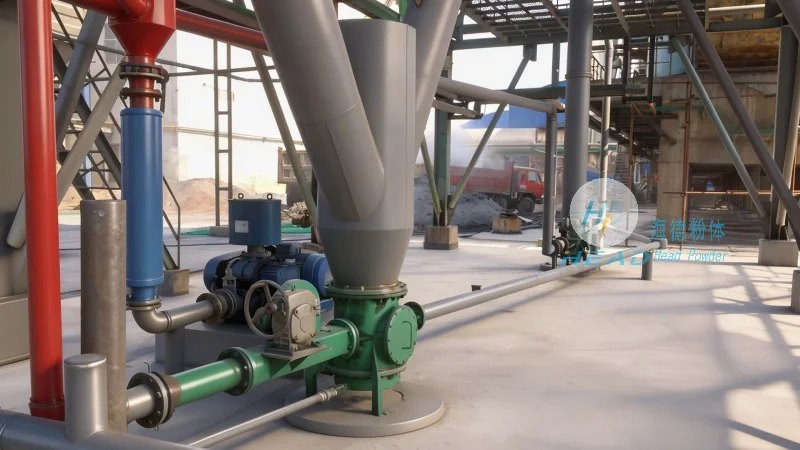
3. Versatility in Material Handling: The equipment can handle a wide range of particle sizes and shapes, from fine powders to coarse granules. It is adaptable to various process requirements, including vertical, horizontal, or mixed conveying configurations.
4. Compact Design and Space Efficiency: Compared to traditional bulk handling equipment, pneumatic conveying systems are more compact, allowing for installation in confined spaces without compromising performance.
5. Integration with Existing Processes: The systems can be easily integrated with existing production lines, providing seamless material flow and enhancing overall operational efficiency.
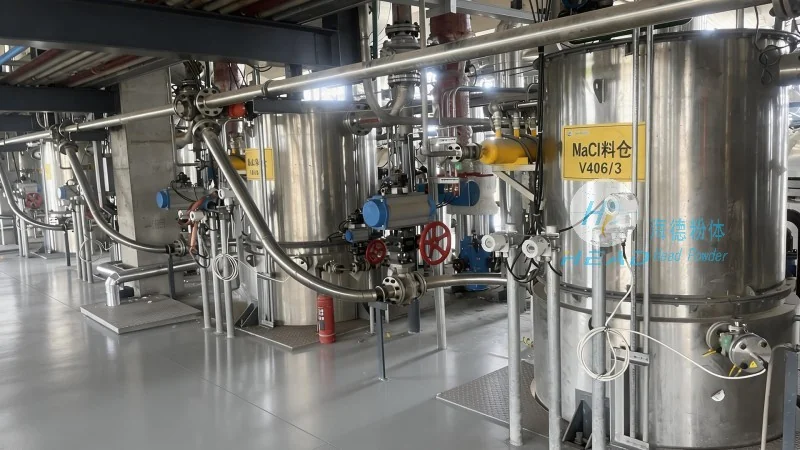
Application Examples and Benefits
The advantages of silicate material pneumatic conveying equipment are evident in various industrial applications. For instance, in the ceramics industry, the equipment efficiently transports raw materials like kaolin and silica sand to production lines, ensuring consistent quality and reducing downtime. In the glass manufacturing sector, it handles fine powders with precision, minimizing product loss and improving process control. The benefits extend to the construction industry, where the equipment facilitates the transport of sand and other aggregates for concrete production.
By leveraging the expertise of Shandong HeadPowder Engineering Co., Ltd., industries can achieve optimized material handling solutions that meet their specific operational needs. The company's commitment to quality and innovation ensures that their pneumatic conveying systems are designed to deliver reliable performance, enhance safety, and improve overall productivity.