With more than 10‑year industry experience, Shandong Headpowder delivers full‑service pneumatic‑conveying systems and blowers, undertaking nationwide turn‑key powder‑handling projects.
When it comes to handling and transporting magnesium oxide materials efficiently and safely, pneumatic conveying systems have emerged as a preferred solution in industrial applications. These systems utilize air or gas to transport bulk materials like magnesium oxide through a pipeline network, offering advantages such as dust-free operation, reduced material degradation, and improved process control. In this article, we will explore the working principle and key features of magnesium oxide material pneumatic conveying systems, highlighting how they enhance operational efficiency and reliability in material handling processes.
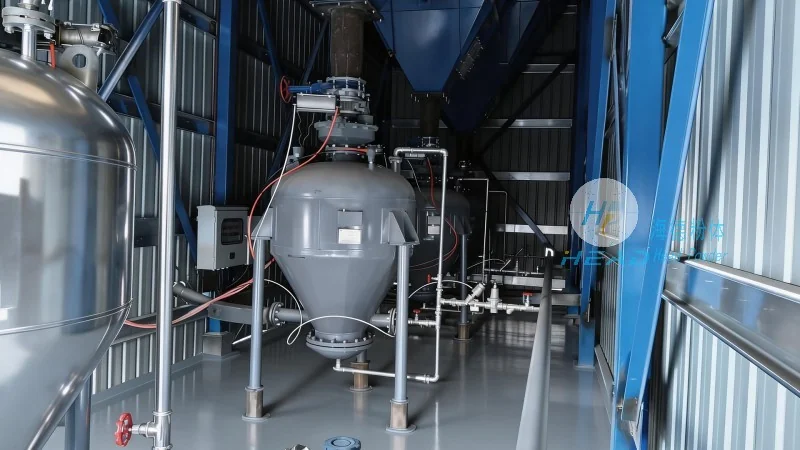
The core mechanism of a pneumatic conveying system for magnesium oxide involves the use of a blower or compressor to generate airflow within a closed pipeline system. The system typically consists of several components, including a material feeder, a conveying line, a separator or filter, and a discharge point. The process begins with the magnesium oxide material being fed into the system, either by gravity or through a mechanical feeder. As the material enters the pipeline, the high-velocity air stream entrains the particles, creating a slurry-like mixture that is then transported to the destination point. At the receiving end, a separator or cyclone separates the material from the air, allowing the magnesium oxide to be collected while the air is either recirculated or discharged. This continuous process ensures a consistent flow of material with minimal loss and contamination.
Several distinctive features make pneumatic conveying systems ideal for transporting magnesium oxide materials. Firstly, they provide a dust-free environment, which is crucial for maintaining product quality and ensuring workplace safety. Unlike traditional belt or bucket elevators, pneumatic systems prevent material spillage and dust generation, reducing the risk of contamination and improving overall hygiene. Secondly, these systems offer high material handling capacity, capable of transporting large volumes of magnesium oxide over long distances with minimal energy consumption. The ability to handle varying particle sizes and moisture content makes them versatile for different industrial applications. Additionally, pneumatic conveying systems are designed for easy integration into existing production lines, allowing for seamless material transfer without the need for extensive modifications. The compact design of these systems also saves valuable floor space, making them suitable for facilities with limited area. Another significant advantage is the reduced maintenance requirements compared to mechanical conveying equipment, as there are fewer moving parts and less wear and tear on components. This leads to lower operational costs and increased system reliability over time.
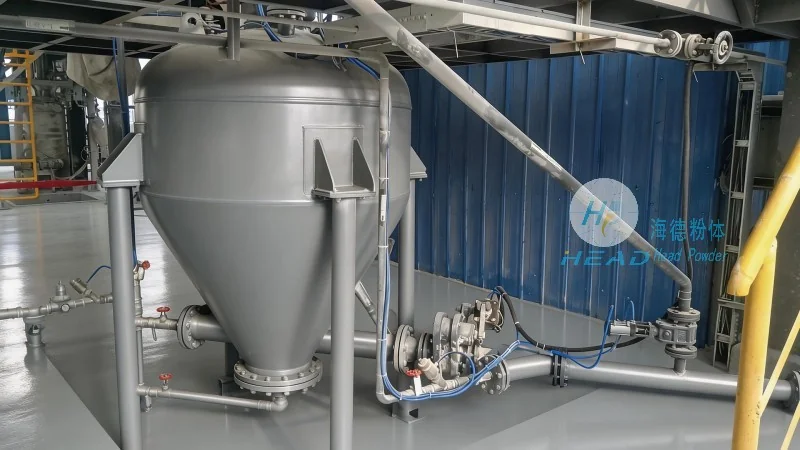
Magnesium oxide pneumatic conveying systems are widely used across various industries due to their adaptability and efficiency. In the chemical industry, these systems are employed for transporting raw materials and finished products, ensuring smooth production workflows. The pharmaceutical sector also utilizes pneumatic conveying for handling magnesium oxide in manufacturing processes, where product purity and contamination control are paramount. Additionally, in the construction materials industry, these systems facilitate the transport of magnesium oxide for use in cement and concrete production, enhancing the quality and consistency of building materials. The food and beverage industry may also benefit from such systems when handling magnesium oxide as an ingredient or additive, maintaining strict hygiene standards. Overall, the versatility of pneumatic conveying systems makes them a reliable choice for industries that require efficient, safe, and low-maintenance material handling solutions.
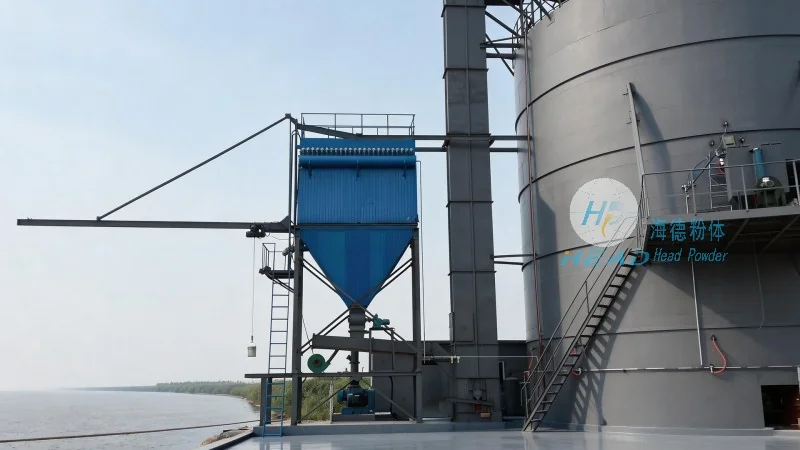
One of the key strengths of pneumatic conveying systems is their ability to be customized to meet specific operational requirements. Companies like Shandong HeadPowder Engineering Co., Ltd. specialize in designing and manufacturing tailored pneumatic conveying solutions for magnesium oxide materials. By considering factors such as material characteristics, distance to be covered, and desired throughput, engineers can configure systems with appropriate air velocities, pipeline diameters, and component configurations. This customization ensures optimal performance and efficiency for each application. Furthermore, these systems are scalable, allowing for expansion as production needs grow. Whether a small-scale operation requires a basic pneumatic conveyor or a large industrial facility needs a complex multi-line system, the flexibility of pneumatic conveying systems accommodates these needs. The ability to integrate additional components, such as cyclones, filters, or dust collectors, further enhances the system's functionality and adaptability. This scalability makes pneumatic conveying a long-term investment for businesses looking to future-proof their material handling infrastructure.
While pneumatic conveying systems offer numerous benefits, proper operation and maintenance are essential to maximize their performance and lifespan. Regular inspection of components such as blower motors, air filters, and conveying lines is crucial to prevent issues like air leaks or material blockages. The air filter system must be maintained to ensure clean air is supplied to the system, preventing contamination of the magnesium oxide material. Additionally, monitoring the system's pressure and airflow rates helps identify any deviations from normal operation, allowing for timely adjustments or repairs. For systems handling abrasive materials like magnesium oxide, using wear-resistant materials for pipeline components and feeders can extend the system's life. Regular cleaning of the separator and discharge points is also necessary to prevent material buildup and maintain efficiency. By following these operational guidelines, businesses can ensure consistent performance and minimize downtime, ultimately reducing long-term costs and improving overall productivity.

 Shandong Headpowder Engineering Co., Ltd.
 156-6277-7102(Manager Zhang)
  0531-83386006
  Zhangqiu District, Jinan City, Shandong Province, China
telephone
WeChatconsult
top