With more than 10‑year industry experience, Shandong Headpowder delivers full‑service pneumatic‑conveying systems and blowers, undertaking nationwide turn‑key powder‑handling projects.
HeadPowder, a professional manufacturer based in Shandong, China, specializes in the design, production, and installation of pneumatic conveying systems for dry powder materials. This article provides an in-depth look at the working principle and key characteristics of such systems, offering insights into their functionality and benefits for industrial applications.
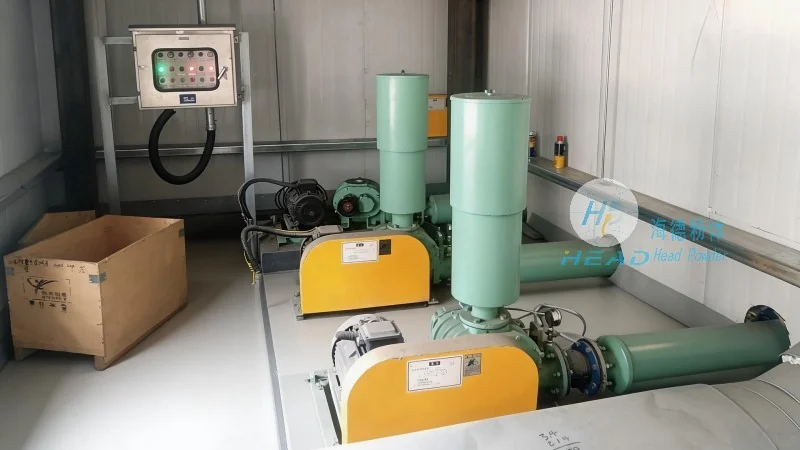
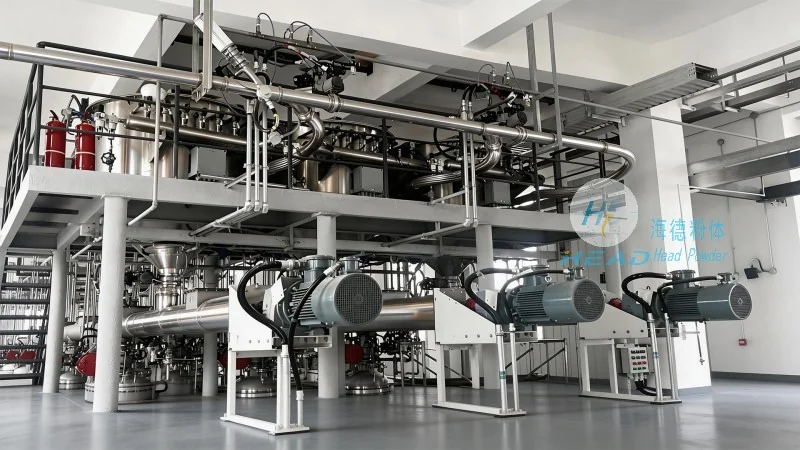
Dry powder material pneumatic conveying systems operate by using compressed air or other gas to transport bulk dry powders from one location to another. The core mechanism involves creating a pressure differential between the source and destination points. Typically, the system consists of a hopper or storage tank where the powder is loaded, a conveying line (often made of metal or flexible tubing), and a receiver or discharge point. The process begins when the powder is introduced into the conveying line under the pressure of the moving air. The air, flowing at a high velocity, entrains the powder particles, forming a slurry-like mixture known as a "pneumatic stream." This stream travels through the pipeline to the receiving vessel, where the air is separated from the powder and either recycled or vented. The key to efficient operation lies in maintaining the appropriate air-to-powder ratio and velocity to ensure that the powder is fully entrained without excessive pressure drop or particle degradation.
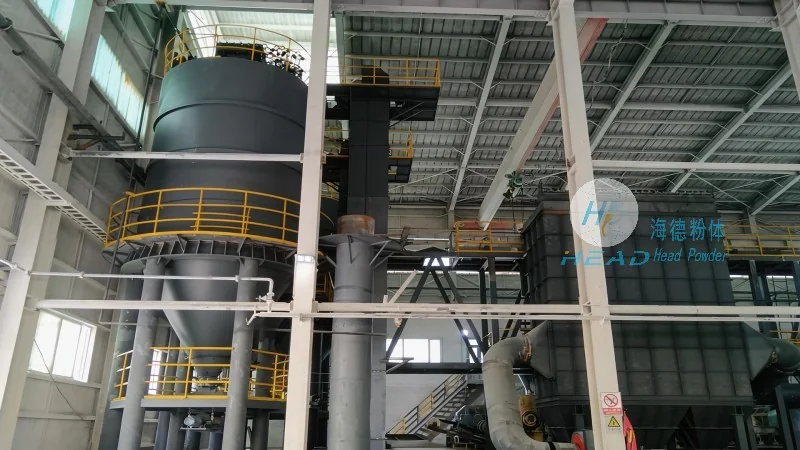
Several distinct characteristics define the performance and suitability of pneumatic conveying systems for dry powder applications. Firstly, versatility is a major advantage, as these systems can handle a wide range of powder types, including fine powders, granules, and even bulk materials, without the need for additional processing steps. Secondly, hygienic design is often incorporated, making them suitable for industries such as food, pharmaceuticals, and chemicals where contamination control is critical. The systems can be constructed with smooth, easy-to-clean surfaces and sealed components to prevent dust leakage. Thirdly, flexibility in layout is another key feature, as the conveying lines can be arranged in various configurations—horizontal, vertical, or a combination of both—to accommodate different plant layouts and space constraints. This adaptability allows for efficient integration into existing production lines. Fourthly, energy efficiency is achieved through optimized air flow management and the use of energy recovery systems, reducing operational costs. Finally, low maintenance requirements are typical, as the systems have fewer moving parts compared to mechanical conveying methods, leading to longer service life and reduced downtime.
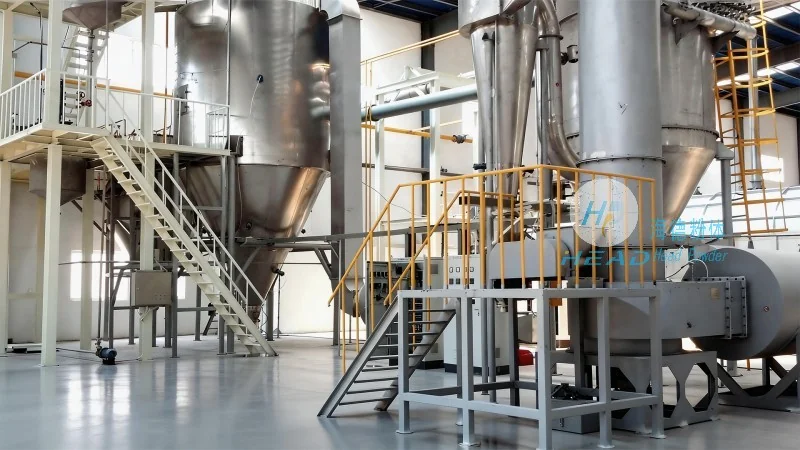
While the general principles and characteristics apply broadly, specific applications may require adjustments to the system design. For instance, in high-purity industries like pharmaceuticals, the system may include additional filtration and air purification stages to ensure that the conveyed powder meets stringent quality standards. In contrast, for bulk material handling in mining or construction, the focus may be on durability and the ability to handle abrasive powders without premature wear. The choice of conveying velocity and pressure also plays a critical role in determining the system's capacity and efficiency. Higher velocities can increase throughput but may lead to higher energy consumption and potential particle degradation, while lower velocities may reduce wear but limit the system's capacity. Therefore, selecting the appropriate air-to-powder ratio and pressure is essential for optimizing performance.

 Shandong Headpowder Engineering Co., Ltd.
 156-6277-7102(Manager Zhang)
  0531-83386006
  Zhangqiu District, Jinan City, Shandong Province, China
telephone
WeChatconsult
top