With more than 10‑year industry experience, Shandong Headpowder delivers full‑service pneumatic‑conveying systems and blowers, undertaking nationwide turn‑key powder‑handling projects.
PP material conveying equipment is a critical component in various industrial processes, particularly in the plastic and chemical sectors. These systems are designed to efficiently transport polypropylene (PP) materials from one location to another, ensuring smooth workflow and operational efficiency. The equipment is engineered to handle the unique properties of PP, such as its lightweight, high strength, and resistance to chemicals, making it suitable for a wide range of applications.
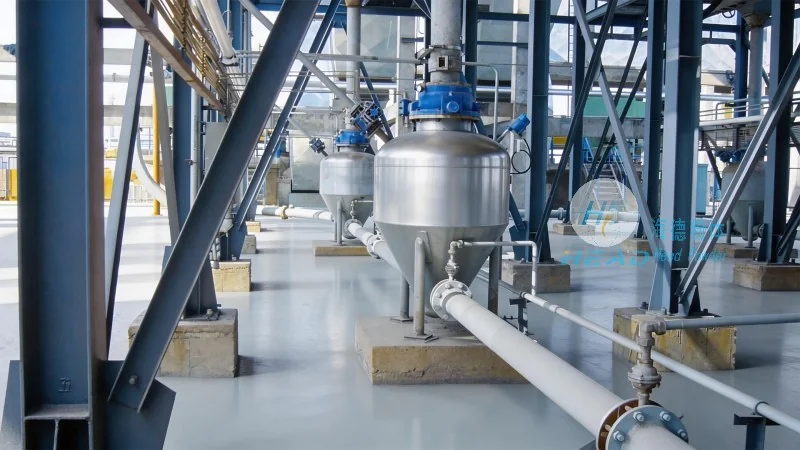
PP material conveying equipment, also known as polypropylene handling systems, plays a vital role in modern manufacturing and processing facilities. These devices are specifically designed to manage the transportation of PP pellets, powders, or granules, which are commonly used in the production of plastic products, packaging materials, and automotive components. The equipment is essential for maintaining consistent material flow, reducing downtime, and enhancing overall productivity in industrial settings.
The working principle of PP material conveying equipment typically involves a combination of mechanical components and control systems. The primary mechanism often includes a conveyor system, such as a screw conveyor or a belt conveyor, which moves the PP material through the system. The screw conveyor, for instance, uses a rotating helical screw to push the material forward, while the belt conveyor relies on a moving belt to transport the material. In addition to the conveyor, the system may incorporate a feeding mechanism, such as a hopper or a feeder, to regulate the flow of material into the conveyor. The control system, which may include sensors and a motor controller, ensures that the equipment operates at optimal speed and pressure, adapting to the characteristics of the PP material being handled.
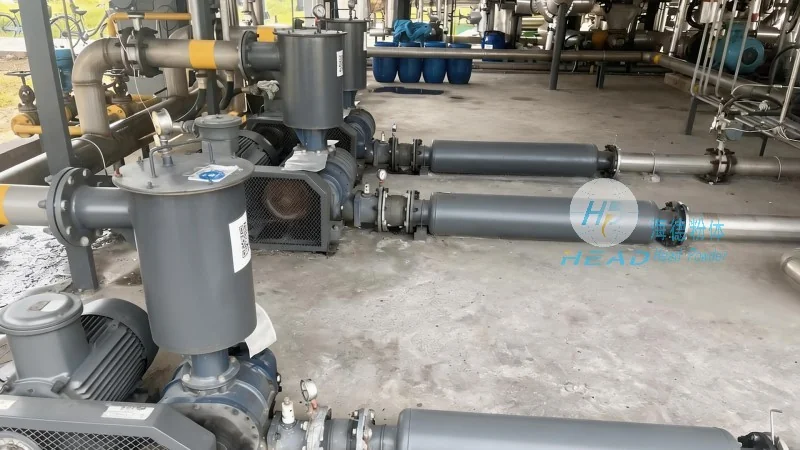
PP material conveying equipment is characterized by several key features that enhance its performance and reliability. One of the most notable features is its high efficiency in material transport, which minimizes the time required to move PP materials from storage to processing areas. The equipment is also designed with durability in mind, using materials that can withstand the abrasive nature of PP and the harsh conditions of industrial environments. This includes the use of corrosion-resistant components and wear-resistant parts, ensuring long-term operation with minimal maintenance. Another important feature is the ease of maintenance, as many models are equipped with accessible components and simple control panels, allowing for quick repairs and adjustments. Additionally, the equipment is often equipped with safety features, such as emergency stop buttons and overload protection, to ensure safe operation and prevent accidents.
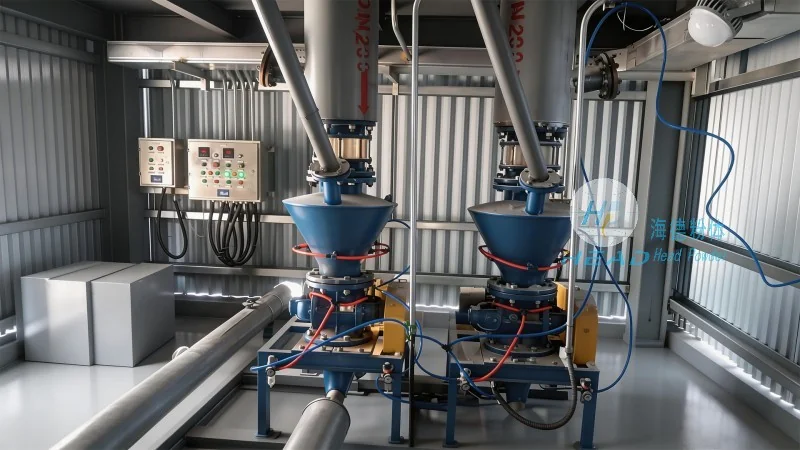
The technical specifications of PP material conveying equipment vary depending on the specific application and the volume of material to be transported. Common specifications include the conveyor capacity, which can range from a few kilograms per hour to several tons per hour, depending on the system size. The speed of the conveyor is another critical parameter, typically adjustable to match the processing requirements of the downstream equipment. The equipment may also feature adjustable feed rates, allowing for precise control over the amount of material being conveyed. In terms of performance, PP material conveying equipment is designed to maintain a consistent flow rate, minimizing variations that could affect the quality of the final product. The system is also capable of handling different forms of PP, including pellets, powders, and granules, without causing degradation or contamination.
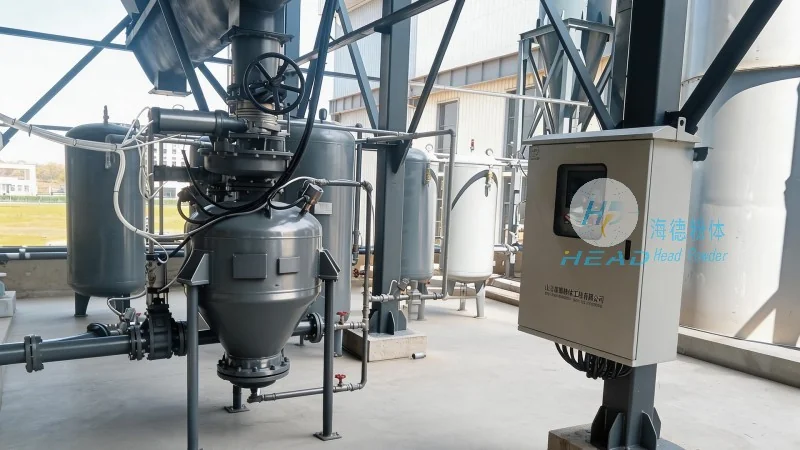
PP material conveying equipment is widely used in various industries, including plastic manufacturing, chemical processing, and food processing. In plastic manufacturing, these systems are essential for transporting PP pellets to extrusion or injection molding machines, ensuring a steady supply of raw material. In chemical processing, the equipment is used to move PP powders or granules through mixing and processing lines, facilitating the production of plastic compounds and additives. The benefits of using PP material conveying equipment in these applications include improved production efficiency, reduced labor costs, and enhanced product quality. By maintaining a consistent material flow, the equipment helps to minimize waste and prevent bottlenecks in the production process, leading to higher overall productivity.
For professional solutions in PP material conveying equipment, Shandong HeadPowder Engineering Co., Ltd. offers high-quality products and services. HeadPowder, a leading manufacturer in the field, specializes in designing and manufacturing customized conveying systems tailored to the specific needs of clients. With a strong commitment to quality and innovation, the company provides reliable equipment that meets the highest industry standards. The company is located in Shandong, China, and serves clients globally with its expertise in material handling technology. For inquiries or further information, please contact HeadPowder directly.

 Shandong Headpowder Engineering Co., Ltd.
 156-6277-7102(Manager Zhang)
  0531-83386006
  Zhangqiu District, Jinan City, Shandong Province, China
telephone
WeChatconsult
top