

Working Principle and Characteristics of Gypsum Powder Pneumatic Conveying
Gypsum powder is a widely used industrial material, and its efficient handling is crucial for various manufacturing processes. Pneumatic conveying systems have emerged as a reliable method for transporting gypsum powder from one location to another, offering several advantages over traditional methods. This article explores the working principle and key characteristics of gypsum powder pneumatic conveying, providing insights into how these systems operate and their benefits in industrial applications.
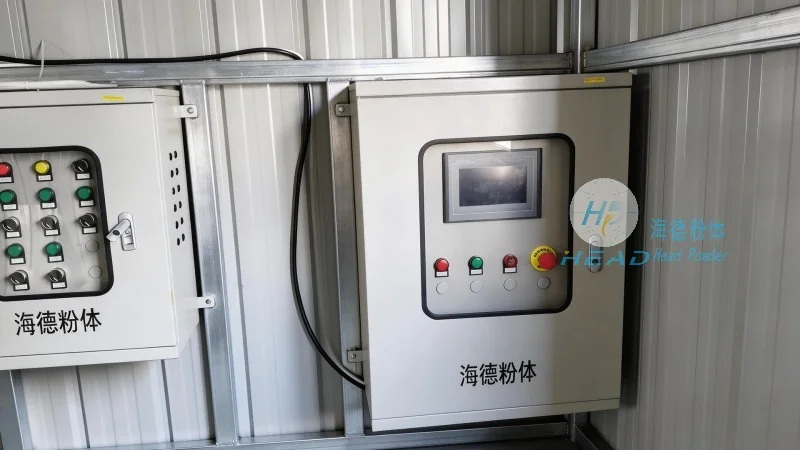
The Working Principle of Gypsum Powder Pneumatic Conveying
Gypsum powder pneumatic conveying relies on the movement of air to transport the material through a pipeline system. The process typically involves several key components, each playing a critical role in the overall operation. At the start of the system, a feeder device, such as a rotary valve or a screw feeder, introduces the gypsum powder into the pipeline. This feeder ensures a consistent and controlled flow of material, preventing blockages and maintaining system efficiency. Once the powder is introduced, a fan or blower generates the necessary air pressure to move the material through the pipeline. The air, combined with the powder, forms a mixture known as a "slurry" or "conveying stream," which travels through the pipeline to the destination point.
As the mixture moves through the pipeline, it may encounter various components, including bends, elbows, and filters. These components are designed to maintain the flow of the material and prevent the accumulation of dust or blockages. At the end of the pipeline, a separator or cyclone is used to separate the gypsum powder from the air. The separator uses centrifugal force to separate the heavier powder particles from the lighter air, allowing the powder to be collected in a hopper or storage bin. The air, now clean, is either vented to the atmosphere or recirculated back into the system, depending on the design of the conveying system.
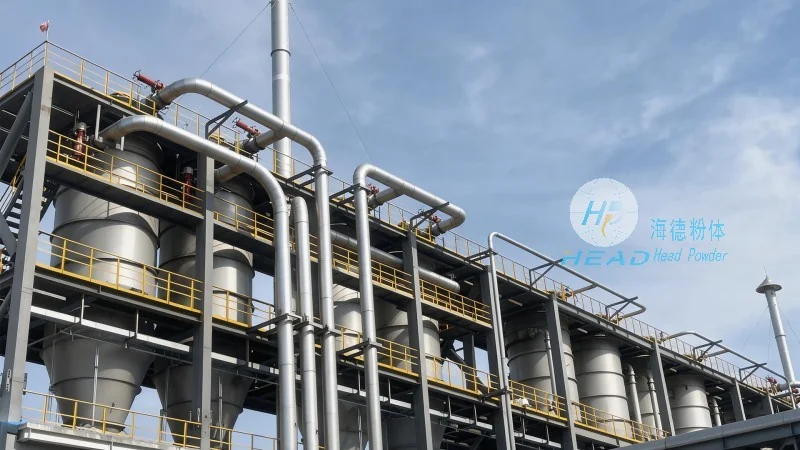
Key Characteristics of Gypsum Powder Pneumatic Conveying
Several distinct characteristics make gypsum powder pneumatic conveying an attractive option for industrial applications. One of the primary advantages is its ability to handle fine powders, which are often difficult to transport using traditional methods like belt conveyors or bucket elevators. The air flow in the system helps to keep the powder suspended, preventing caking or agglomeration that can occur with other handling methods. This results in a more consistent and reliable flow of material, reducing downtime and maintenance costs.
Another key characteristic is the system's flexibility. Pneumatic conveying systems can be designed to handle a wide range of material types and flow rates, making them suitable for various industrial settings. The ability to adjust the air pressure and flow rate allows for customization to meet specific operational requirements. Additionally, these systems can be integrated with other equipment, such as mixers or processing units, to create a seamless workflow in manufacturing processes.
Efficiency is another significant characteristic of gypsum powder pneumatic conveying. By using air to transport the material, the system eliminates the need for mechanical components like rollers or chains, which can wear out over time and require frequent maintenance. This reduces operational costs and increases the overall lifespan of the conveying system. Furthermore, the system's compact design allows for installation in spaces where traditional conveyors may not fit, making it a versatile solution for industrial facilities.
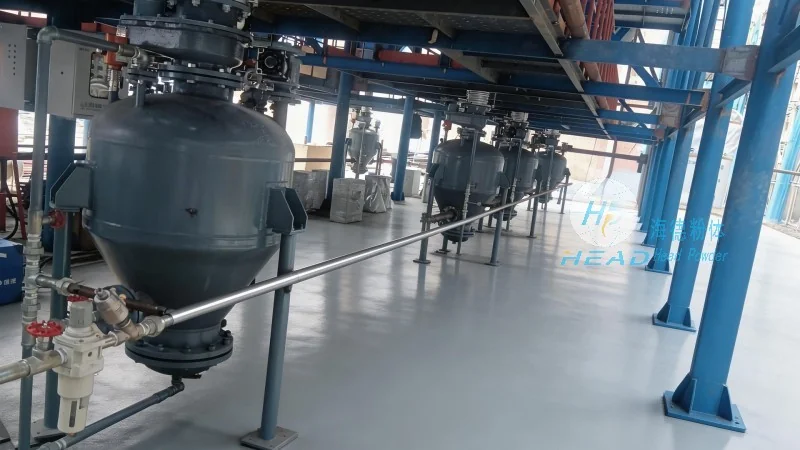
Company Overview: Shandong HeadPowder Engineering Co., Ltd.
Shandong HeadPowder Engineering Co., Ltd., commonly known as HeadPowder, is a leading provider of pneumatic conveying solutions for industrial applications. With years of experience in the industry, the company specializes in designing and manufacturing high-quality systems tailored to the unique needs of its clients. HeadPowder's expertise lies in understanding the specific challenges of handling gypsum powder and developing customized solutions that enhance operational efficiency and reduce costs. The company's commitment to innovation and quality has made it a trusted partner for businesses in various sectors, including construction, manufacturing, and chemical processing.
HeadPowder's team of engineers and technicians work closely with clients to assess their material handling requirements and recommend the most suitable pneumatic conveying system. Whether it's a new installation or an upgrade to an existing system, the company provides comprehensive support, from design and manufacturing to installation and maintenance. By leveraging advanced technology and industry best practices, HeadPowder ensures that its systems deliver optimal performance and reliability, helping clients achieve their production goals while minimizing downtime and operational expenses.
Application and Advantages in Industrial Settings
Gypsum powder pneumatic conveying is widely used in various industrial settings, including the production of gypsum board, cement, and other building materials. In these applications, the system plays a critical role in transporting raw gypsum powder from storage to processing units, ensuring a steady supply of material for production. The advantages of this system are particularly evident in high-volume production environments, where efficiency and reliability are paramount. By using pneumatic conveying, manufacturers can achieve faster material transport times, reduce labor costs, and improve overall productivity.
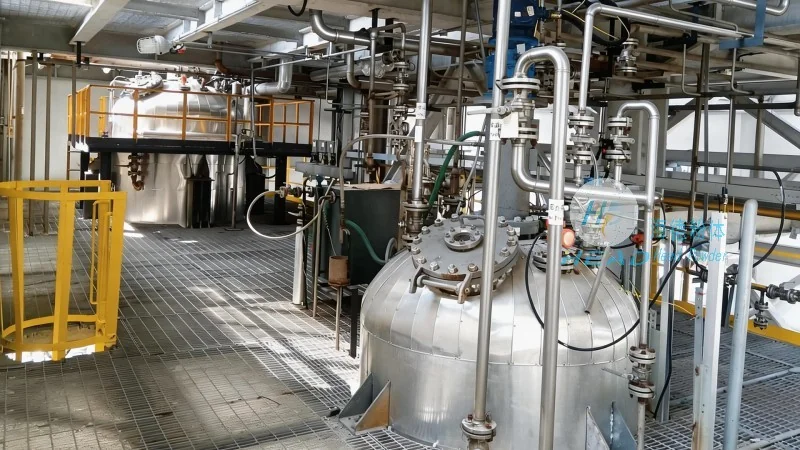
Furthermore, the system's ability to handle fine powders without caking or agglomeration is beneficial in applications where the quality of the material is critical. For example, in the production of gypsum board, the consistency of the powder is essential for achieving uniform board quality. Pneumatic conveying systems help maintain this consistency by preventing the powder from settling or clumping during transport. This results in higher product quality and reduced waste, which are important factors for businesses looking to improve their bottom line.
In conclusion, gypsum powder pneumatic conveying is a highly effective method for transporting gypsum powder in industrial settings. The working principle, which relies on air movement and specialized components, ensures efficient and reliable material handling. The key characteristics of this system, including its ability to handle fine powders, flexibility, and efficiency, make it a preferred choice for many industries. With the expertise of companies like Shandong HeadPowder Engineering Co., Ltd., businesses can access advanced pneumatic conveying solutions that enhance their operational performance and contribute to their long-term success.