

Working Principle and Characteristics of Water-Containing Powder Pneumatic Conveying
Water-containing powder pneumatic conveying is a specialized technology used in material handling, particularly for transporting powders that are difficult to handle due to their properties like dustiness, hygroscopicity, or tendency to agglomerate. This method combines the advantages of traditional pneumatic conveying with the moisture content of the powder to enhance handling efficiency and environmental safety. The following sections will delve into the working principle and key characteristics of this system, with a focus on the expertise of Shandong HeadPowder Engineering Co., Ltd., a leading provider in the field.
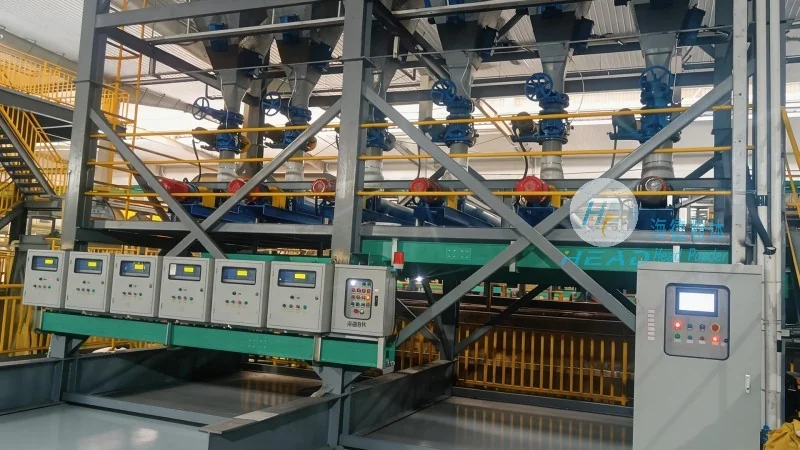
Company Introduction: Shandong HeadPowder Engineering Co., Ltd.
Shandong HeadPowder Engineering Co., Ltd., commonly known as HeadPowder, is a professional enterprise specializing in the research, development, and manufacturing of pneumatic conveying systems. HeadPowder is headquartered in Shandong, China, and has established a strong reputation for delivering high-quality, reliable solutions tailored to the needs of various industries. The company's commitment to innovation and customer satisfaction has positioned it as a trusted partner for businesses seeking efficient and environmentally friendly powder handling solutions.
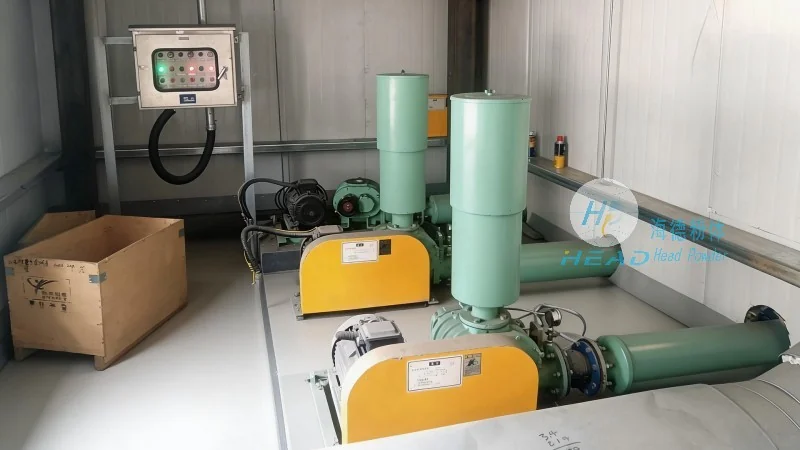
Working Principle of Water-Containing Powder Pneumatic Conveying
The core working principle of water-containing powder pneumatic conveying involves the use of compressed air to transport a mixture of powder and water through a pipeline system. The process begins with the preparation of the powder-water slurry, where the powder is thoroughly mixed with water to form a homogeneous mixture. This slurry is then fed into the conveying pipeline using a pump or other feeding equipment. Compressed air is introduced into the pipeline, creating a flow that propels the slurry forward. The air acts as the driving force, while the water helps to keep the powder particles suspended and prevents dust generation during transport. The system typically includes components such as a slurry pump, air compressor, pipeline network, and receiving equipment at the destination. The entire process is designed to ensure efficient and controlled movement of the powder, minimizing material loss and environmental impact.
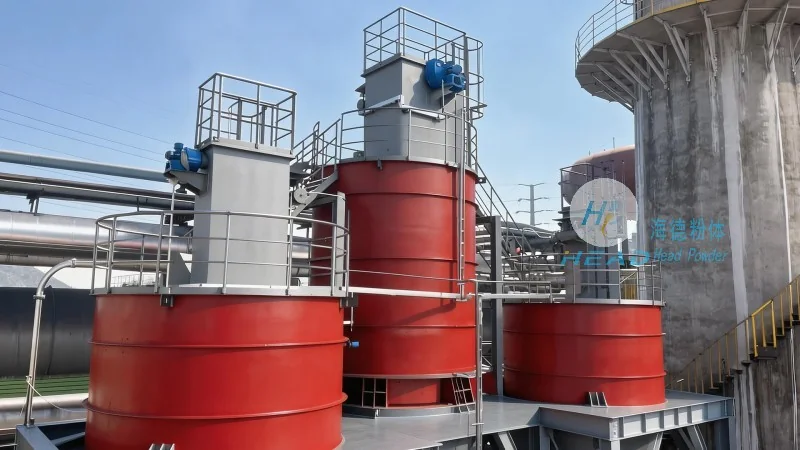
Key Characteristics of Water-Containing Powder Pneumatic Conveying
Water-containing powder pneumatic conveying systems exhibit several distinct characteristics that make them suitable for a wide range of applications. Firstly, the moisture content in the powder helps to control dust emissions, making the process more environmentally friendly compared to dry pneumatic conveying. This is particularly beneficial in industries where dust control is a regulatory requirement or a safety concern. Secondly, the system enhances the flowability of the powder, reducing the risk of blockages and ensuring consistent material transport. The water also acts as a lubricant, reducing friction between particles and the pipeline, which can improve the overall efficiency of the conveying process. Additionally, this method allows for the transportation of fine or cohesive powders that are otherwise challenging to handle using conventional methods. The characteristics of the system also include the ability to handle varying powder types and moisture levels, providing flexibility in application. Furthermore, the system can be integrated with other processing equipment, such as mixers or classifiers, to form a complete material handling solution. Overall, the water-containing powder pneumatic conveying system offers a balanced approach to efficiency, safety, and environmental compliance.
Advantages and Applications
The advantages of water-containing powder pneumatic conveying are evident in its ability to address the challenges associated with handling difficult-to-transport powders. The system is particularly advantageous in industries such as chemical, pharmaceutical, food, and mining, where the need for dust control and material integrity is critical. The use of water in the conveying process reduces the risk of product contamination and improves the quality of the final product. Additionally, the system can handle high volumes of material with minimal maintenance, making it a cost-effective solution for large-scale operations. The flexibility of the system allows it to be adapted to different production requirements, from small-scale laboratory applications to large industrial plants. The combination of efficiency and environmental benefits makes water-containing powder pneumatic conveying an attractive option for businesses looking to optimize their material handling processes. HeadPowder, with its expertise in this technology, offers customized solutions that cater to the specific needs of each client, ensuring optimal performance and reliability.
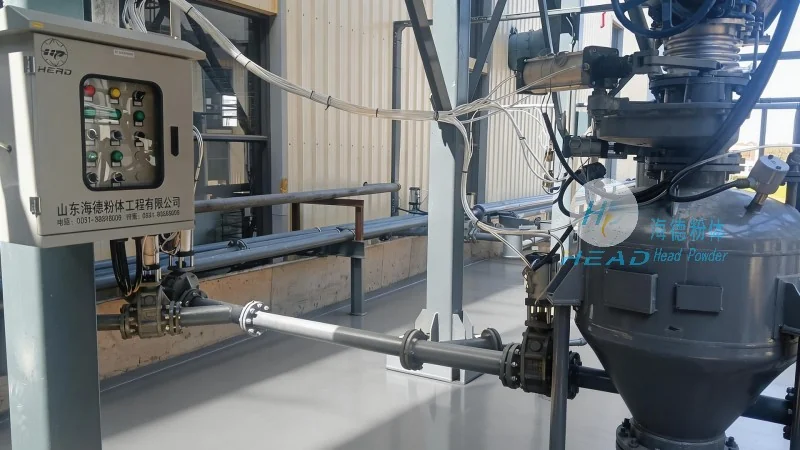
Conclusion
In conclusion, water-containing powder pneumatic conveying is a sophisticated and effective method for transporting powders, leveraging the properties of water to enhance handling efficiency and environmental safety. The working principle, which involves the use of compressed air to transport a powder-water slurry, is designed to address the challenges of dust generation and material flowability. The key characteristics of this system, including dust control, improved flowability, and flexibility, make it suitable for a wide range of industrial applications. Shandong HeadPowder Engineering Co., Ltd. plays a significant role in advancing this technology, providing high-quality systems that meet the demands of modern industries. As businesses continue to seek sustainable and efficient material handling solutions, water-containing powder pneumatic conveying remains a viable and increasingly popular choice.