

What is a Clay Powder Pneumatic Conveying Machine? What is its Design Principle?
Clay powder pneumatic conveying machines are specialized industrial equipment designed for the efficient transportation of clay powder and similar fine particulate materials. As a key component in material handling systems, these machines utilize air pressure or vacuum to move powders through pipelines, offering a dust-free and flexible solution for various industrial applications. The technology behind these machines is rooted in pneumatic conveying principles, which have been refined over decades to handle materials like clay powder with precision and reliability.
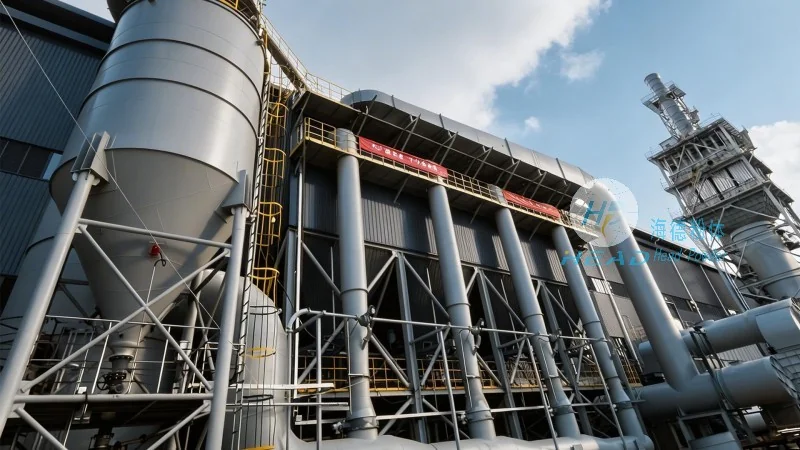
Company Overview: Shandong HeadPowder Engineering Co., Ltd.
HeadPowder, a leading manufacturer in the field of material handling equipment, specializes in the design, development, and production of pneumatic conveying systems. With a strong focus on quality and innovation, the company has established itself as a trusted partner for industries requiring efficient and reliable powder transport solutions. HeadPowder's expertise lies in tailoring pneumatic conveying machines to meet the specific needs of clients, ensuring optimal performance and durability in demanding operational environments. The company's headquarters is located in Shandong, China, where it maintains state-of-the-art manufacturing facilities and a dedicated research and development team.
Design Principles of Clay Powder Pneumatic Conveying Machines
The design of clay powder pneumatic conveying machines is based on fundamental principles of fluid dynamics and material handling. The core mechanism involves creating a flow of air through a pipeline, which is either pressurized or vacuum-induced, to transport the clay powder. The key components of such a system typically include a feeding device, a conveying pipeline, a separation unit, and a discharge mechanism. The feeding device ensures that the clay powder is introduced into the pipeline in a controlled manner, preventing blockages and maintaining consistent flow rates. The conveying pipeline is designed with smooth internal surfaces to minimize friction and particle degradation, while the separation unit, often a cyclone or filter, separates the air from the powder at the end of the pipeline, allowing the powder to be collected and the air to be discharged or recycled. The discharge mechanism ensures that the clay powder is delivered to the intended destination without loss or contamination.
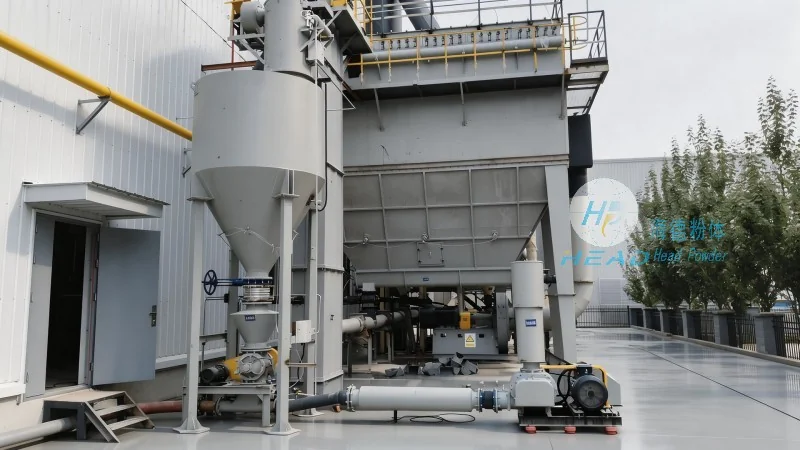
Key Features and Advantages of Clay Powder Pneumatic Conveying Machines
Clay powder pneumatic conveying machines offer several advantages over traditional mechanical conveying methods. One of the primary benefits is the ability to transport powders in a dust-free environment, which is crucial for maintaining product quality and ensuring workplace safety. The flexible pipeline system allows for easy integration into existing production lines or for reconfiguration to accommodate changes in material flow requirements. Additionally, these machines can handle a wide range of particle sizes and moisture contents, making them suitable for various clay powder applications. The design also minimizes material degradation, as the particles are not subjected to excessive friction or impact during transport. Another significant advantage is the reduced need for maintenance compared to mechanical systems, as there are fewer moving parts and less wear and tear. This leads to lower operational costs and increased system reliability over time.
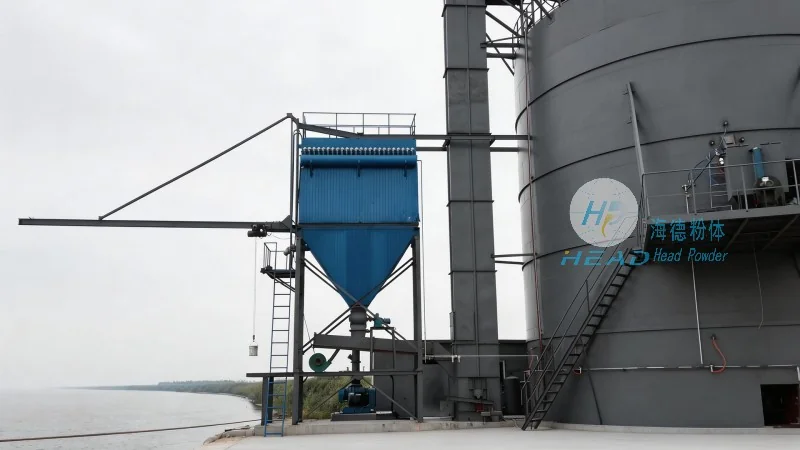
Applications in Industrial Settings
Clay powder pneumatic conveying machines are widely used in industries that rely on the handling of fine particulate materials. In the ceramics and pottery industry, these machines are essential for transporting clay powders from storage to processing equipment, ensuring a consistent supply of raw material. The pharmaceutical industry also benefits from these systems, as they provide a hygienic and dust-free method for handling clay powders used in various formulations. Additionally, in the construction materials sector, clay powder pneumatic conveying machines are used for transporting raw materials to production lines, contributing to efficient manufacturing processes. The versatility of these machines makes them suitable for a broad range of applications, from small-scale operations to large industrial plants.
Conclusion
Clay powder pneumatic conveying machines represent a sophisticated solution for the efficient and reliable transport of clay powder and similar fine materials. With their design based on proven pneumatic conveying principles and manufactured by experienced companies like Shandong HeadPowder Engineering Co., Ltd., these machines offer significant advantages in terms of dust control, flexibility, and operational efficiency. As industries continue to demand higher standards of material handling, the importance of such equipment will only grow, making it a critical component in modern industrial operations.