With more than 10‑year industry experience, Shandong Headpowder delivers full‑service pneumatic‑conveying systems and blowers, undertaking nationwide turn‑key powder‑handling projects.
For those in the construction and material handling industries, understanding the technology behind efficient sand and gravel powder conveying is crucial. A sand and gravel powder conveying machine, also known as a bulk material conveyor, is a specialized piece of equipment designed to transport dry, granular materials like sand, gravel, and other fine powders over long distances with minimal loss and high efficiency. This equipment is essential in various applications, from mining and quarry operations to concrete production and construction sites, where reliable material transport is vital for productivity and cost-effectiveness.
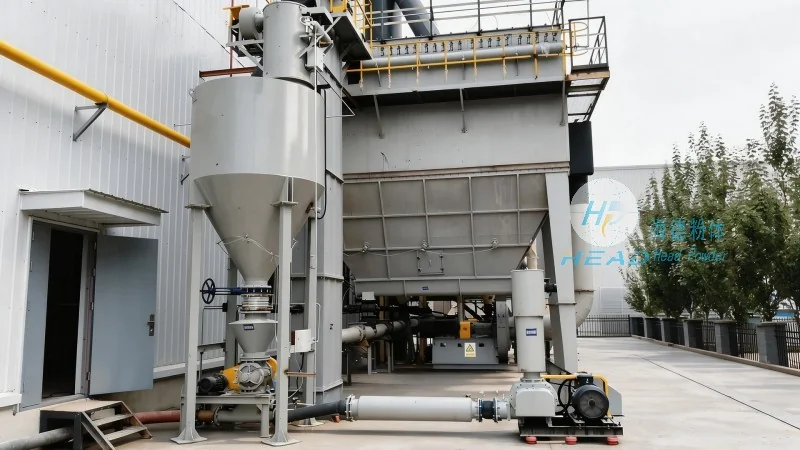
At Shandong HeadPowder Engineering Co., Ltd., we specialize in manufacturing high-quality sand and gravel powder conveying machines tailored to meet the diverse needs of our clients. With our headquarters located in Shandong, China, our company has built a strong reputation for delivering robust, reliable, and efficient conveying systems that enhance operational performance in material handling processes. Our team of engineers and technicians leverages years of experience to design and develop equipment that meets industry standards while ensuring durability and longevity.
The design of a sand and gravel powder conveying machine is built on several key principles that ensure optimal performance. One of the primary considerations is the material's characteristics—such as particle size, density, and flowability—which directly impact the choice of conveyor type. For instance, screw conveyors are ideal for handling fine powders and granular materials due to their ability to maintain a consistent flow and prevent material buildup. Belt conveyors, on the other hand, are suitable for transporting larger aggregates and bulk materials over longer distances with high capacity. The selection of the appropriate conveyor design depends on factors like the material's properties, the required conveying distance, and the desired throughput rate.
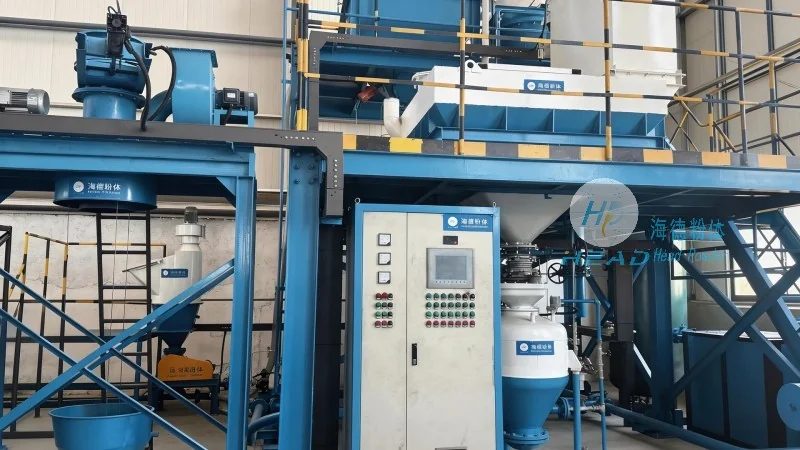
Another critical design principle is the need for effective material handling and minimal product degradation. Sand and gravel powders are often sensitive to moisture and temperature changes, which can affect their quality and usability. Therefore, conveying systems are designed with features like sealed enclosures, temperature control mechanisms, and anti-corrosion materials to protect the material during transport. Additionally, the machine's power transmission system, including motors and drives, is engineered to provide consistent and adjustable speed control, allowing operators to optimize the conveying process based on real-time operational needs.
A sand and gravel powder conveying machine comprises several essential components that work in harmony to ensure efficient material transport. The primary components include the feeding mechanism, the conveyor body, the drive system, and the control system. The feeding mechanism, often a hopper or a rotary valve, is responsible for introducing the material into the conveyor at a controlled rate, preventing overloading and ensuring a steady flow. The conveyor body, which can be a screw, belt, or pneumatic system, is the core of the machine, responsible for moving the material along the designated path. The drive system, typically an electric motor coupled with a gearbox or variable frequency drive (VFD), provides the necessary power to rotate the conveyor components and maintain the desired speed. The control system, which may include sensors, controllers, and monitoring devices, allows operators to adjust the conveying parameters, monitor the system's performance, and detect any anomalies or malfunctions.
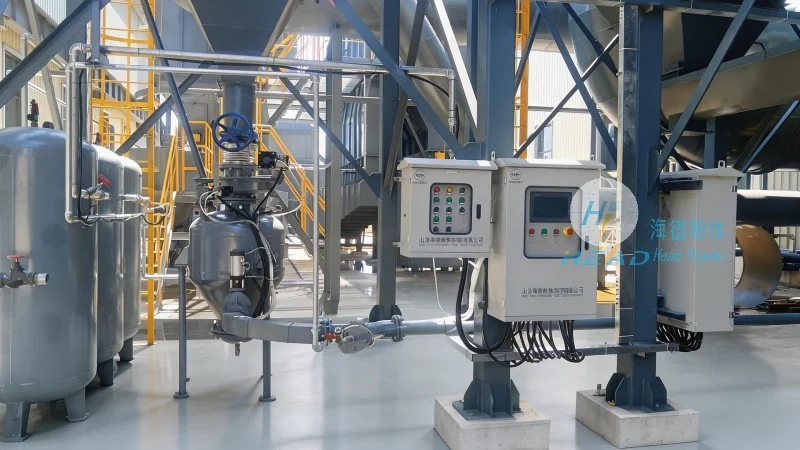
Implementing a sand and gravel powder conveying machine offers numerous advantages that contribute to improved operational efficiency and cost savings. One of the most significant benefits is the ability to transport materials over long distances without the need for manual handling or intermediate storage. This reduces labor costs, minimizes material loss, and enhances safety by eliminating the need for workers to handle heavy or dusty materials. Additionally, the automated nature of the conveying system allows for consistent and reliable material delivery, which is critical for maintaining production schedules and meeting quality standards. The equipment's ability to handle various material types and adjust to different operational conditions makes it a versatile solution for diverse industrial applications.
Sand and gravel powder conveying machines are widely used across various industries due to their adaptability and efficiency. In the mining and quarry sector, these machines are essential for transporting raw materials from extraction sites to processing facilities, ensuring a continuous supply of aggregates for concrete production. The construction industry relies on them to move sand, gravel, and other materials to job sites, facilitating the efficient construction of buildings, roads, and infrastructure projects. The concrete manufacturing industry benefits from the consistent delivery of raw materials, which helps maintain the quality and consistency of concrete mixes. Additionally, in the recycling and waste management sectors, these conveying systems are used to transport recycled aggregates and other materials, supporting sustainable practices and reducing environmental impact.
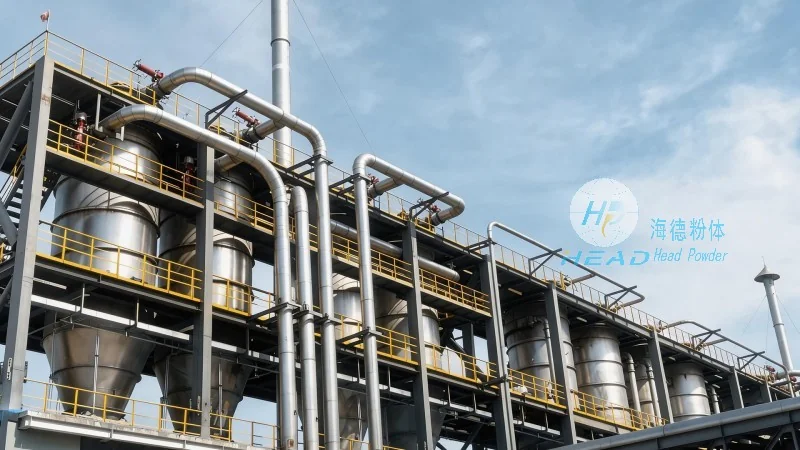
To ensure the longevity and optimal performance of a sand and gravel powder conveying machine, regular maintenance and proper operational practices are essential. Routine checks should include inspecting the conveyor components for wear and tear, checking the tightness of bolts and connections, and verifying the proper functioning of the drive system and control mechanisms. Lubrication of moving parts, such as bearings and gears, is also crucial to prevent friction and overheating, which can lead to equipment failure. Additionally, cleaning the conveyor system regularly, especially after handling dusty or abrasive materials, helps maintain efficiency and prevent clogging. Operators should also monitor the material flow and adjust the conveying speed as needed to avoid overloading or underloading the system. By following these maintenance guidelines, users can maximize the equipment's lifespan and minimize downtime, ensuring consistent and reliable material transport.
In conclusion, a sand and gravel powder conveying machine is a vital piece of equipment in the material handling industry, designed to efficiently transport dry, granular materials while maintaining quality and minimizing losses. The design principles, components, and operational considerations of these machines are carefully engineered to meet the demands of various applications, ensuring high performance and reliability. At Shandong HeadPowder Engineering Co., Ltd., we are committed to providing top-tier conveying solutions that enhance operational efficiency and support the success of our clients in the construction and material handling sectors. By leveraging our expertise and innovative designs, we help industries achieve their goals with reliable, efficient, and durable sand and gravel powder conveying machines.

 Shandong Headpowder Engineering Co., Ltd.
 156-6277-7102(Manager Zhang)
  0531-83386006
  Zhangqiu District, Jinan City, Shandong Province, China
telephone
WeChatconsult
top