With more than 10‑year industry experience, Shandong Headpowder delivers full‑service pneumatic‑conveying systems and blowers, undertaking nationwide turn‑key powder‑handling projects.
Low-pressure continuous powder conveyors are specialized industrial equipment designed to transport bulk powders and granular materials efficiently and safely. These systems are widely used in various industries, including pharmaceuticals, food processing, chemicals, and minerals, where the handling of fine or abrasive powders requires precise control and minimal product degradation. The primary goal of such conveyors is to move materials from one location to another without the need for high-pressure air or mechanical components that could cause particle breakdown or contamination.
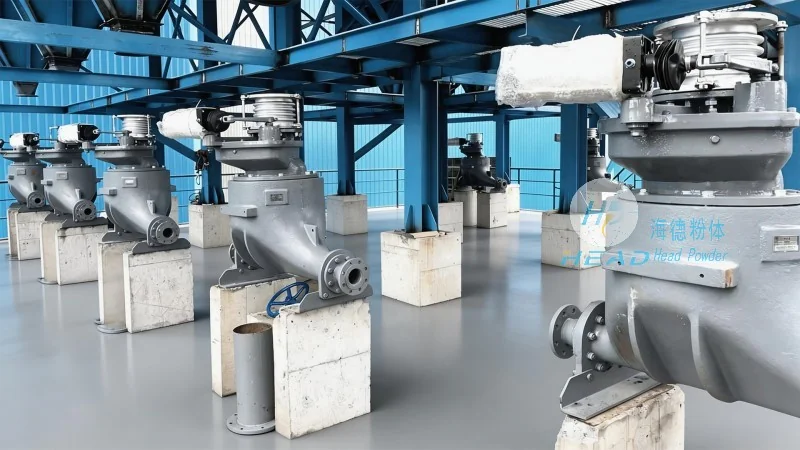
The fundamental operation of a low-pressure continuous powder conveyor involves the use of a low-pressure air system to create a gentle, consistent flow of material through a sealed pipeline. Unlike high-pressure systems that rely on forceful air pressure to push materials, low-pressure conveyors utilize a slight positive pressure (typically between 0.5 to 2 bar) to maintain a steady stream of material. This approach minimizes the risk of particle attrition, ensures product integrity, and reduces the likelihood of dust emissions, making it suitable for applications where product quality and environmental compliance are critical.
The design of low-pressure continuous powder conveyors is centered on several key principles that ensure optimal performance and reliability. First, the system must maintain a consistent air flow rate to prevent material bridging or clogging in the pipeline. This is achieved through the use of airlocks, rotary valves, or other metering devices that control the volume of material entering the conveyor. Second, the pipeline is typically constructed from materials that are compatible with the conveyed powders, such as stainless steel, PTFE, or food-grade plastics, to prevent contamination and ensure durability. Third, the system incorporates features like explosion-proof designs and dust collection systems to enhance safety and compliance with industrial regulations.
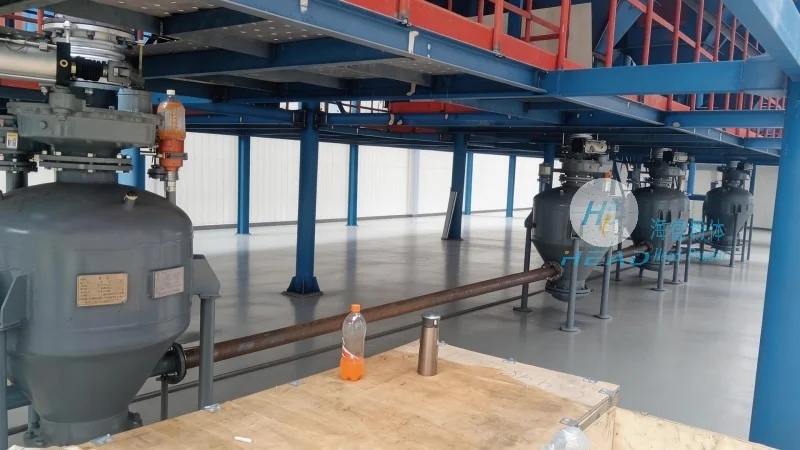
A typical low-pressure continuous powder conveyor consists of several key components that work in tandem to achieve efficient material transport. The main parts include a hopper or feeder that holds the bulk material, an air supply system that generates the low-pressure air, a pipeline network that transports the material, and a discharge unit that releases the material at the destination. The feeder, often equipped with a rotary valve or a screw feeder, controls the rate at which material is fed into the system. The low-pressure air is introduced into the pipeline, creating a positive pressure that lifts and moves the material along the path. The pipeline is usually arranged in a loop or a straight line, depending on the layout of the facility, and may include bends, elbows, and vertical sections that are designed to minimize pressure loss and prevent material accumulation.
Low-pressure continuous powder conveyors offer several advantages over traditional high-pressure or mechanical conveying systems. One of the most significant benefits is the reduced risk of product degradation. The gentle air flow minimizes particle attrition, preserving the physical and chemical properties of the material. This is particularly important for sensitive materials like pharmaceuticals, food ingredients, or fine chemicals where particle size and purity are critical. Another advantage is the lower energy consumption compared to high-pressure systems, as the air pressure required is significantly lower, resulting in cost savings over time. Additionally, low-pressure conveyors are more environmentally friendly, as they produce less dust and require less maintenance, contributing to a safer and more sustainable operation.
Low-pressure continuous powder conveyors are employed in a wide range of industries where the handling of bulk powders is essential. In the pharmaceutical industry, these systems are used to transport active pharmaceutical ingredients (APIs), excipients, and finished dosage forms with precision, ensuring that the product remains free from contamination and maintains its quality. In the food processing sector, they are used to handle ingredients like flour, sugar, and spices, maintaining the integrity of the food products and adhering to strict hygiene standards. The chemical industry utilizes low-pressure conveyors for transporting chemicals, powders, and granules, particularly in processes that require controlled material flow and minimal risk of explosion. Similarly, in the minerals and mining industry, these systems are used to transport raw materials like coal, ore, and limestone, improving efficiency and reducing the need for manual handling.
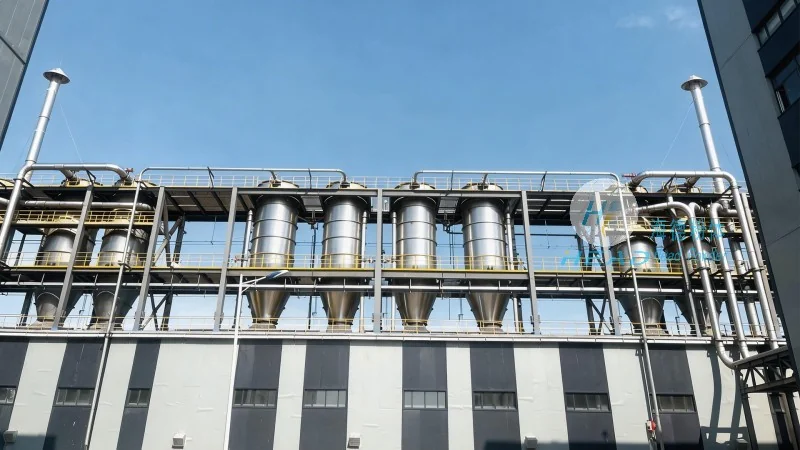
Shandong HeadPowder Engineering Co., Ltd., a leading manufacturer of industrial conveying equipment, offers customized low-pressure continuous powder conveyors tailored to the specific needs of each client. The company, commonly known as HeadPowder, provides solutions that integrate seamlessly with existing production lines and facilities. Their design team works closely with clients to understand their operational requirements, material characteristics, and space constraints, ensuring that the conveyor system is optimized for performance and reliability. The company’s products are designed to meet international standards and are equipped with features such as explosion-proof certifications, dust collection systems, and easy maintenance components, making them suitable for a variety of industrial applications.
In conclusion, low-pressure continuous powder conveyors are a vital component of modern industrial operations, providing efficient, safe, and reliable transport of bulk powders. The design principles behind these systems, including low-pressure air flow, material compatibility, and safety features, ensure that they meet the stringent requirements of various industries. As manufacturing processes continue to evolve, the demand for advanced conveying solutions that enhance productivity and product quality will only increase. Companies like Shandong HeadPowder Engineering Co., Ltd. play a crucial role in providing these solutions, helping businesses maintain competitiveness and meet the demands of a rapidly changing market.

 Shandong Headpowder Engineering Co., Ltd.
 156-6277-7102(Manager Zhang)
  0531-83386006
  Zhangqiu District, Jinan City, Shandong Province, China
telephone
WeChatconsult
top