With more than 10‑year industry experience, Shandong Headpowder delivers full‑service pneumatic‑conveying systems and blowers, undertaking nationwide turn‑key powder‑handling projects.
When it comes to industrial material handling, the metal granule material conveying line is a critical system designed to efficiently transport various metal granules or powders from one location to another within a manufacturing or processing facility. These lines are essential for maintaining smooth production workflows, ensuring consistent material flow, and enhancing overall operational efficiency. Understanding the components and design principles behind such systems is vital for industries that rely on the precise movement of metal-based materials, as exemplified by the expertise of companies like Shandong HeadPowder Engineering Co., Ltd., based in China.
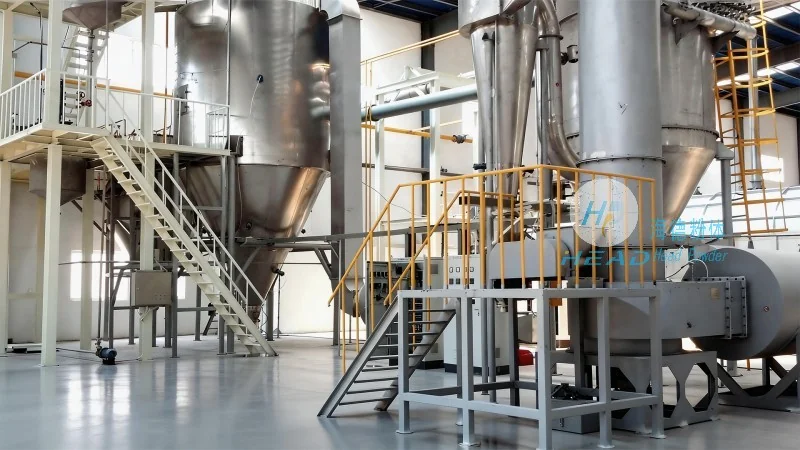
A metal granule material conveying line typically consists of several key components that work in tandem to move materials. These components may include feeders, conveyors (such as belt conveyors, screw conveyors, or pneumatic conveyors), control systems, and sometimes storage or processing units. The primary goal of this system is to handle metal granules, which can range from small metal powders to larger metal pellets, ensuring they are transported safely and efficiently without degradation or loss.
Each component of the metal granule material conveying line plays a specific role in the overall operation. The feeder is the first component, responsible for uniformly feeding the metal granules into the conveyor system. This ensures a consistent flow rate, preventing overloading or underloading of the conveyor. The conveyor itself is the core of the system, which can be selected based on the properties of the metal granules, such as size, density, and moisture content. For example, belt conveyors are commonly used for larger metal pellets, while screw conveyors are suitable for smaller powders or granules. Pneumatic conveyors, on the other hand, use air pressure to transport materials, making them ideal for handling fine metal powders that might be prone to dust or contamination.
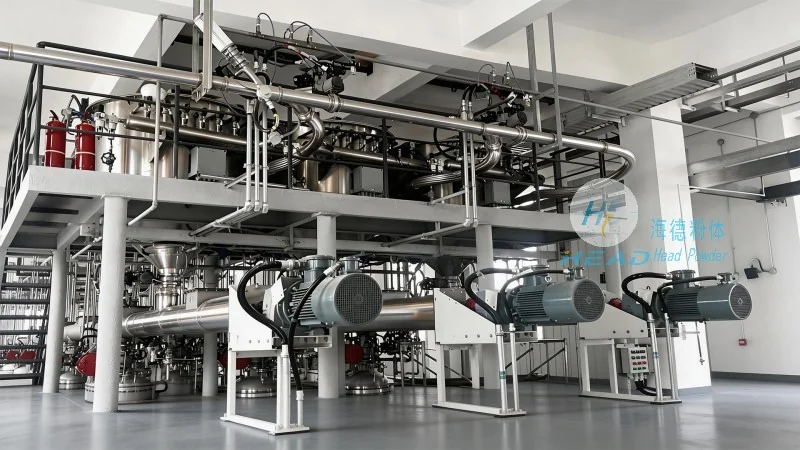
The design of a metal granule material conveying line is based on several fundamental principles to ensure optimal performance and reliability. One of the most critical principles is the consideration of material characteristics. Engineers must account for the physical properties of the metal granules, including their size distribution, density, and flowability. This information helps in selecting the appropriate conveyor type and ensuring that the system can handle the material without issues like clogging or segregation. Another key principle is the need for a balanced and consistent flow rate. The system must be designed to maintain a steady flow of material throughout the conveying process, which minimizes downtime and reduces the risk of material buildup or spillage.
Modern metal granule material conveying lines often incorporate advanced control systems and automation to enhance operational efficiency and safety. These systems may include sensors that monitor the flow rate, level of material in the hopper, and the status of the conveyor. By integrating these sensors with a control unit, the system can automatically adjust the speed of the conveyor or the feed rate based on real-time conditions. This not only improves the accuracy of material delivery but also reduces the risk of overloading or underloading, which can lead to equipment damage or production delays. Additionally, automation helps in maintaining consistent product quality by ensuring that the metal granules are transported under controlled conditions, minimizing the risk of contamination or degradation.
Ensuring safety and proper maintenance is essential when designing and operating a metal granule material conveying line. The system must be constructed with materials that are compatible with the metal granules being handled, preventing corrosion or chemical reactions. For example, if the metal granules are acidic or corrosive, the conveyor components may need to be made from stainless steel or other corrosion-resistant materials. Regular maintenance is also crucial to ensure the longevity and reliability of the system. This includes routine inspections of the conveyor belts, bearings, and control systems, as well as cleaning and lubrication of moving parts. By following a regular maintenance schedule, the risk of breakdowns and production interruptions can be significantly reduced.
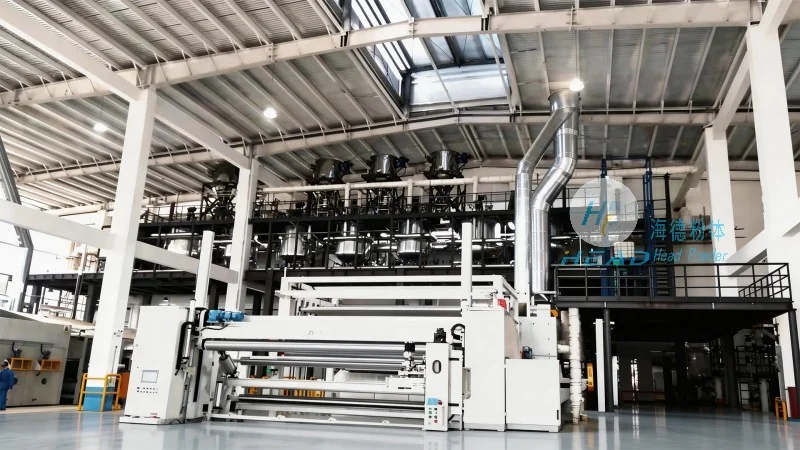
Metal granule material conveying lines are widely used in various industries that rely on the processing of metal-based materials. These include the metal powder industry, where fine metal powders are used in applications such as 3D printing, aerospace, and electronics manufacturing. The automotive industry also utilizes these systems for transporting metal pellets used in casting and molding processes. Additionally, the chemical and pharmaceutical industries may use similar systems for handling metal-based additives or catalysts. The versatility of these conveying lines makes them suitable for a wide range of applications, from small-scale laboratory operations to large-scale industrial production.
In conclusion, a metal granule material conveying line is a sophisticated system designed to efficiently transport metal granules or powders within industrial settings. The design principles, components, and control systems work together to ensure optimal performance, safety, and reliability. By understanding the key aspects of such systems, industries can improve their material handling processes, reduce costs, and enhance overall productivity. As technology continues to advance, these systems are likely to become even more efficient and automated, further improving their role in modern industrial operations.

 Shandong Headpowder Engineering Co., Ltd.
 156-6277-7102(Manager Zhang)
  0531-83386006
  Zhangqiu District, Jinan City, Shandong Province, China
telephone
WeChatconsult
top