With more than 10‑year industry experience, Shandong Headpowder delivers full‑service pneumatic‑conveying systems and blowers, undertaking nationwide turn‑key powder‑handling projects.
Mica sand, a natural mineral renowned for its unique optical and physical properties, serves as a vital raw material in industries such as coatings, ceramics, and cosmetics. The efficient transportation of mica sand is a critical component of industrial production processes, as it ensures consistent supply to processing units. A mica sand material conveying line is a specialized system engineered to handle the movement of mica sand from storage to processing stages. This article delves into the fundamental aspects of such a conveying line, exploring its design principles and key operational features.
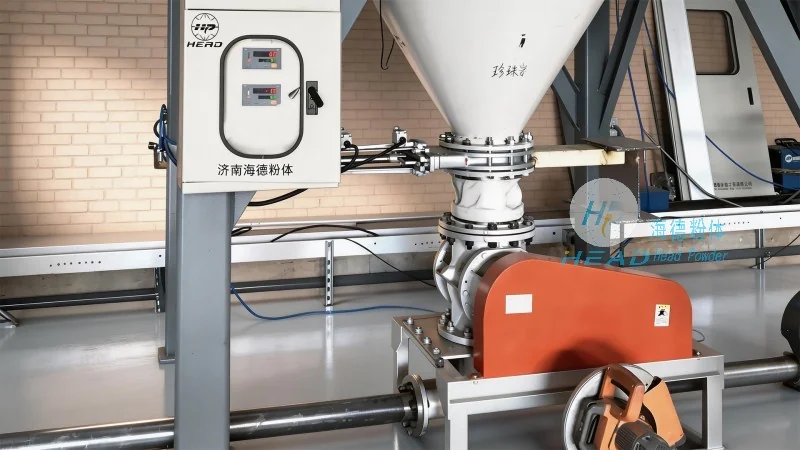
The design of a mica sand material conveying line is guided by several core principles to achieve optimal performance, safety, and efficiency. First, the system must accommodate the specific characteristics of mica sand, including its fine particle size and tendency to generate static electricity. Second, it aims to minimize material degradation and loss during transport, preserving the quality of the sand. Third, the design prioritizes integration with existing industrial workflows while adhering to safety regulations. Additional factors like space constraints, required flow rates, and ease of maintenance are also considered. By balancing these principles, engineers develop a conveying line that meets the operational demands of mica sand processing, ensuring reliability and productivity.
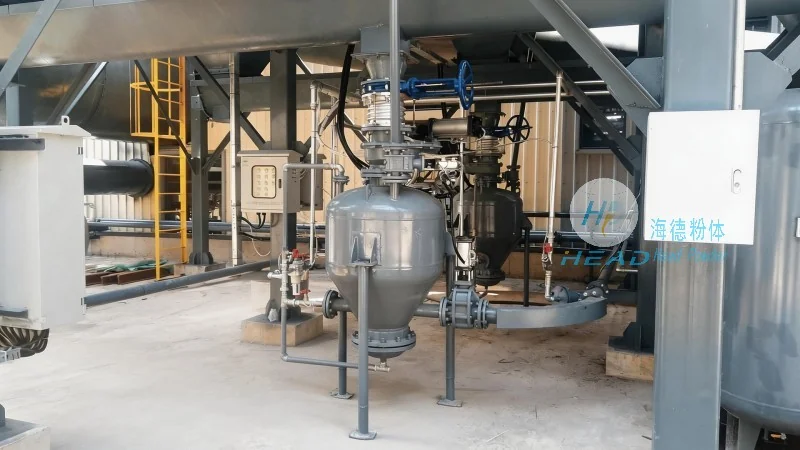
A typical mica sand material conveying line comprises interconnected components that work in unison to transport the material. The primary components include a hopper for material storage, a feeding device to regulate flow rate, a conveyor system (e.g., belt or screw conveyor) for movement, and a discharge mechanism to deliver the sand to subsequent processing equipment. The hopper is designed to prevent material buildup and maintain consistent feed. The feeding device, often a rotary valve or feeder, controls the amount of mica sand entering the conveyor. The conveyor system, constructed from abrasion- and corrosion-resistant materials, ensures smooth transport of fine particles. The discharge mechanism, such as a chute or rotary valve, directs the mica sand to processing units. Each component is carefully selected and integrated to create a cohesive system that maximizes efficiency and minimizes downtime.
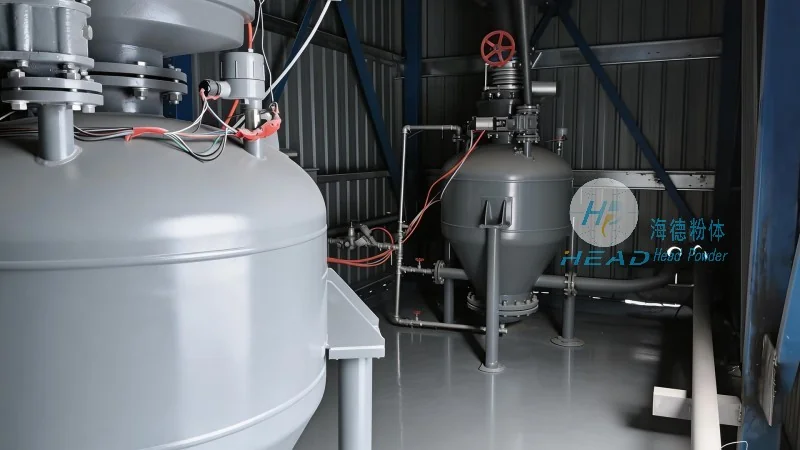
Mica sand material conveying lines are widely utilized in industrial settings where mica sand is a key raw material. These systems are commonly found in mica processing plants, transporting sand from mining sites to processing facilities. They are also integral to manufacturing plants that incorporate mica sand into products, such as coating manufacturers or ceramic producers. The operational advantages of using a dedicated conveying line include improved material handling efficiency, reduced labor costs, and enhanced safety by minimizing manual handling of fine materials. Additionally, the system helps maintain consistent material quality by preventing contamination and ensuring uniform flow rates. For companies like Shandong HeadPowder Engineering Co., Ltd., a specialist in mineral processing engineering solutions, the design and implementation of such conveying lines are a core service offering.
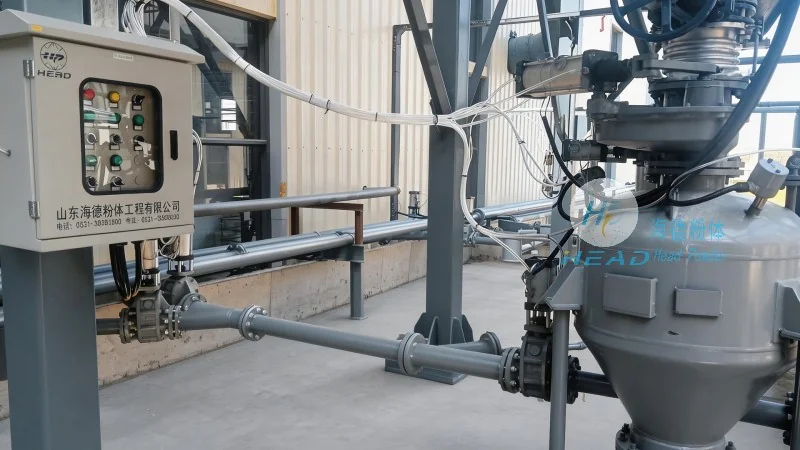
Given the diverse applications of mica sand, conveying lines are often customized to meet specific customer requirements. Factors such as material volume, distance between storage and processing areas, and desired flow rates influence the design. For example, a small-scale operation might employ a compact screw conveyor, while a large-scale industrial plant may require a belt conveyor system with multiple hoppers and feeding mechanisms. Maintenance is another critical aspect of conveying line operation. Regular inspection of components like the conveyor belt, feeding device, and hopper is essential to prevent breakdowns and ensure continuous operation. Companies like HeadPowder provide comprehensive maintenance services to keep the conveying lines in optimal condition, reducing downtime and extending equipment lifespan.

 Shandong Headpowder Engineering Co., Ltd.
 156-6277-7102(Manager Zhang)
  0531-83386006
  Zhangqiu District, Jinan City, Shandong Province, China
telephone
WeChatconsult
top