With more than 10‑year industry experience, Shandong Headpowder delivers full‑service pneumatic‑conveying systems and blowers, undertaking nationwide turn‑key powder‑handling projects.
Wet ammonium nitrate (WAN) is a critical raw material in the fertilizer industry, and efficient handling of this powder is essential for industrial operations. A wet ammonium nitrate powder conveying line is a specialized system engineered to transport this material safely and effectively from storage to processing or packaging units. This article explores the components, operational aspects, and design principles that underpin such a conveying line, with a focus on the technical considerations that ensure reliability and compliance with industry standards.
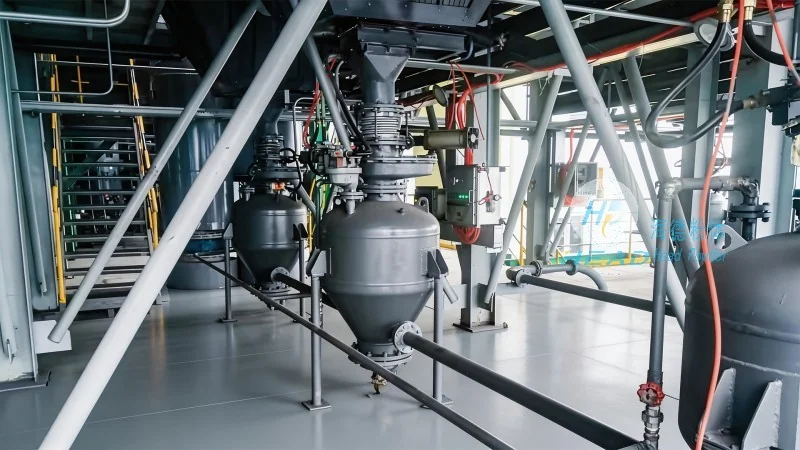
Before delving into the conveying line design, it is crucial to understand the properties of wet ammonium nitrate. This material is hygroscopic, meaning it readily absorbs moisture from the air, which can lead to caking or clumping. It also has a tendency to be corrosive to certain materials, especially at elevated temperatures or in the presence of acidic compounds. These characteristics influence the choice of materials for the conveying line components and the overall system design. Additionally, wet ammonium nitrate is classified as a hazardous material due to its potential to cause burns or other health risks if not handled properly. Therefore, safety is a paramount consideration in the design and operation of the conveying line.
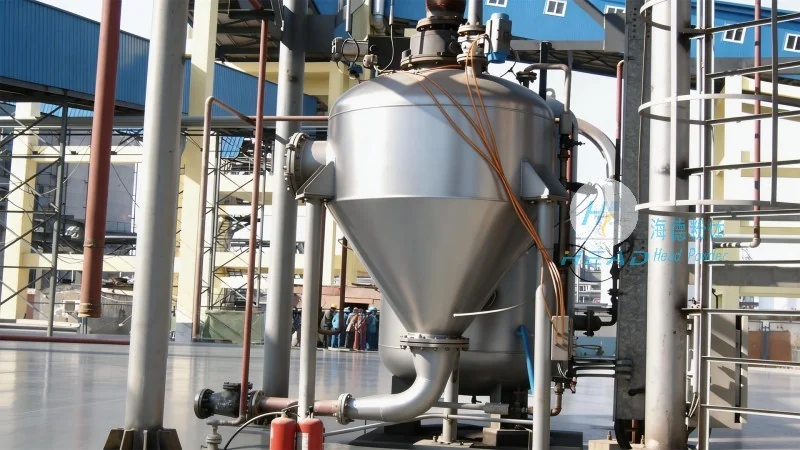
The wet ammonium nitrate powder conveying line typically consists of several key components, each playing a vital role in the material's transport. The primary components include a hopper or storage silo for receiving the material, a feeder mechanism (such as a rotary valve or screw feeder) to control the flow rate, a conveying system (either pneumatic or mechanical), and a discharge unit for delivering the material to the next stage of processing. The hopper is often equipped with a level indicator and a venting system to manage air pressure and prevent dust accumulation. The feeder ensures a consistent and controlled flow of the powder, preventing overloading or underloading of the conveying system. The conveying system can be either pneumatic, where air is used to move the powder through a pipeline, or mechanical, such as a belt conveyor or screw conveyor. The choice between these systems depends on factors like the material's properties, the distance to be conveyed, and the required flow rate.
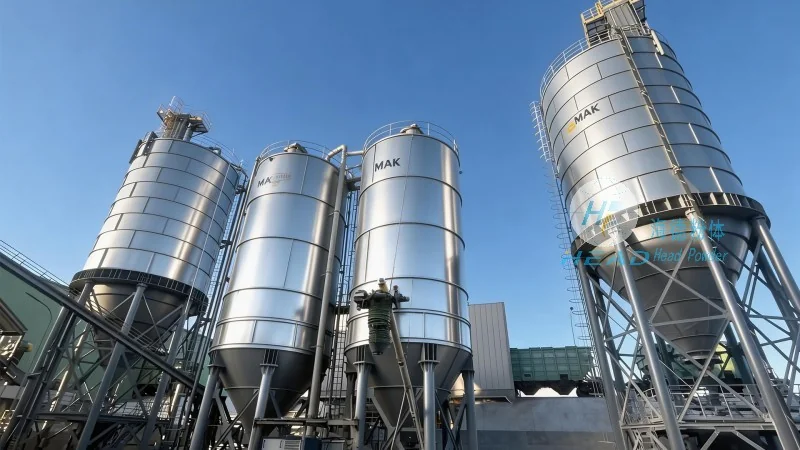
The design of a wet ammonium nitrate powder conveying line must adhere to several fundamental principles to ensure efficiency, safety, and durability. First, the system must be designed to handle the material's hygroscopic nature, which means incorporating features like moisture-proof seals and regular cleaning to prevent caking. Second, corrosion resistance is critical due to the material's potential to corrode metal components. Materials such as stainless steel, special alloys, or coated surfaces are commonly used for the hopper, feeder, and conveying components to mitigate corrosion. Third, the system must incorporate robust sealing mechanisms to prevent dust leakage and ensure environmental compliance. This includes using double-seal rotary valves, airlocks, and sealed conveyor systems to contain the material and prevent exposure to the environment. Fourth, the design must prioritize safety, incorporating features like explosion-proof motors, emergency shut-off valves, and monitoring systems to detect and respond to potential hazards. Additionally, the conveying line should be designed for easy maintenance and cleaning, as wet ammonium nitrate can be difficult to remove from equipment surfaces. This includes features like removable liners, easy-to-clean hoppers, and access points for maintenance personnel.
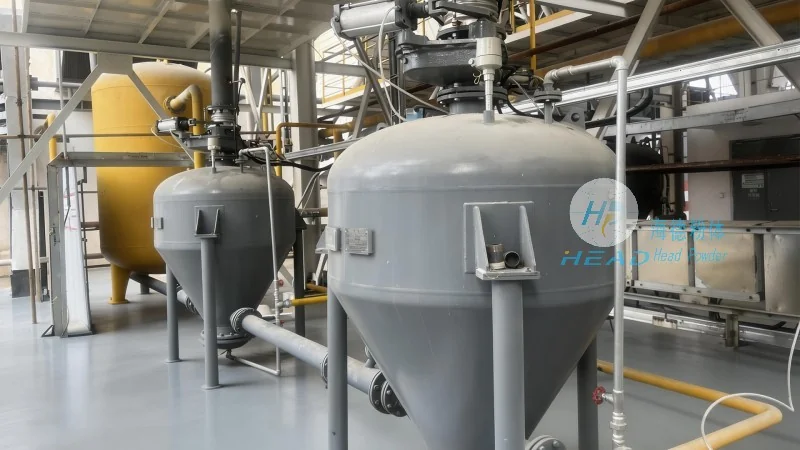
Once the wet ammonium nitrate powder conveying line is installed and operational, proper maintenance is essential to ensure its longevity and performance. Regular inspections of the hopper, feeder, and conveying components are necessary to check for signs of wear, corrosion, or caking. The system should be cleaned regularly to remove any accumulated material, especially after periods of inactivity or when the material has been exposed to moisture. The air pressure and flow rate should be monitored to ensure optimal performance and to detect any blockages or leaks. Additionally, the system should be equipped with a monitoring system that alerts operators to any abnormalities, such as high temperature, pressure, or material buildup. Proper training of operators is also crucial to ensure safe and efficient operation of the conveying line. Operators should be trained on the material's properties, the system's operation, and emergency procedures in case of an incident. By following these operational and maintenance guidelines, the wet ammonium nitrate powder conveying line can operate reliably and safely for extended periods.

 Shandong Headpowder Engineering Co., Ltd.
 156-6277-7102(Manager Zhang)
  0531-83386006
  Zhangqiu District, Jinan City, Shandong Province, China
telephone
WeChatconsult
top