With more than 10‑year industry experience, Shandong Headpowder delivers full‑service pneumatic‑conveying systems and blowers, undertaking nationwide turn‑key powder‑handling projects.
Monocrystalline silicon powder conveying systems are critical components in the manufacturing processes of solar panels and other semiconductor applications. These systems are engineered to handle the unique properties of monocrystalline silicon powder, which is known for its high purity and crystalline structure. The efficient transport of this powder is essential for maintaining quality and consistency in production lines. This article will explore the fundamental design principles behind such systems, focusing on the technical aspects that ensure reliable and efficient operation.
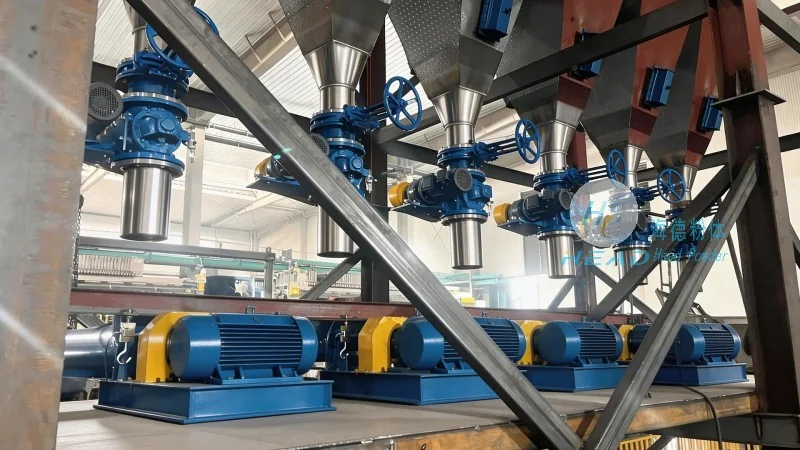
A typical monocrystalline silicon powder conveying system consists of several key components that work in tandem to move the powder from one location to another. These components include feed hoppers, conveyor belts or screw conveyors, airlocks, and dust collection systems. Each component plays a crucial role in the overall functionality of the system. The feed hopper is responsible for storing and feeding the silicon powder into the conveyor mechanism. The conveyor, whether it is a belt or a screw, then transports the powder through the system. Airlocks are used to prevent the backflow of powder and maintain a controlled environment. Finally, dust collection systems ensure that any airborne particles are captured and contained, protecting both the environment and the equipment.
The design of a monocrystalline silicon powder conveying system is guided by several key principles to ensure optimal performance. One of the primary principles is the maintenance of a low-pressure differential to prevent the agglomeration of powder particles. This is achieved through the use of gentle conveying methods, such as pneumatic or mechanical systems that minimize particle impact and friction. Another important principle is the control of temperature and humidity within the system. Monocrystalline silicon is sensitive to environmental conditions, and maintaining stable conditions prevents degradation of the powder quality. Additionally, the system is designed to minimize the risk of contamination, as even trace amounts of impurities can affect the performance of the final product. The use of sealed components and proper filtration is essential in achieving this goal.
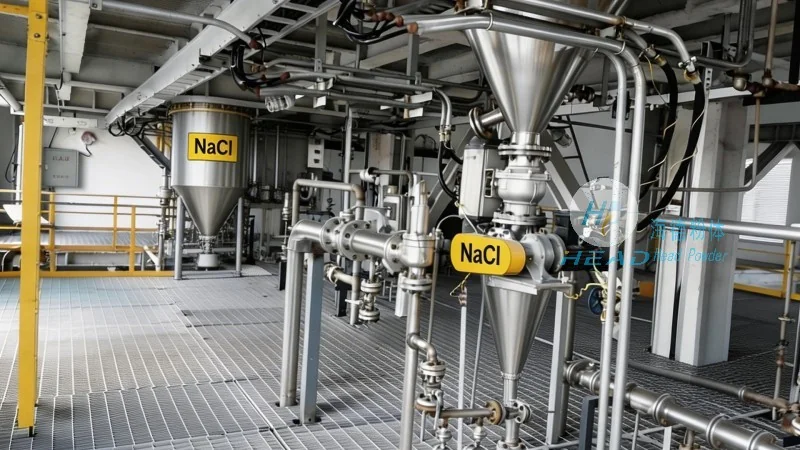
When designing a monocrystalline silicon powder conveying system, the selection of materials is critical to ensure long-term durability and performance. The components that come into direct contact with the silicon powder must be made of materials that are chemically inert and resistant to corrosion. Common materials include stainless steel, which is widely used due to its strength and resistance to chemical attack. The conveyor belts or screws are often lined with materials that are non-stick and easy to clean, such as PTFE-coated surfaces. This helps to prevent the buildup of powder on the equipment, which can lead to blockages and reduced efficiency. The airlocks and other sealing components are also made of materials that can withstand the abrasive nature of the silicon powder, ensuring that the system remains leak-free and efficient over time.
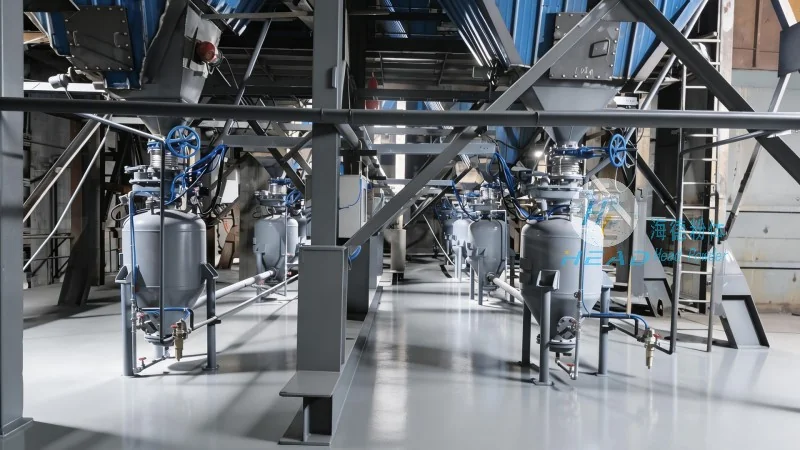
Modern monocrystalline silicon powder conveying systems are often equipped with advanced control systems and automation features to enhance operational efficiency and safety. These systems typically include sensors that monitor the flow rate, pressure, and temperature of the powder. The data collected by these sensors is used to adjust the system parameters in real-time, ensuring that the conveying process remains stable and consistent. Automation also helps to reduce the risk of human error, as the system can be programmed to operate under specific conditions without manual intervention. This not only improves the reliability of the process but also reduces the need for constant monitoring by operators. The control systems are designed to be user-friendly, allowing operators to easily adjust settings and monitor the system's performance through a graphical user interface.
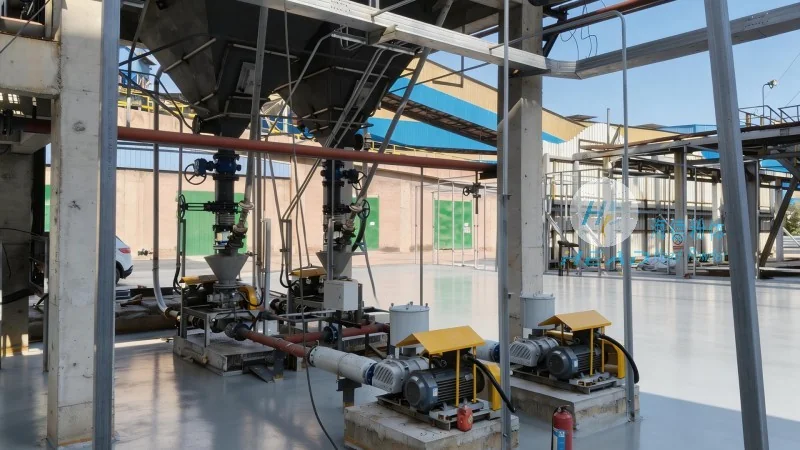
Monocrystalline silicon powder conveying systems are widely used in the solar panel manufacturing industry, where the purity and consistency of the silicon powder are critical to the efficiency of the final product. These systems are also used in other semiconductor applications, such as the production of microchips and other electronic components. The design of these systems must comply with industry standards to ensure that they meet the required specifications for purity, efficiency, and safety. Companies like Shandong HeadPowder Engineering Co., Ltd., based in China, specialize in the design and manufacturing of such systems, providing customized solutions to meet the specific needs of their clients. Their expertise in material handling and process engineering ensures that their systems are reliable and efficient, contributing to the overall success of their clients' production lines.
In conclusion, monocrystalline silicon powder conveying systems are complex and highly specialized pieces of equipment that are essential for the efficient and reliable production of solar panels and other semiconductor products. The design principles behind these systems focus on maintaining the purity and quality of the silicon powder while ensuring safe and efficient operation. The use of advanced materials, control systems, and automation helps to achieve these goals, making the systems more durable and reliable over time. Companies like Shandong HeadPowder Engineering Co., Ltd. play a crucial role in providing these systems to the industry, helping to meet the growing demand for high-quality monocrystalline silicon products.

 Shandong Headpowder Engineering Co., Ltd.
 156-6277-7102(Manager Zhang)
  0531-83386006
  Zhangqiu District, Jinan City, Shandong Province, China
telephone
WeChatconsult
top