With more than 10‑year industry experience, Shandong Headpowder delivers full‑service pneumatic‑conveying systems and blowers, undertaking nationwide turn‑key powder‑handling projects.
Adipic acid, a critical chemical used in the production of nylon and other polymers, necessitates efficient and safe transportation methods to maintain its purity and integrity throughout the supply chain. Among the various options available, pneumatic conveying has emerged as a preferred solution for handling adipic acid due to its ability to minimize product contamination and enhance operational efficiency. This section explores the common methods for adipic acid transportation, with a detailed focus on pneumatic conveying systems.
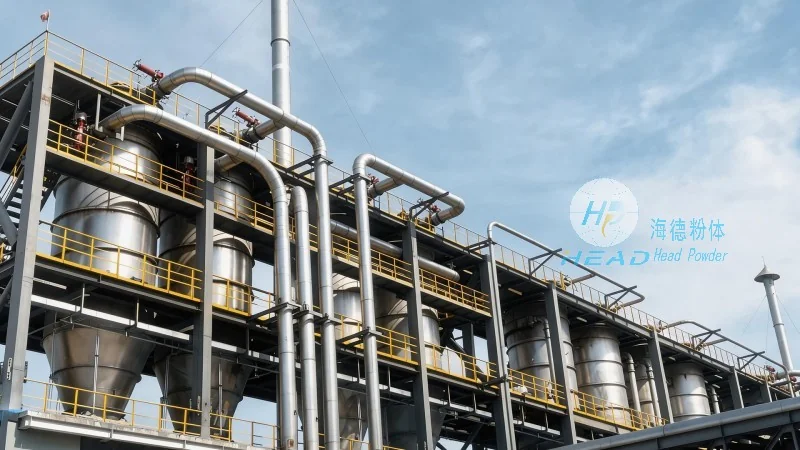
Pneumatic conveying systems utilize air or other gases to transport bulk materials like adipic acid through a network of pipes. These systems are designed to handle fine powders and granules, ensuring that the material is moved without the need for mechanical contact that could lead to contamination or degradation. The core components of a pneumatic conveying system include a material feed hopper, a conveyor line, a control system, and a dust collection unit. The process typically involves feeding adipic acid into the hopper, where it is then drawn into the conveyor line by the moving air stream. This method is particularly effective for adipic acid because it is a fine powder that can be easily suspended in air, allowing for smooth and continuous transport.
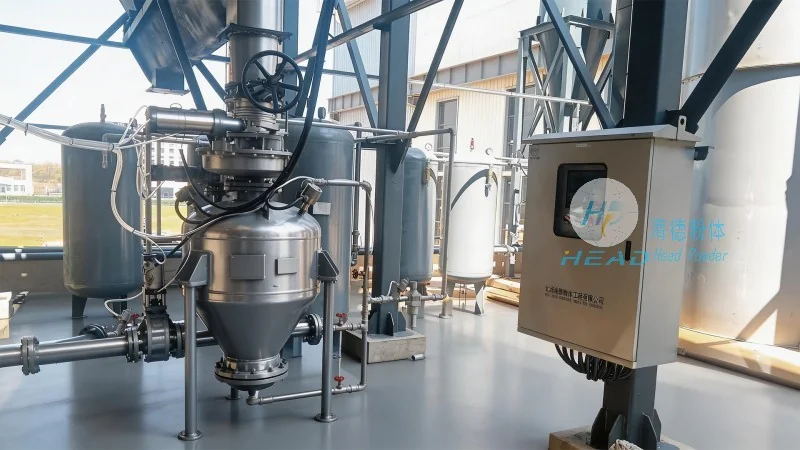
One of the primary advantages of pneumatic conveying for adipic acid is its ability to maintain product quality. Unlike mechanical conveying methods, which may cause friction and particle breakage, pneumatic systems minimize physical stress on the material. This is crucial for adipic acid, as any degradation could affect its performance in downstream applications. Additionally, pneumatic conveying offers excellent dust control, reducing the risk of airborne contamination and improving workplace safety. The systems are also highly flexible, allowing for changes in the layout or capacity without major modifications. Another key benefit is the automation potential, as pneumatic conveying can be integrated with other production processes to create a fully automated material handling solution.
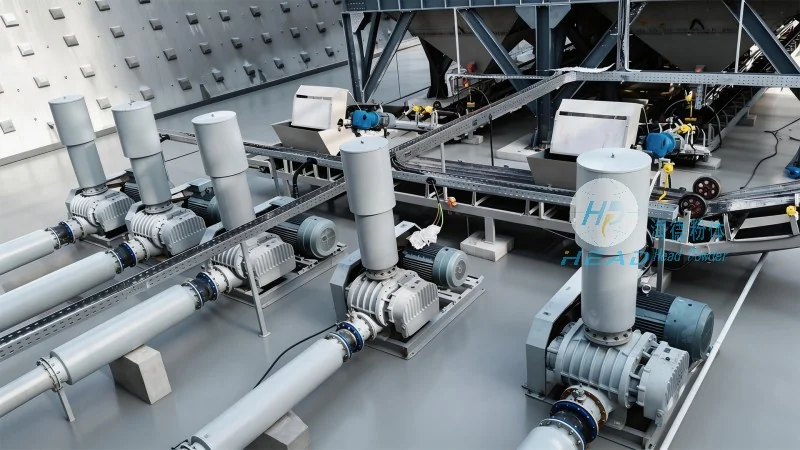
When implementing a pneumatic conveying system for adipic acid, several factors must be considered to ensure optimal performance. First, the particle size and flow properties of the adipic acid are critical. The system must be designed to handle the specific characteristics of the material, such as its density and moisture content. Second, the air pressure and flow rate need to be carefully calibrated to achieve efficient transport without excessive energy consumption. Third, the system must include proper dust collection and filtration to prevent environmental contamination and maintain compliance with regulations. Finally, regular maintenance and monitoring are essential to ensure the longevity and reliability of the equipment. By addressing these considerations, companies can maximize the benefits of pneumatic conveying for adipic acid transportation.
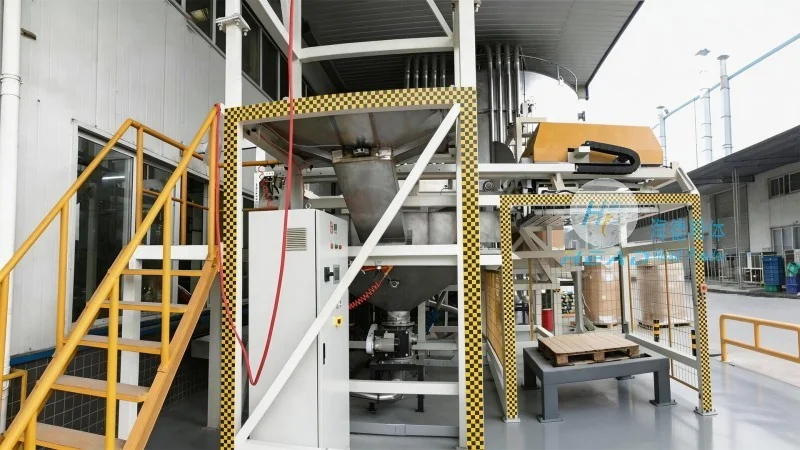
For industries dealing with adipic acid, selecting the appropriate transportation method is vital to maintaining product quality and operational efficiency. While various options exist, pneumatic conveying stands out as a reliable and effective solution. The systems offered by companies like Shandong HeadPowder Engineering Co., Ltd. (headpowder) are designed to meet the specific needs of adipic acid transportation, providing customized solutions that enhance productivity and safety. By leveraging the advantages of pneumatic conveying, manufacturers can ensure that their adipic acid supply chain is efficient, clean, and compliant with industry standards. Whether for small-scale or large-scale operations, pneumatic conveying offers a robust and versatile approach to handling adipic acid, making it a preferred choice for many industrial applications.

 Shandong Headpowder Engineering Co., Ltd.
 156-6277-7102(Manager Zhang)
  0531-83386006
  Zhangqiu District, Jinan City, Shandong Province, China
telephone
WeChatconsult
top