With more than 10‑year industry experience, Shandong Headpowder delivers full‑service pneumatic‑conveying systems and blowers, undertaking nationwide turn‑key powder‑handling projects.
Heptahydrate magnesium sulfate, also known as Epsom salt, is a widely used chemical compound in various industrial applications. The efficient and safe transportation of this material from production sites to processing facilities is crucial for maintaining operational efficiency and product quality. Air-flow transport technology, particularly through positive and negative pressure modes, offers effective solutions for handling heptahydrate magnesium sulfate. This article provides a detailed analysis of these two air-flow transport modes, highlighting their technical characteristics, advantages, and practical applications.
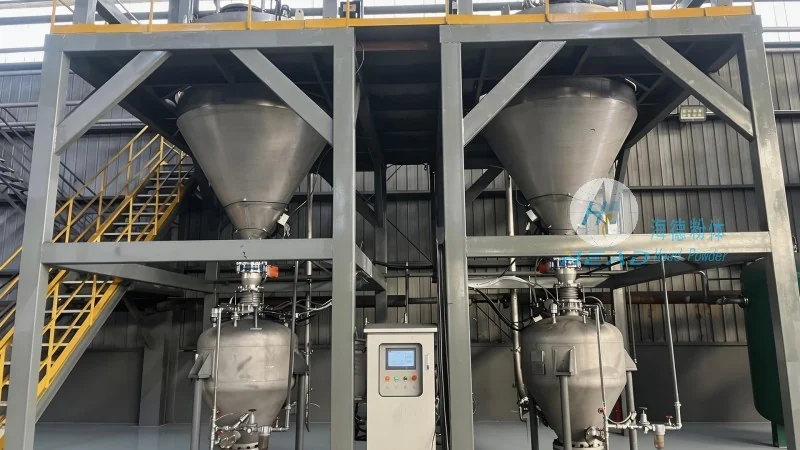
Heptahydrate magnesium sulfate (MgSO₄·7H₂O) is a hygroscopic, white crystalline solid commonly used in agriculture, pharmaceuticals, and food industries. Its handling requires specialized equipment to prevent dust generation and ensure material integrity. Air-flow transport systems utilize pneumatic conveying to move bulk materials like heptahydrate magnesium sulfate through pipelines using air pressure. Two primary modes of operation are widely adopted: positive pressure and negative pressure systems. Understanding the differences between these modes is essential for selecting the most suitable technology for specific industrial needs.
HeadPowder, a leading engineering company based in Shandong, China, specializes in the design, manufacturing, and installation of advanced pneumatic conveying systems. With years of experience in the chemical and bulk material handling sectors, HeadPowder has developed cutting-edge solutions tailored to the unique requirements of heptahydrate magnesium sulfate transportation. The company's expertise in positive and negative pressure air-flow transport technologies ensures reliable and efficient material handling for clients worldwide.
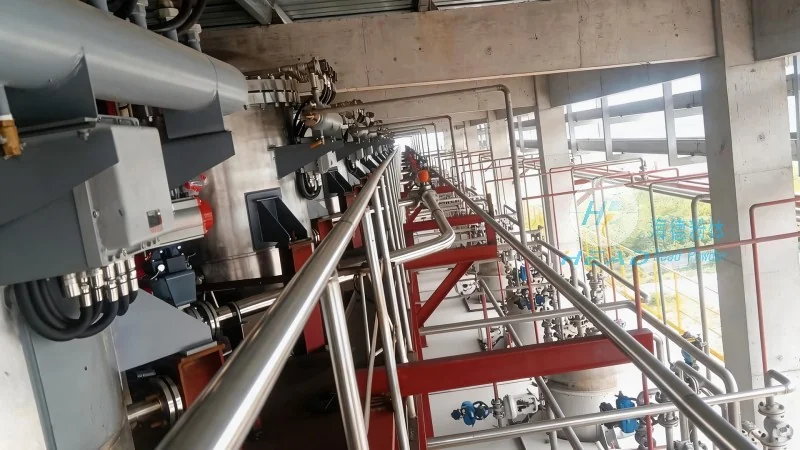
Positive pressure air-flow transport systems operate by blowing air into the conveying pipeline, creating a pressure higher than the ambient environment. This mode is particularly effective for transporting heptahydrate magnesium sulfate over long distances or through complex piping networks. The key components of a positive pressure system include a blower, a material feeder, and a pipeline network. The blower generates the necessary air pressure to move the material, while the feeder ensures a consistent flow of heptahydrate magnesium sulfate into the pipeline. One of the primary advantages of positive pressure systems is their ability to handle abrasive or corrosive materials without causing excessive wear on the equipment. However, they may require more robust filtration systems to prevent dust accumulation and maintain air quality.
Positive pressure air-flow transport offers several benefits for heptahydrate magnesium sulfate handling. Firstly, it provides high material transport rates, making it suitable for large-scale industrial operations. The system can handle high volumes of material efficiently, reducing the need for frequent material handling and minimizing downtime. Secondly, positive pressure systems are generally more reliable in terms of maintaining consistent material flow, as the pressure ensures that the material moves continuously through the pipeline. This reliability is crucial for maintaining production schedules and meeting customer demand. Additionally, positive pressure systems are less susceptible to external air infiltration, which can affect the quality of the transported material. The controlled environment within the pipeline helps preserve the integrity of heptahydrate magnesium sulfate, preventing moisture absorption or degradation.
Despite its advantages, positive pressure air-flow transport has some limitations when applied to heptahydrate magnesium sulfate. One of the main challenges is the higher energy consumption compared to negative pressure systems. The continuous operation of the blower requires significant power, which can increase operational costs. Another consideration is the need for regular maintenance of the blower and other components to ensure optimal performance. Additionally, positive pressure systems may generate more noise and require more space for the equipment, which can be a constraint in certain industrial settings. The high pressure within the pipeline also necessitates the use of more durable materials for the pipeline and fittings, increasing the initial investment cost.
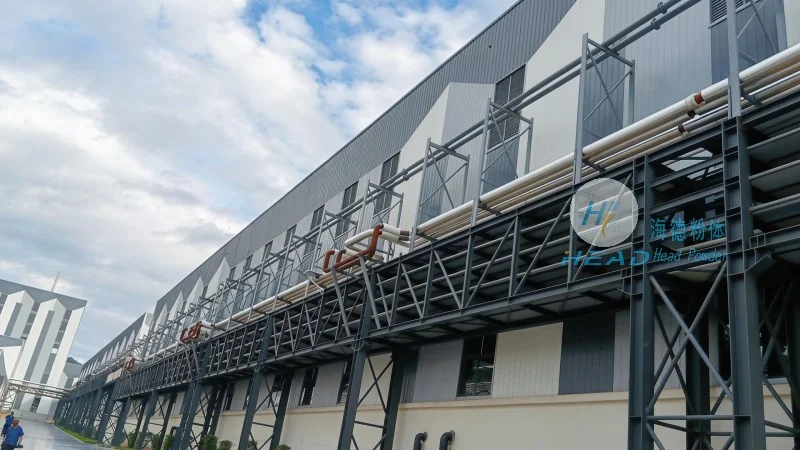
Negative pressure air-flow transport systems, also known as suction systems, operate by creating a vacuum in the conveying pipeline, drawing the material into the system. This mode is ideal for short-distance or low-volume transportation of heptahydrate magnesium sulfate, especially in applications where the material needs to be collected from a source and transported to a processing unit. The key components of a negative pressure system include a vacuum pump, a material hopper, and a pipeline network. The vacuum pump creates a pressure lower than the ambient environment, causing the heptahydrate magnesium sulfate to be drawn into the pipeline and transported to the destination. Negative pressure systems are generally more energy-efficient than positive pressure systems, as they require less power to operate the vacuum pump.
Negative pressure air-flow transport offers several advantages for heptahydrate magnesium sulfate handling. Firstly, it is more energy-efficient, making it a cost-effective solution for smaller-scale operations. The lower energy consumption reduces operational costs and makes it suitable for applications with limited power availability. Secondly, negative pressure systems are less noisy and require less space for the equipment, making them more suitable for indoor or confined environments. The vacuum pump operates at lower speeds and pressures, resulting in reduced noise levels and a smaller footprint. Additionally, negative pressure systems are less likely to cause dust explosions or other safety hazards, as the material is drawn into the system rather than being blown out. This makes them safer for handling potentially hazardous materials like heptahydrate magnesium sulfate.
However, negative pressure air-flow transport has its own set of challenges. One of the main limitations is the lower material transport rate compared to positive pressure systems. The suction force is generally weaker, which may limit the volume of heptahydrate magnesium sulfate that can be transported in a given time. This can be a constraint for large-scale industrial operations where high throughput is required. Another consideration is the need for regular maintenance of the vacuum pump and filtration systems to prevent clogging and ensure consistent performance. The negative pressure environment may also attract more dust and particles from the ambient air, requiring more frequent cleaning of the pipeline and filters. Additionally, negative pressure systems are more susceptible to external air infiltration, which can affect the quality of the transported material and increase the risk of moisture absorption or degradation.
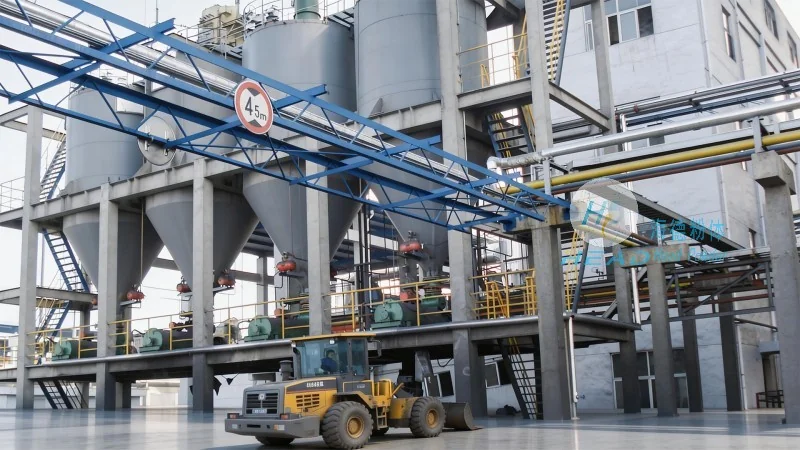
When selecting between positive and negative pressure air-flow transport systems for heptahydrate magnesium sulfate, several factors must be considered. The primary decision point is the distance and volume of material to be transported. For long-distance or high-volume applications, positive pressure systems are generally more suitable due to their higher transport rates and reliability. For short-distance or low-volume applications, negative pressure systems offer better energy efficiency and lower operational costs. The specific characteristics of the heptahydrate magnesium sulfate, such as its moisture content and dust generation potential, also play a role in the selection. Positive pressure systems are better suited for handling dry, low-dust materials, while negative pressure systems may be more effective for handling materials with higher moisture content or dust levels. The available space and power supply at the site are also critical factors. Positive pressure systems require more space and higher power consumption, while negative pressure systems are more compact and energy-efficient. Finally, the safety requirements of the application must be considered. Positive pressure systems may pose a higher risk of dust explosions due to the high pressure and potential for air leakage, while negative pressure systems are generally safer due to the lower pressure and controlled suction.
Both positive and negative pressure air-flow transport modes offer effective solutions for the handling of heptahydrate magnesium sulfate. The choice between the two depends on the specific requirements of the industrial application, including distance, volume, energy efficiency, and safety considerations. Positive pressure systems are ideal for large-scale, long-distance transportation with high material throughput, while negative pressure systems are more suitable for smaller-scale, short-distance applications with lower energy requirements. By understanding the technical characteristics and advantages of each mode, industrial operators can select the most appropriate air-flow transport technology to ensure efficient, safe, and cost-effective handling of heptahydrate magnesium sulfate. HeadPowder, with its expertise in pneumatic conveying systems, provides tailored solutions that meet the unique needs of clients, helping them optimize their material handling processes and enhance overall operational efficiency.

 Shandong Headpowder Engineering Co., Ltd.
 156-6277-7102(Manager Zhang)
  0531-83386006
  Zhangqiu District, Jinan City, Shandong Province, China
telephone
WeChatconsult
top