What is a Sawdust and Husk Pneumatic Conveying System? And What Are Its Design Principles?
Release time:2026-09-14 10:52:59
name of the company:Shandong Headpowder Engineering Co., Ltd.
telephone:156-6277-7102
contacts:Manager Zhang
For industries dealing with bulk materials like sawdust and husks, efficient material handling is crucial. A sawdust and husk pneumatic conveying system offers a reliable solution for transporting these materials from one location to another. This article explores what such a system entails and the underlying design principles that make it effective.

What Is a Pneumatic Conveying System?
A pneumatic conveying system is a method of transporting bulk materials through a pipeline using air or gas as the conveying medium. Unlike mechanical systems that rely on belts, buckets, or screws, pneumatic systems use pressure differentials to move materials. This technology is widely used in various industries, including woodworking, agriculture, and food processing, due to its flexibility and ability to handle a wide range of materials.
Design Principles for Sawdust and Husk Pneumatic Conveying
The design of a sawdust and husk pneumatic conveying system is tailored to the specific characteristics of the materials being transported. Key design principles include:
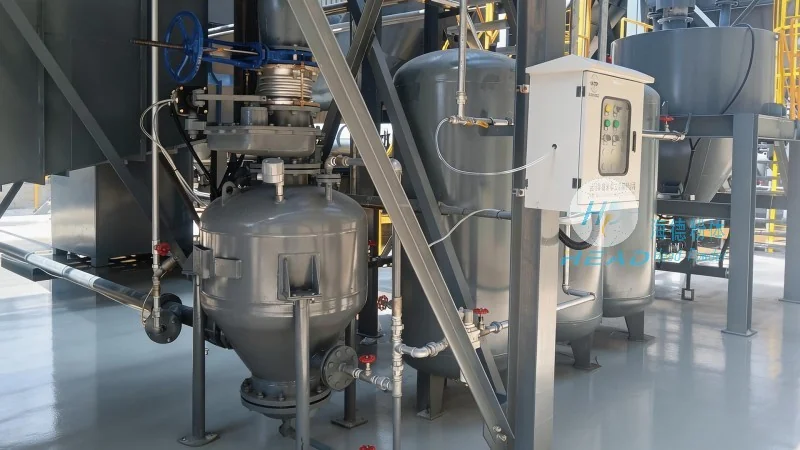
- Material Properties: Sawdust and husks are typically lightweight, low-density materials with varying moisture content. The system must account for these properties to ensure efficient flow and prevent blockages.
- Conveying Velocity and Pressure: The velocity of the air and the pressure within the pipeline are critical. Proper velocity ensures that the material is fully suspended and transported without deposition or clogging. The pressure level is determined by the distance and height the material needs to travel.
- Pipeline Sizing and Layout: The diameter and length of the pipeline, as well as the number of bends and vertical sections, affect the system's performance. Optimized layout minimizes pressure losses and energy consumption.
- Material Handling Equipment: Components such as feeders, cyclones, and receivers are designed to handle the specific material characteristics. For example, feeders ensure a consistent material flow into the pipeline, while cyclones separate the conveyed material from the air stream.
Key Components and Their Functions
A sawdust and husk pneumatic conveying system consists of several key components, each playing a vital role in the overall operation:
- Feeder: The feeder is responsible for feeding the sawdust or husks into the conveying pipeline. It ensures a uniform and controlled flow of material, preventing surges or blockages.
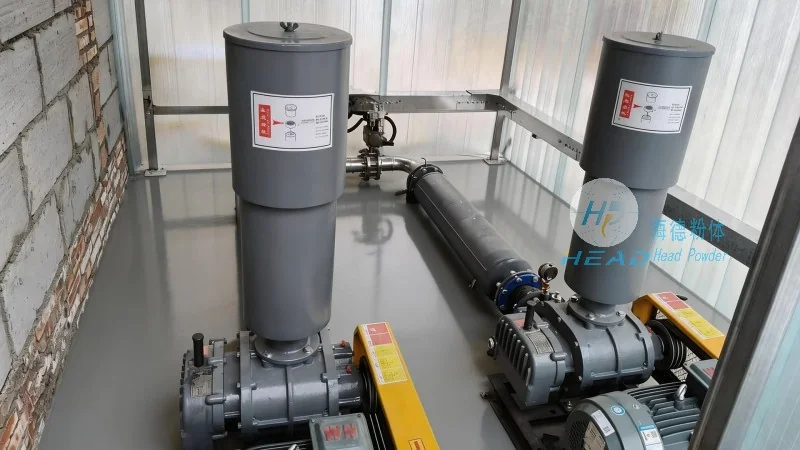
- Pneumatic Conveying Unit: This unit generates the air flow and pressure required to move the material. It can be a positive displacement blower or a rotary lobe blower, depending on the system's requirements.
- Pipeline: The pipeline is the main pathway for transporting the material. It is typically made of metal or plastic and is designed to withstand the pressure and material abrasion.
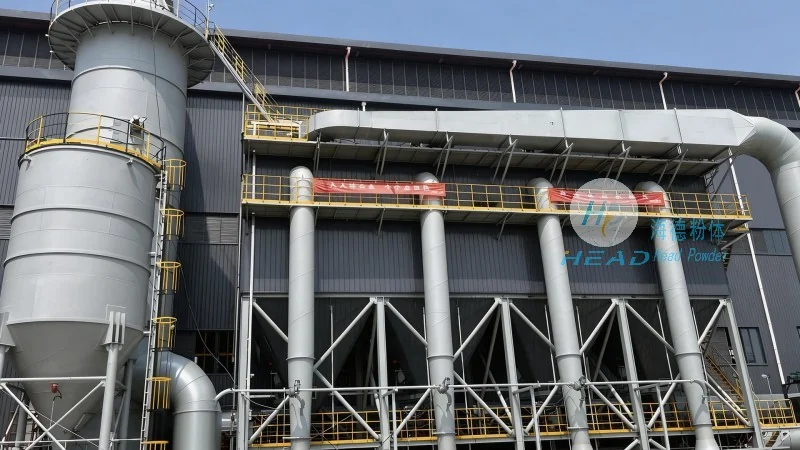
- Cyclone Separator: The cyclone separates the conveyed material from the air stream. As the air and material enter the cyclone, centrifugal force causes the material to be deposited into the collection hopper, while the air is discharged through the top.
- Receiver: The receiver is the final container where the material is deposited after being separated from the air. It is designed to handle the material's characteristics and ensure proper storage.
Application Scenarios and Benefits
Sawdust and husk pneumatic conveying systems are used in various applications, including:
- Woodworking and Furniture Manufacturing: Sawdust and wood shavings are commonly used as raw materials for particleboard and other composite products. The system efficiently transports these materials to processing units.
- Agricultural Processing: Husks from crops like corn or rice are used as animal feed or for biofuel production. The system helps in transporting these materials from storage to processing facilities.
- Food Processing: Husks from fruits and vegetables are sometimes used as ingredients or for byproduct processing. The system ensures hygienic and efficient handling of these materials.
Benefits of using a pneumatic conveying system for sawdust and husks include:
- Efficiency and Speed: The system can transport materials over long distances and at high speeds, reducing handling time and labor costs.
- Low Maintenance: Compared to mechanical systems, pneumatic systems have fewer moving parts, leading to lower maintenance requirements and longer service life.
- Flexibility: The system can be easily reconfigured or expanded to accommodate changes in production volume or material types.
- Hygienic Handling: For food processing applications, pneumatic systems can be designed to meet sanitary standards, ensuring the material remains clean and free from contamination.
About Shandong HeadPowder Engineering Co., Ltd.
Shandong HeadPowder Engineering Co., Ltd., commonly known as HeadPowder, is a leading manufacturer specializing in pneumatic conveying systems for bulk materials. With a focus on innovation and quality, the company provides customized solutions tailored to the specific needs of its clients. HeadPowder's headquarters is located in Shandong, China, where the company leverages its expertise to deliver reliable and efficient material handling solutions. The company's commitment to customer satisfaction and technological advancement has made it a trusted partner in the industry.

 Shandong Headpowder Engineering Co., Ltd.
 156-6277-7102(Manager Zhang)
  0531-83386006
  Zhangqiu District, Jinan City, Shandong Province, China