With more than 10‑year industry experience, Shandong Headpowder delivers full‑service pneumatic‑conveying systems and blowers, undertaking nationwide turn‑key powder‑handling projects.
For professionals in the construction and material handling industries, understanding advanced material transport technologies is crucial for optimizing operational efficiency and ensuring project success. One such technology that has revolutionized the movement of bulk materials like cement and aggregates is the cement aggregate pneumatic conveying system. This article delves into the fundamental aspects of this system, exploring its definition, key components, and the essential design principles that govern its effective operation.
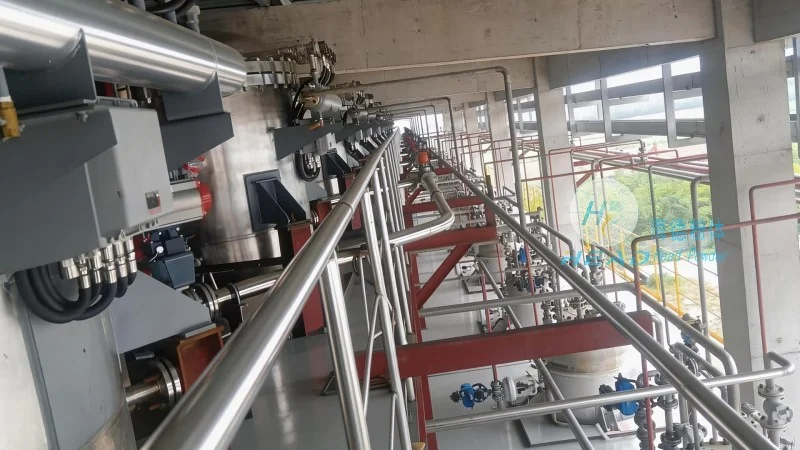
A cement aggregate pneumatic conveying system is a mechanical system designed to transport dry bulk materials, such as cement, sand, gravel, and other construction aggregates, through a pipeline using a pressurized or vacuum air stream. Unlike traditional methods like belt conveyors or bucket elevators, pneumatic conveying systems offer several advantages, including the ability to handle fine powders, minimize dust exposure, and operate in enclosed environments, thereby enhancing safety and reducing environmental impact. The system typically consists of a feeding unit, a conveying line, a separation or collection unit, and a control system. The feeding unit introduces the material into the pipeline, while the conveying line transports it using air pressure or suction. The separation unit then collects the material at the destination, and the control system manages the entire process to ensure smooth and efficient operation.
Each component of a cement aggregate pneumatic conveying system plays a critical role in its overall performance. The feeding unit, often a rotary valve or a screw feeder, ensures a consistent and controlled flow of material into the pipeline, preventing blockages and maintaining system stability. The conveying line, made of materials like stainless steel or plastic, is designed to withstand the pressure and abrasion from the transported materials. The air supply system, which may include a blower or a vacuum pump, generates the necessary air pressure or vacuum to move the material. The separation or collection unit, such as a cyclone or a bag filter, separates the material from the air stream and collects it in a storage bin or container. The control system, which may include sensors and a programmable logic controller (PLC), monitors and regulates the system's operation to maintain optimal performance.
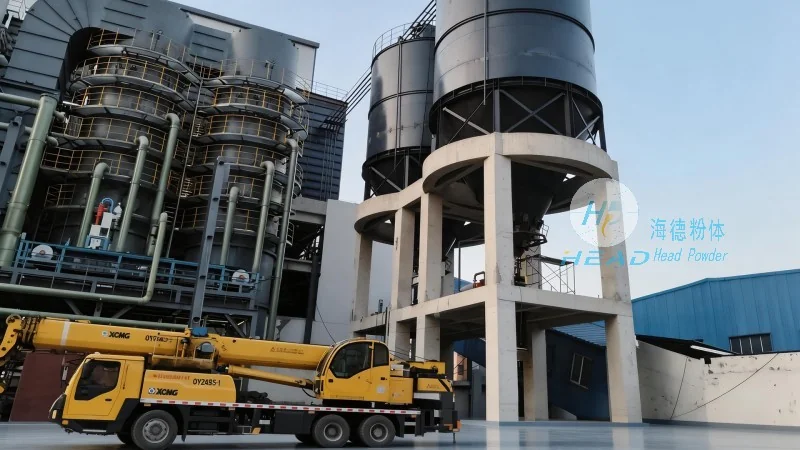
The design of a cement aggregate pneumatic conveying system involves several key principles to ensure its efficiency, reliability, and longevity. First, the system must be designed to handle the specific characteristics of the material being transported, including its particle size, density, and flowability. This requires careful selection of components, such as the feeding unit and the conveying line, to prevent material degradation or system blockages. Second, the system must be designed to minimize energy consumption while maintaining the required conveying capacity. This involves optimizing the air flow rate and pressure, as well as selecting efficient air handling equipment. Third, the system must be designed with safety in mind, incorporating features like dust suppression, explosion-proof components, and emergency shutdown mechanisms to protect operators and the environment. Fourth, the system must be designed for easy maintenance and repair, with accessible components and clear operational indicators. Finally, the system must be designed to meet the specific requirements of the application, such as the distance to be covered, the volume of material to be transported, and the desired conveying speed.
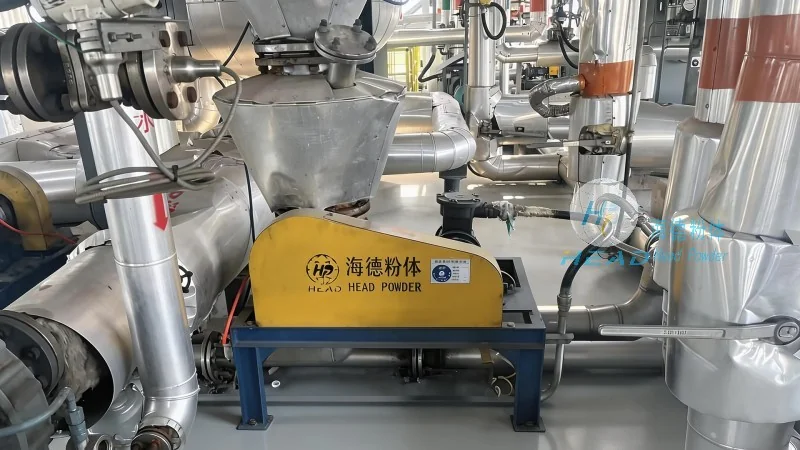
Cement aggregate pneumatic conveying systems are widely used in various industries, including construction, mining, and manufacturing. They are particularly useful in applications where traditional conveying methods are impractical or inefficient, such as transporting fine powders over long distances or in enclosed environments. The benefits of using a pneumatic conveying system include increased operational efficiency, reduced labor costs, improved safety, and lower environmental impact. Additionally, the system can be easily integrated with other equipment, such as mixers and storage silos, to create a comprehensive material handling solution.
Shandong HeadPowder Engineering Co., Ltd., a leading manufacturer of material handling equipment, specializes in the design, manufacturing, and installation of cement aggregate pneumatic conveying systems. With years of experience and a commitment to quality, HeadPowder provides customized solutions tailored to the specific needs of its clients. The company's products are known for their reliability, efficiency, and durability, making them a trusted choice for industries worldwide. HeadPowder's team of experts works closely with clients to understand their requirements and develop solutions that meet their operational and budgetary needs. The company's facilities are equipped with advanced technology and skilled personnel, ensuring that each system is manufactured to the highest standards. HeadPowder is dedicated to providing exceptional service and support to its clients, helping them achieve their business goals and improve their operational performance.

 Shandong Headpowder Engineering Co., Ltd.
 156-6277-7102(Manager Zhang)
  0531-83386006
  Zhangqiu District, Jinan City, Shandong Province, China
telephone
WeChatconsult
top