With more than 10‑year industry experience, Shandong Headpowder delivers full‑service pneumatic‑conveying systems and blowers, undertaking nationwide turn‑key powder‑handling projects.
Welcome to the world of advanced material handling solutions, where efficiency and reliability are paramount. Today, we delve into the realm of ton bag pneumatic conveying systems, a technology that has revolutionized the way bulk materials are transported across various industrial applications. As a leading provider in this field, Shandong HeadPowder Engineering Co., Ltd., commonly known as HeadPowder, brings decades of expertise to the table, offering tailored solutions that meet the unique demands of modern industries. Based in Shandong, China, HeadPowder specializes in designing and manufacturing pneumatic conveying systems that ensure seamless, safe, and cost-effective material transport. Let's explore what these systems are, how they work, and the critical design principles that underpin their success.
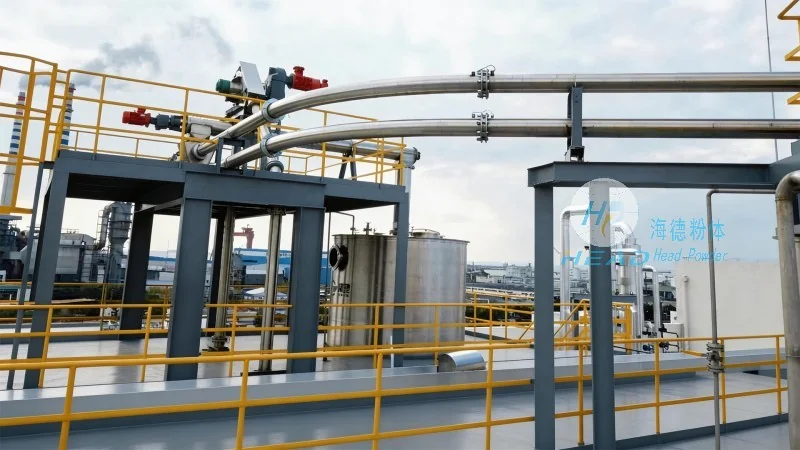
A ton bag pneumatic conveying system is a sophisticated piece of equipment designed to transport bulk materials from one location to another using compressed air or other gases. Unlike traditional methods like belt conveyors or bucket elevators, this system relies on the principles of fluidization and pneumatic transport to move materials through a network of pipes. The term "ton bag" refers to the large, flexible containers used to store and feed the material into the system. These bags are typically made of durable materials such as polyethylene or other reinforced fabrics, capable of holding substantial quantities of bulk solids, often ranging from several hundred kilograms to several tons. The system's core components include a hopper or feeder, a pressure vessel or airlock, a conveying line, and a receiver or discharge unit. The process begins when the ton bag is placed on a loading platform, and the material is released into the feeder. The feeder then meters the material into the conveying line, where it is mixed with the compressed air, creating a slurry-like mixture that travels through the pipes. The air pressure and velocity are carefully controlled to ensure the material moves efficiently without causing blockages or excessive wear on the system components.

At the heart of any ton bag pneumatic conveying system are several critical components that work in harmony to achieve optimal performance. The first component is the ton bag itself, which serves as the primary storage and feeding device. These bags are designed to be lightweight yet robust, allowing for easy handling and filling. The next key component is the feeder or hopper, which regulates the flow of material from the ton bag into the conveying line. This component is crucial for maintaining a consistent flow rate, preventing overloading, and ensuring the material is properly mixed with the air. The feeder may include features such as a gate valve or a rotary valve to control the discharge of material. The pressure vessel or airlock is another essential part of the system. This component acts as a buffer, separating the high-pressure air supply from the conveying line and preventing backflow or pressure surges. It also helps in maintaining a consistent pressure within the system, which is vital for efficient material transport. The conveying line, typically made of stainless steel or other corrosion-resistant materials, forms the main pathway for the material and air mixture. The design of the pipes, including bends, elbows, and straight sections, is carefully engineered to minimize pressure losses and ensure smooth flow. The receiver or discharge unit is the final component, where the material is collected after being transported through the system. This unit may include a hopper or a silo, depending on the application, and is designed to handle the incoming material without causing spillage or blockages.
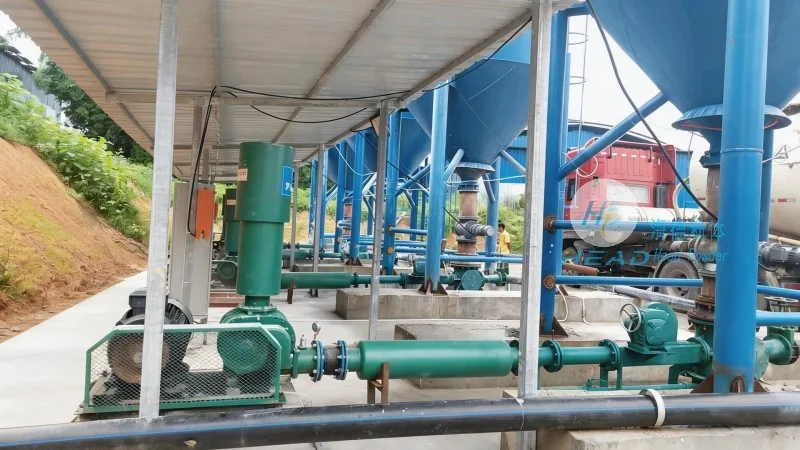
The success of a ton bag pneumatic conveying system hinges on adherence to several key design principles that ensure efficiency, reliability, and longevity. The first principle is the selection of appropriate air pressure and velocity. The air pressure must be sufficient to overcome the resistance of the conveying line and the weight of the material, while the velocity must be high enough to prevent material settling or clogging. Typically, the air velocity is maintained between 20 to 30 meters per second, depending on the material's characteristics and the system's design. The second principle is the proper sizing of the conveying line. The diameter and length of the pipes are critical factors that affect the system's performance. Larger diameters reduce pressure losses and improve flow, while longer lines may require additional air boosters or pressure vessels to maintain the required pressure. The third principle is the consideration of material properties. Different materials have varying densities, particle sizes, and flow characteristics, which influence the system's design. For example, cohesive materials may require higher air velocities or special feeding mechanisms to prevent agglomeration. The fourth principle is the incorporation of safety features. Pneumatic conveying systems can generate significant pressure and noise, so safety valves, pressure relief devices, and noise reduction measures are essential to protect operators and equipment. Additionally, the system should be designed to handle variations in material feed rate, ensuring that it can adapt to changes in production demand without compromising performance. The fifth principle is the integration of maintenance and monitoring systems. Regular maintenance is crucial to prevent breakdowns and extend the system's lifespan. This may include features such as pressure sensors, flow meters, and alarms that alert operators to any issues, allowing for timely intervention and repair.
Ton bag pneumatic conveying systems find wide applications across various industries, including food processing, pharmaceuticals, chemicals, and mining. In the food industry, for example, these systems are used to transport ingredients such as flour, sugar, and spices, ensuring hygienic and dust-free handling. The pharmaceutical industry relies on such systems to transport active pharmaceutical ingredients (APIs) and other sensitive materials, maintaining strict contamination control. In the chemical industry, the systems are used to handle powders and granules, such as fertilizers, pigments, and coatings, where dust control and material purity are critical. The mining industry uses ton bag systems to transport raw materials like coal, ore, and minerals from storage facilities to processing plants. The benefits of using ton bag pneumatic conveying systems are numerous. First, they offer a dust-free and clean environment, which is essential in industries where hygiene and safety are paramount. Second, they provide a high degree of flexibility, allowing materials to be transported over long distances and through complex layouts without the need for multiple transfer points. Third, they are energy-efficient compared to traditional methods, as they use compressed air rather than mechanical components that require constant power. Fourth, they are relatively low-maintenance, with fewer moving parts that can wear out or break down. Finally, they offer cost savings by reducing labor costs associated with manual handling and minimizing material loss due to spillage or clogging. As a result, industries worldwide are increasingly adopting ton bag pneumatic conveying systems to enhance their operational efficiency and meet the growing demands for safe and reliable material transport.
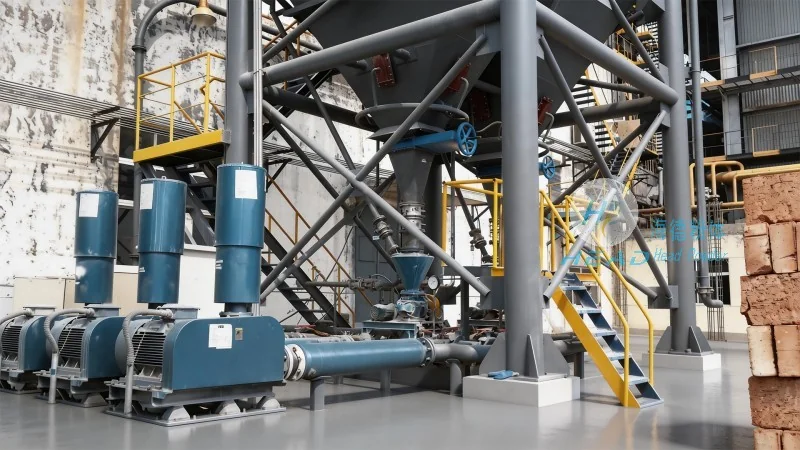
In conclusion, ton bag pneumatic conveying systems represent a significant advancement in material handling technology, offering efficient, reliable, and cost-effective solutions for transporting bulk materials. The design and operation of these systems are based on sound engineering principles, carefully tailored to meet the specific needs of each application. As a leading provider in this field, Shandong HeadPowder Engineering Co., Ltd. continues to innovate and improve its systems, ensuring that clients receive the best possible solutions for their material transport needs. With its headquarters in Shandong, China, HeadPowder leverages its expertise and experience to deliver high-quality, customized pneumatic conveying systems that meet the highest standards of performance and safety. As industries continue to evolve and demand more efficient material handling solutions, the role of ton bag pneumatic conveying systems will only grow, making them an indispensable part of modern industrial operations. Whether you are in the food, pharmaceutical, chemical, or mining industry, investing in a ton bag pneumatic conveying system from HeadPowder can provide you with a competitive edge and ensure that your material transport processes are optimized for maximum efficiency and reliability.

 Shandong Headpowder Engineering Co., Ltd.
 156-6277-7102(Manager Zhang)
  0531-83386006
  Zhangqiu District, Jinan City, Shandong Province, China
telephone
WeChatconsult
top