With more than 10‑year industry experience, Shandong Headpowder delivers full‑service pneumatic‑conveying systems and blowers, undertaking nationwide turn‑key powder‑handling projects.
Wood powder pneumatic conveying systems are specialized industrial equipment designed to transport wood-based powders and fine particles through a pipeline using air or other gas as the conveying medium. These systems are crucial in various industries, including woodworking, paper manufacturing, and biomass energy production, where the efficient and reliable movement of wood powders is essential for operational efficiency and product quality. The design principles behind these systems are centered on optimizing the flow of material, ensuring minimal degradation of the powder, and maintaining system efficiency under varying operational conditions.
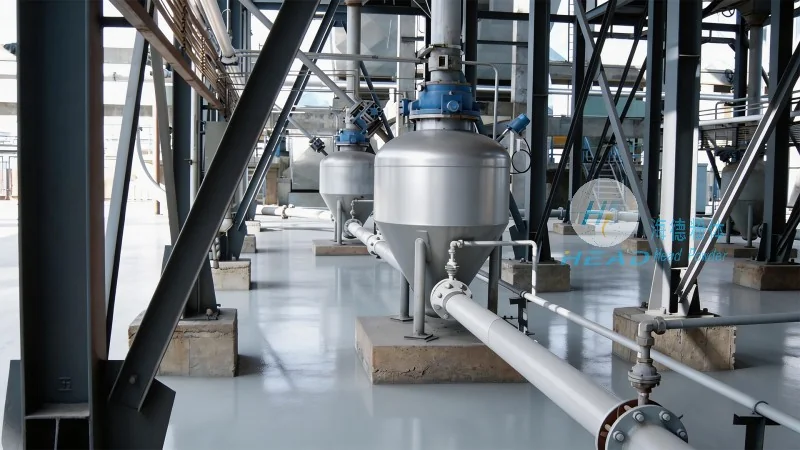
A typical wood powder pneumatic conveying system consists of several key components that work in tandem to achieve effective material transport. The primary components include a hopper or feeder for storing and feeding the wood powder, a conveying line (usually made of stainless steel or other corrosion-resistant materials to handle the abrasive nature of wood powders), a blower or air compressor that generates the necessary air pressure, and a receiver or discharge unit for collecting the conveyed material. Each component plays a critical role in the overall performance of the system.
The design of a wood powder pneumatic conveying system is guided by several fundamental principles to ensure optimal performance. One of the key principles is the selection of the appropriate conveying velocity, which must be high enough to overcome the friction between the powder particles and the pipeline walls while preventing excessive particle degradation. The system design also considers the particle size distribution and moisture content of the wood powder, as these factors influence the required air velocity and pressure. Additionally, the system must be designed to minimize pressure losses along the pipeline, which is achieved through proper pipe sizing, the use of smooth surfaces, and the inclusion of appropriate fittings and bends that reduce turbulence.
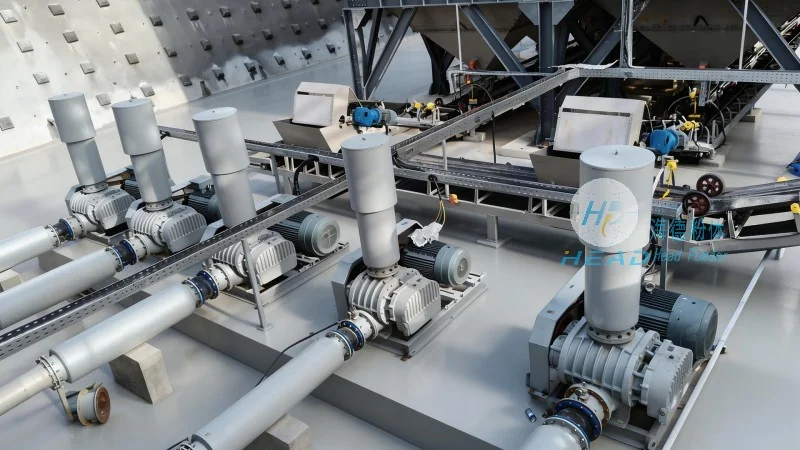
The operation of a wood powder pneumatic conveying system involves a sequence of steps that ensure the continuous and controlled movement of the material. The process typically begins with the wood powder being fed from a hopper into the conveying line. The blower then generates a high-pressure air stream that draws the powder particles into the pipeline. As the air and powder mixture travels through the line, the velocity and pressure are maintained to keep the material in suspension. The mixture then reaches the receiver or discharge point, where the air is separated from the powder, and the powder is collected for further processing. The air, now containing fine powder particles, is often filtered and recycled back into the system to improve efficiency and reduce waste.
Designing a wood powder pneumatic conveying system requires careful consideration of several factors to ensure durability and performance. The material of construction is a critical factor, as wood powders can be abrasive and may contain moisture, which can lead to corrosion or clogging. Stainless steel is commonly used for the pipeline and components due to its resistance to corrosion and wear. The system design also considers the potential for particle agglomeration, which can cause blockages in the pipeline. To prevent this, the system may include features such as vibration feeders or agitators to keep the powder in a free-flowing state. Additionally, the system must be designed to handle variations in powder flow rate and composition, ensuring consistent performance under different operational conditions.
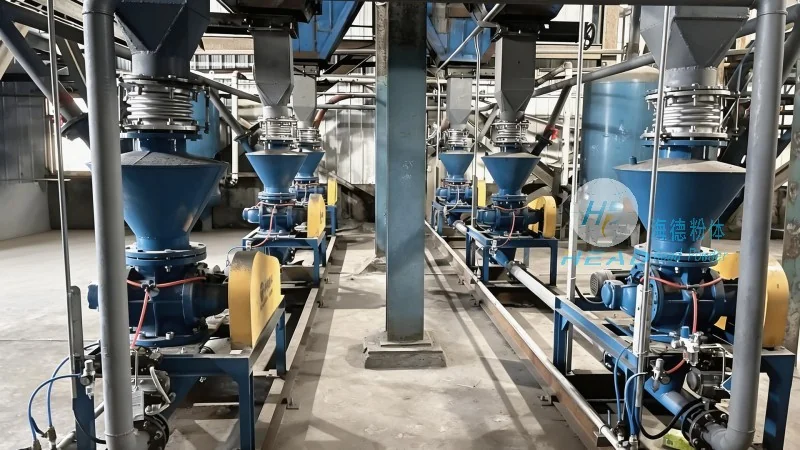
Wood powder pneumatic conveying systems are widely used in various applications across different industries. In the woodworking industry, these systems are used to transport wood sawdust, shavings, and other fine particles from production lines to storage or processing areas. In the paper manufacturing industry, they are used to convey wood pulp and other raw materials to the papermaking machines. In biomass energy production, they are used to transport wood pellets or powder to biomass boilers for energy generation. The benefits of using these systems include improved operational efficiency, reduced labor costs, and enhanced product quality. By eliminating the need for manual handling and reducing the risk of material degradation, these systems contribute to a more streamlined and cost-effective production process.
In conclusion, wood powder pneumatic conveying systems are essential equipment for industries that rely on the efficient transport of wood-based powders. The design principles behind these systems are focused on optimizing material flow, minimizing degradation, and ensuring system efficiency. By carefully selecting the appropriate components and following best practices in system design, manufacturers can achieve reliable and cost-effective material transport. As the demand for wood-based products continues to grow, the importance of these systems in supporting industrial operations will only increase. The expertise of companies like Shandong HeadPowder Engineering Co., Ltd. in designing and implementing these systems is crucial for meeting the evolving needs of the industry.

 Shandong Headpowder Engineering Co., Ltd.
 156-6277-7102(Manager Zhang)
  0531-83386006
  Zhangqiu District, Jinan City, Shandong Province, China
telephone
WeChatconsult
top