

Principle of Industrial Salt Pneumatic Conveying Equipment
Industrial salt, a critical raw material across diverse sectors like chemical manufacturing, food processing, and de-icing operations, demands efficient and safe transportation to maintain seamless production workflows. Pneumatic conveying systems have become the preferred method for handling bulk industrial salt due to their ability to transport materials in a dust-free environment, minimize material degradation, and enhance operational safety. This article explores the fundamental principles of industrial salt pneumatic conveying equipment, detailing the core components, operational mechanisms, and practical applications that make this technology indispensable in modern industrial settings.
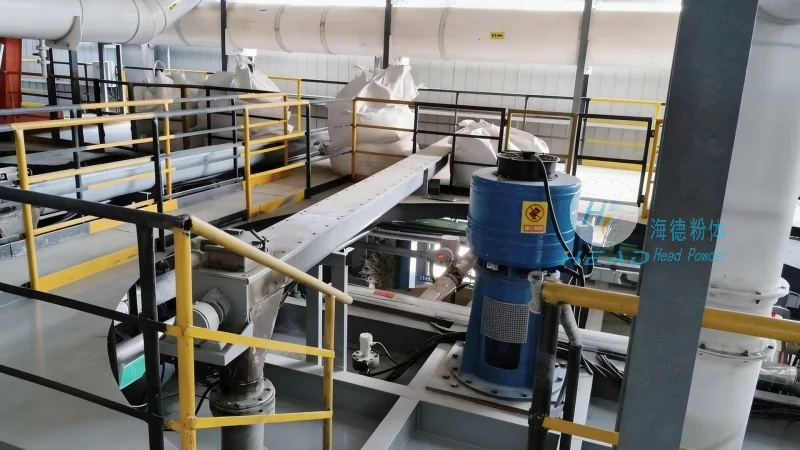
The Core Principles of Pneumatic Conveying for Industrial Salt
Pneumatic conveying relies on the movement of a conveying medium, typically air or other gases, to transport solid materials like industrial salt through a pipeline system. The process can be broadly categorized into two main types: dilute-phase and dense-phase conveying. Dilute-phase systems utilize high velocities of air to suspend the salt particles in the air stream, allowing them to travel through the pipeline with minimal pressure drops. Dense-phase systems operate at lower velocities, creating a slurry-like mixture of salt and air, which results in lower material degradation and better control over the conveying process. The choice between these two methods depends on factors such as the distance to be covered, the required material handling capacity, and the sensitivity of the industrial salt to air exposure.
Key Components of Industrial Salt Pneumatic Conveying Systems
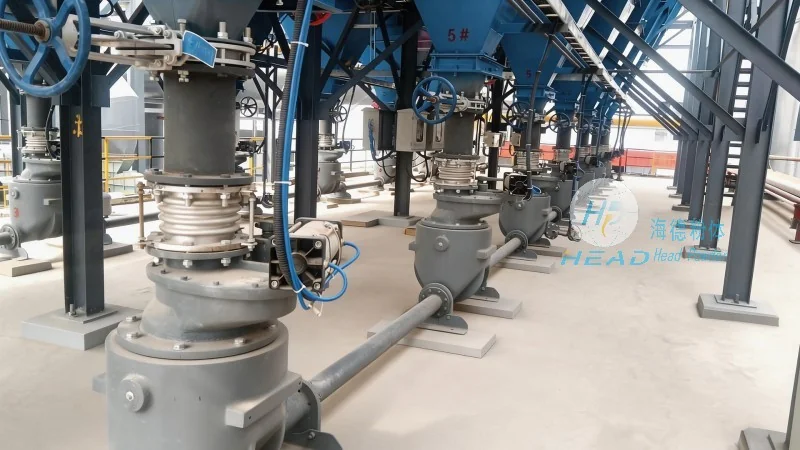
Industrial salt pneumatic conveying equipment typically consists of several critical components that work in tandem to ensure efficient material transport. The primary components include a material feeder, a conveying line, a separation system, and a dust collection unit. The material feeder is responsible for feeding the industrial salt into the conveying line at a controlled rate, preventing blockages and maintaining consistent flow. The conveying line, often made of stainless steel or other corrosion-resistant materials, is designed to withstand the abrasive nature of the salt and the pressure generated during operation. The separation system, which may include cyclones or filters, separates the salt from the air stream at the end of the line, ensuring that the material is deposited in the intended destination without losing any product. Finally, the dust collection unit captures any residual dust or particles, maintaining a clean and safe working environment.
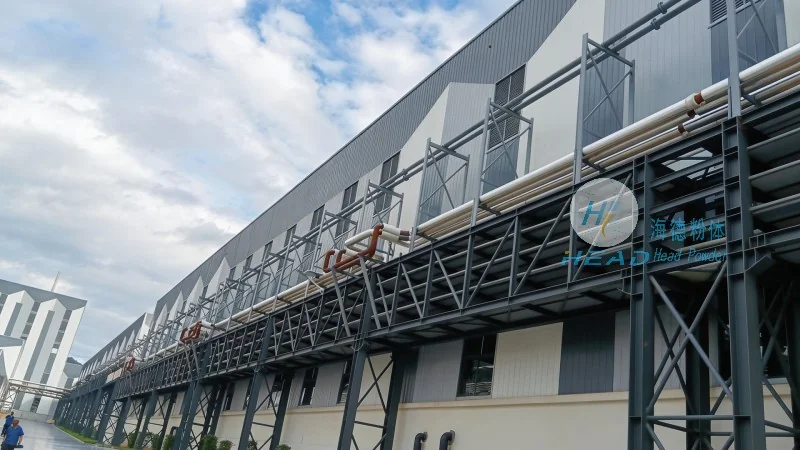
Operational Mechanisms and Process Flow
The operation of an industrial salt pneumatic conveying system involves a sequence of steps that ensure the material is transported from the source to the destination efficiently. The process begins with the industrial salt being fed into the material feeder, where it is converted into a fine powder or granules suitable for pneumatic transport. The feeder then introduces the salt into the conveying line, where it is mixed with the conveying medium (air). The air stream, generated by a blower or fan, propels the salt particles through the pipeline, maintaining a consistent velocity to prevent settling. As the mixture reaches the end of the line, the separation system separates the salt from the air, allowing the air to be recirculated or vented, while the salt is collected in a hopper or storage bin. This process is typically automated, with sensors and controls monitoring the flow rate, pressure, and temperature to ensure optimal performance and prevent system failures.
Advantages of Using Pneumatic Conveying for Industrial Salt
Compared to traditional mechanical conveying methods, such as belt conveyors or bucket elevators, pneumatic conveying offers several advantages when handling industrial salt. One of the most significant benefits is the ability to transport materials in a dust-free environment, which reduces the risk of respiratory issues for workers and minimizes contamination of other products. Additionally, pneumatic systems can handle a wide range of particle sizes and shapes, making them suitable for various types of industrial salt, including fine powders and coarse granules. The enclosed pipeline system also helps to prevent material loss and environmental pollution, which is crucial for compliance with environmental regulations. Furthermore, pneumatic conveying systems are more flexible in terms of layout, as they can be easily reconfigured to accommodate changes in production processes or facility expansions.

Applications of Industrial Salt Pneumatic Conveying Equipment
Industrial salt pneumatic conveying equipment is widely used in various industries due to its versatility and efficiency. In the chemical industry, it is used to transport salt for the production of sodium hydroxide, chlorine, and other chemicals. In the food industry, it is employed to handle salt for food processing, such as curing meats or adding flavor to products. The de-icing industry also relies on pneumatic conveying systems to transport salt for road and airport de-icing applications, ensuring safe and efficient winter maintenance. Additionally, in the mining and mineral processing sectors, industrial salt is used as a flux or reagent, and pneumatic conveying helps to transport it to processing plants with minimal loss and contamination.
About Shandong HeadPowder Engineering Co., Ltd.
Shandong HeadPowder Engineering Co., Ltd., operating under the brand name headpowder, is a leading manufacturer and supplier of industrial pneumatic conveying equipment. With a strong focus on innovation and quality, the company specializes in designing and manufacturing customized solutions for various bulk material handling applications, including industrial salt. Headpowder's team of experienced engineers and technicians works closely with clients to understand their specific needs and develop tailored systems that meet their operational requirements. The company's products are known for their durability, efficiency, and reliability, making them a trusted choice for industries that demand high-performance material handling solutions. Headpowder is committed to providing exceptional customer service and support, ensuring that clients receive the best possible solutions for their industrial salt conveying needs.