With more than 10‑year industry experience, Shandong Headpowder delivers full‑service pneumatic‑conveying systems and blowers, undertaking nationwide turn‑key powder‑handling projects.
When it comes to efficient and reliable material handling in the PVC industry, the choice of conveying system is critical. Pneumatic conveying technology has emerged as a preferred solution for transporting PVC materials due to its versatility, flexibility, and ability to handle a wide range of particle sizes and moisture content. This article explores the application and optimization of pneumatic conveying systems specifically tailored for PVC processing, highlighting the expertise of Shandong HeadPowder Engineering Co., Ltd. in designing and implementing advanced conveying solutions.
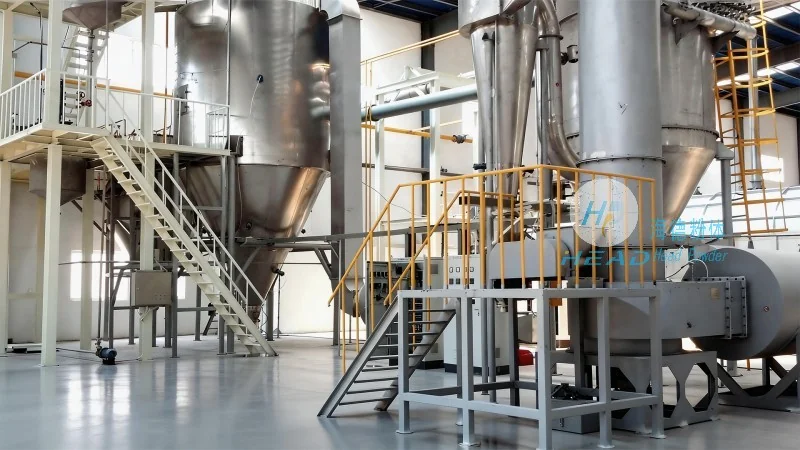
Pneumatic conveying systems utilize air or gas to transport bulk materials like PVC pellets, powders, or granules through a pipeline network. Unlike mechanical conveying methods, which rely on physical contact and friction, pneumatic systems offer a non-contact approach that minimizes product degradation and contamination. For PVC, which is sensitive to heat and friction, this characteristic is particularly advantageous. The technology can be categorized into two main types: dilute phase and dense phase, each offering distinct advantages depending on the material properties and process requirements.
Implementing pneumatic conveying in PVC production brings several key benefits that enhance operational efficiency and product quality. First, it reduces the risk of material degradation by eliminating direct contact with equipment surfaces, which is crucial for maintaining the polymer's integrity. Second, the system allows for seamless integration with existing production lines, enabling smooth material flow from storage to processing units. Third, pneumatic conveying systems are highly adaptable, capable of handling varying material characteristics such as moisture content, particle size distribution, and bulk density. This flexibility makes them suitable for diverse PVC applications, from raw material transport to finished product handling.
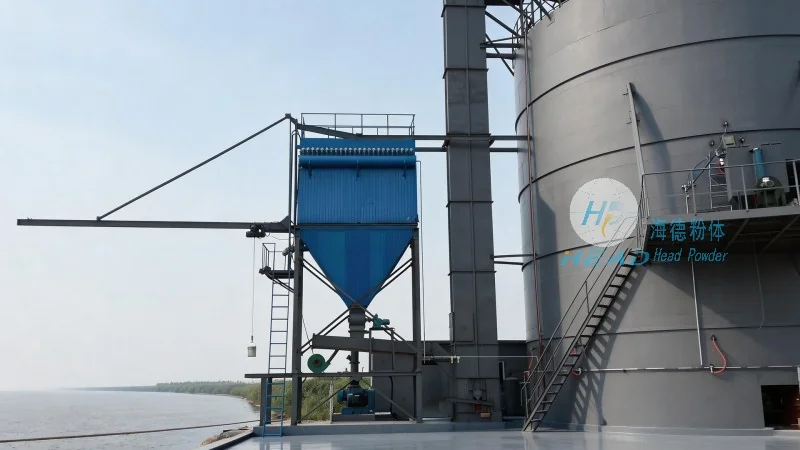
The success of a pneumatic conveying system for PVC depends heavily on careful design and optimization. Several critical factors must be considered to ensure efficient operation and minimal downtime. First, the selection of the appropriate conveying type—dilute phase or dense phase—depends on the material's flowability and the required transport distance. Dilute phase systems are ideal for short to medium distances and materials with good flow characteristics, while dense phase systems are preferred for longer distances or materials that tend to settle quickly. Second, the air velocity and pressure must be precisely controlled to prevent material blockages or excessive wear on system components. Third, the system's layout, including the number and placement of inlets, outlets, and bends, plays a vital role in maintaining consistent flow and preventing pressure drops that could lead to system failure.
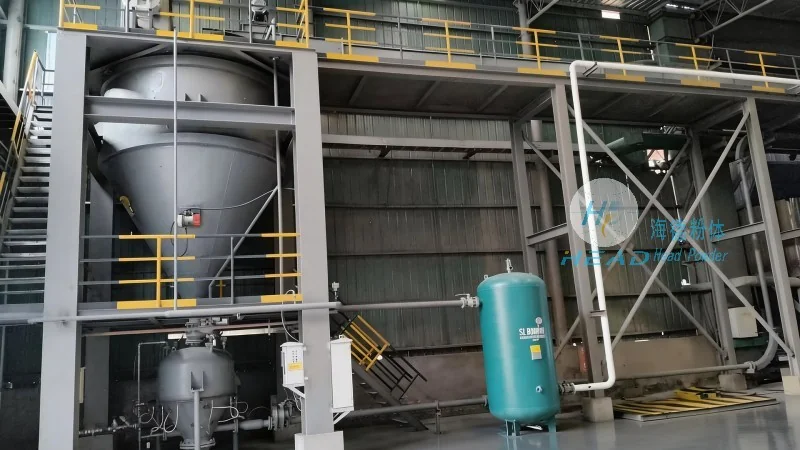
Shandong HeadPowder Engineering Co., Ltd. specializes in providing tailored pneumatic conveying solutions for the PVC industry. With years of experience in material handling and process engineering, HeadPowder understands the unique challenges of PVC processing and designs systems that address these challenges effectively. The company's team of engineers leverages advanced design software and industry best practices to develop customized solutions that meet the specific needs of each client. From initial consultation and system design to installation and commissioning, HeadPowder ensures that every aspect of the conveying system is optimized for maximum performance and reliability.
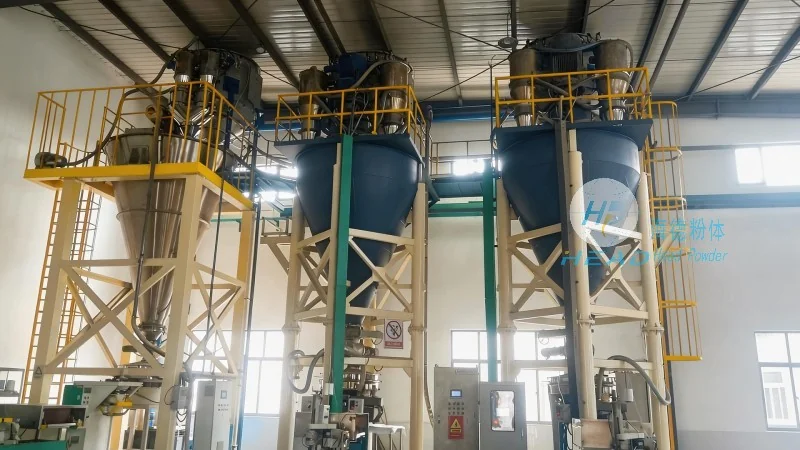
HeadPowder's pneumatic conveying systems have been successfully implemented in various PVC processing facilities across China. For instance, a major PVC manufacturer in Shandong province implemented a dilute phase pneumatic system to transport PVC pellets from storage silos to the extrusion line. The system was designed to handle high volumes of material while maintaining low pressure drops, resulting in a 20% reduction in energy consumption compared to traditional mechanical conveying methods. Another client, a PVC pipe manufacturer, opted for a dense phase system to transport fine PVC powders over a longer distance. The system's ability to maintain consistent material flow and prevent clogging ensured uninterrupted production, leading to increased output and reduced maintenance costs.
Pneumatic conveying technology continues to be a cornerstone of efficient PVC material handling, and its optimization remains a key focus for industry leaders. As the PVC industry evolves, the demand for more sustainable and efficient conveying solutions will only increase. Companies like Shandong HeadPowder Engineering Co., Ltd. are at the forefront of developing advanced pneumatic systems that meet these evolving needs, combining traditional expertise with modern technology to deliver reliable and cost-effective solutions. By investing in optimized pneumatic conveying systems, PVC manufacturers can enhance their operational efficiency, improve product quality, and gain a competitive edge in the market.

 Shandong Headpowder Engineering Co., Ltd.
 156-6277-7102(Manager Zhang)
  0531-83386006
  Zhangqiu District, Jinan City, Shandong Province, China
telephone
WeChatconsult
top