With more than 10‑year industry experience, Shandong Headpowder delivers full‑service pneumatic‑conveying systems and blowers, undertaking nationwide turn‑key powder‑handling projects.
HeadPowder, a leading engineering firm based in Shandong, China, specializes in the design, manufacturing, and implementation of advanced pneumatic conveying systems for limestone and other bulk materials. This article delves into the fundamental principles behind limestone pneumatic conveying, exploring how these systems efficiently transport limestone from storage to processing facilities while maintaining material integrity and operational efficiency.
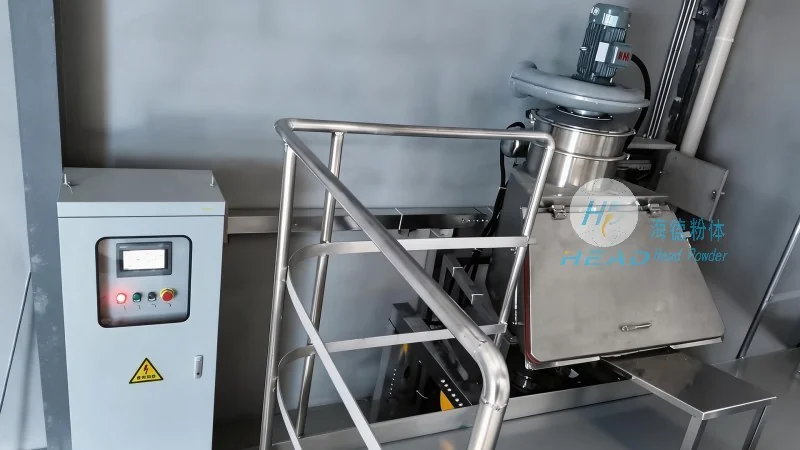
The limestone pneumatic conveying system operates on the principle of transporting bulk materials through a pipeline using a gas stream, typically air or a combination of air and other gases. The system comprises several key components, including a material feeder, a conveying pipeline, a pressure vessel or receiver, and a control system. The material feeder, often a rotary valve or a screw feeder, introduces limestone into the pipeline at a controlled rate. The air is then supplied by a blower or compressor, creating a high-velocity airflow that propels the limestone particles through the pipeline. The pressure vessel or receiver collects the conveyed limestone, allowing for further processing or storage.
There are primarily two types of pneumatic conveying systems used for limestone: dilute-phase and dense-phase. Dilute-phase systems operate at higher air velocities, typically 20-30 meters per second, and are suitable for short to medium-distance transport. They are cost-effective for low to medium capacity applications. Dense-phase systems, on the other hand, use lower air velocities (5-15 meters per second) and higher material-to-air ratios, resulting in a more stable and controlled flow. This type is ideal for longer distances and for materials that are prone to degradation or segregation during transport.
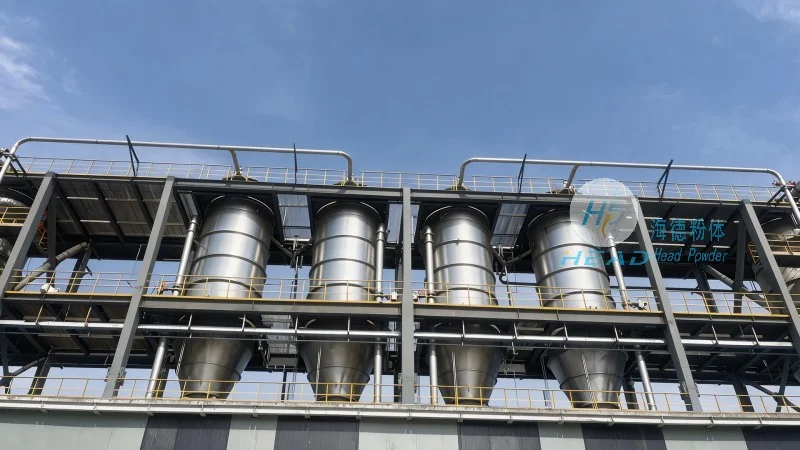
HeadPowder's limestone pneumatic conveying systems are engineered with several technical features that enhance performance and reliability. One of the primary advantages is the ability to maintain the physical and chemical properties of limestone during transport, which is crucial for applications in cement production, flue gas desulfurization, and other industrial processes. The systems are designed to minimize material degradation, dust generation, and product loss, ensuring high material recovery rates. Additionally, the pneumatic conveying process is highly flexible, allowing for changes in material flow rates and destinations without significant modifications to the system infrastructure.
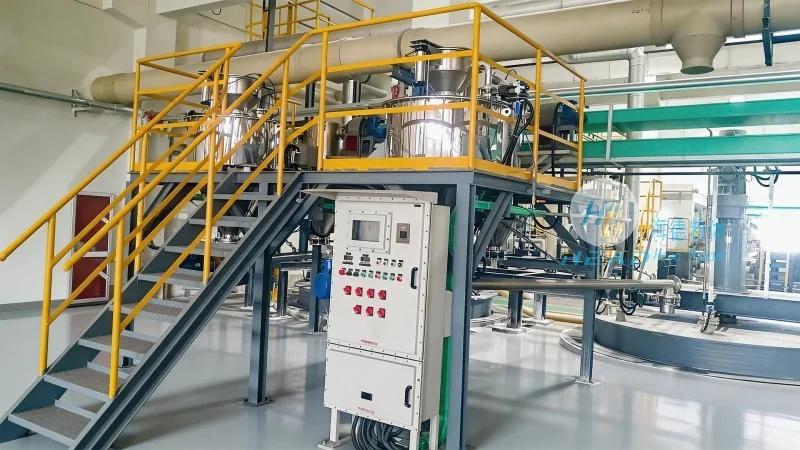
Limestone pneumatic conveying systems are widely used in various industrial sectors, particularly in the cement industry where limestone is a primary raw material. The systems efficiently transport limestone from quarries or storage silos to cement production plants, reducing the need for traditional truck or belt conveyor transport. This not only improves operational efficiency but also minimizes environmental impact by reducing dust emissions and traffic congestion. In flue gas desulfurization (FGD) systems, limestone is used as a sorbent to remove sulfur dioxide from exhaust gases. Pneumatic conveying systems ensure a consistent and reliable supply of limestone to the FGD reactors, contributing to the effectiveness of the desulfurization process.
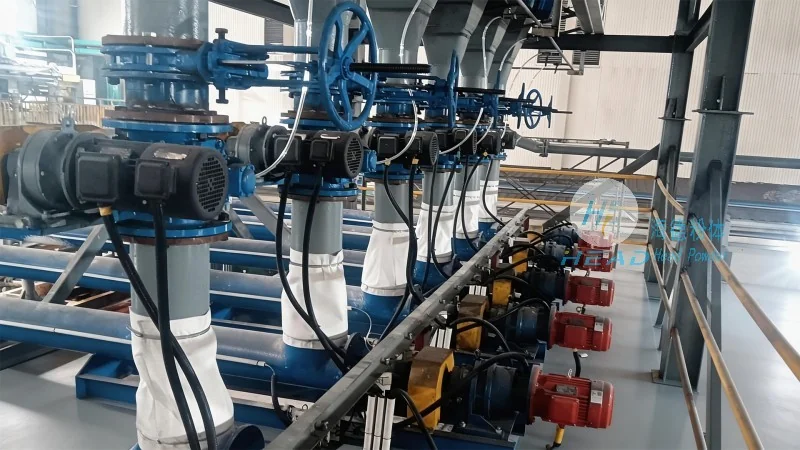
HeadPowder offers customized pneumatic conveying solutions tailored to the specific needs of each client. The company's engineers work closely with clients to assess their material characteristics, transport distances, and operational requirements to design a system that optimizes performance and cost. Customization may include adjustments to the conveying velocity, material feed rate, and system layout to accommodate unique site conditions or production demands. The systems are also designed for easy integration with existing plant infrastructure, minimizing downtime during installation and commissioning.
Proper maintenance is essential to ensure the long-term reliability and efficiency of limestone pneumatic conveying systems. Regular inspections of components such as the blower, pipeline, and material feeder are crucial to prevent wear and tear. The control system plays a vital role in monitoring and adjusting the system parameters in real-time, ensuring optimal performance. HeadPowder provides comprehensive maintenance services and technical support to help clients maintain their systems in top condition, reducing downtime and extending the lifespan of the equipment.

 Shandong Headpowder Engineering Co., Ltd.
 156-6277-7102(Manager Zhang)
  0531-83386006
  Zhangqiu District, Jinan City, Shandong Province, China
telephone
WeChatconsult
top