With more than 10‑year industry experience, Shandong Headpowder delivers full‑service pneumatic‑conveying systems and blowers, undertaking nationwide turn‑key powder‑handling projects.
For industries involved in the production of cement, the efficient and reliable transport of raw materials is a critical factor in maintaining production efficiency and reducing operational costs. Among the various methods available for bulk material handling, pneumatic conveying stands out as a highly effective solution, especially when dealing with cement raw materials such as limestone, clay, and iron ore. This article explores the application of pneumatic conveying systems in the bulk transport of cement raw materials, highlighting the advantages, technical considerations, and the role of specialized engineering companies like Shandong HeadPowder Engineering Co., Ltd. in implementing these systems.
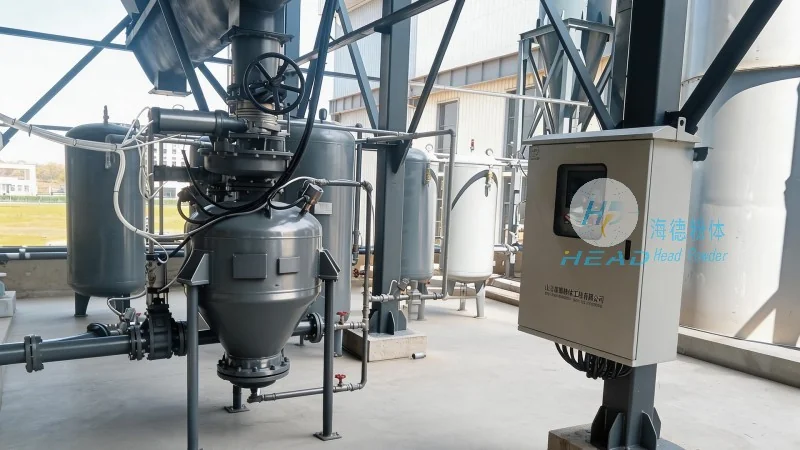
Pneumatic conveying, also known as pneumatic transport, is a method of moving bulk materials through a pipeline using air or gas as the conveying medium. In the context of cement production, this technology is employed to transport raw materials from storage silos or quarries to the grinding and mixing stages of the cement manufacturing process. The system typically consists of a series of components, including a material feeder, a conveying pipeline, a dust collector, and a discharge device. The raw materials are introduced into the system and carried by a stream of air, which can be either positive pressure (where air is blown into the pipeline) or negative pressure (where air is drawn out of the pipeline). This method offers several advantages over traditional methods like belt conveyors or bucket elevators, including reduced space requirements, lower maintenance costs, and the ability to handle materials with high moisture content or abrasive properties.
Shandong HeadPowder Engineering Co., Ltd., commonly known as HeadPowder, is a leading provider of engineering solutions for bulk material handling in the cement industry. With a strong focus on pneumatic conveying systems, the company specializes in designing, manufacturing, and installing customized solutions tailored to the specific needs of cement plants. HeadPowder's expertise lies in understanding the unique challenges of cement raw material transport, such as the high abrasiveness of limestone and the need for precise control over material flow and moisture content. The company's engineers work closely with clients to assess their production requirements, site conditions, and material characteristics, then develop a comprehensive system design that maximizes efficiency and minimizes downtime.
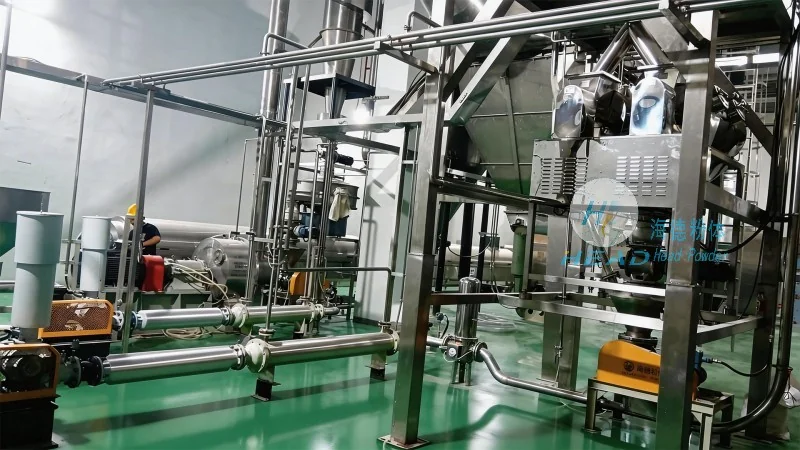
Effective pneumatic conveying systems for cement raw materials rely on several key components, each playing a crucial role in the overall performance of the system. The material feeder is responsible for introducing the raw material into the conveying pipeline at a consistent rate, ensuring smooth and continuous operation. This component is often designed with features such as a rotary valve or a screw feeder to control the flow of material and prevent blockages. The conveying pipeline, typically made of high-strength steel or plastic, must be able to withstand the abrasive nature of cement raw materials and the pressure differentials created by the air flow. The pipeline layout is carefully planned to minimize bends and changes in direction, as these can cause pressure losses and material degradation. A dust collector is an essential part of the system, as it captures and removes airborne particles to maintain air quality and prevent contamination of the material. The discharge device, located at the end of the pipeline, ensures that the material is released in a controlled manner, often into a storage silo or a processing unit.
Compared to traditional bulk handling methods, pneumatic conveying offers several distinct advantages that make it an attractive choice for cement plants. One of the primary benefits is the reduction in space requirements, as the system can be installed in a compact footprint compared to large belt conveyors or bucket elevators. This is particularly important in existing cement plants where space is limited. Another advantage is the lower maintenance costs, as pneumatic systems have fewer moving parts and require less frequent maintenance compared to mechanical conveyors. Additionally, pneumatic conveying allows for better control over material flow and moisture content, which is critical for maintaining the quality of the cement product. The system can also handle materials with high moisture content or varying particle sizes without causing blockages or degradation, which is often a problem with other transport methods.
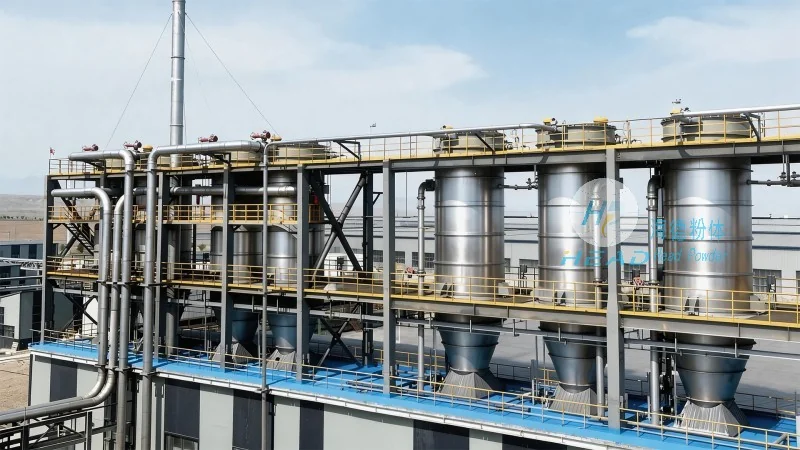
HeadPowder's pneumatic conveying systems are designed to be fully integrated with the existing cement production processes, ensuring seamless operation and minimal disruption to the plant's workflow. The company's engineers work closely with clients to understand the specific requirements of their production line, including the capacity, material characteristics, and operational constraints. This allows for the development of a customized system that meets the exact needs of the client. For example, in a cement plant, the pneumatic conveying system may be integrated with the raw material storage silos, the grinding mill, and the clinker storage, creating a continuous flow of materials from quarry to finished product. The system can also be equipped with sensors and controls that monitor the flow rate, pressure, and temperature, providing real-time data to operators and enabling proactive maintenance and troubleshooting.
In conclusion, pneumatic conveying is a highly effective and efficient method for the bulk transport of cement raw materials, offering significant advantages over traditional handling methods. The implementation of such systems requires specialized engineering expertise and careful planning, which is where companies like Shandong HeadPowder Engineering Co., Ltd. play a crucial role. By leveraging their experience and technical capabilities, HeadPowder helps cement plants improve their operational efficiency, reduce costs, and maintain the quality of their products. As the cement industry continues to evolve, the demand for advanced bulk material handling solutions will only increase, and pneumatic conveying will remain a key technology in meeting these challenges.

 Shandong Headpowder Engineering Co., Ltd.
 156-6277-7102(Manager Zhang)
  0531-83386006
  Zhangqiu District, Jinan City, Shandong Province, China
telephone
WeChatconsult
top