With more than 10‑year industry experience, Shandong Headpowder delivers full‑service pneumatic‑conveying systems and blowers, undertaking nationwide turn‑key powder‑handling projects.
For industrial applications that require efficient and reliable transportation of abrasive materials like grit, the design of an air-flow conveying system is crucial. This article introduces the design principles and key components of a grit air-flow conveying device, highlighting its application in various industrial sectors and the engineering considerations that ensure optimal performance.
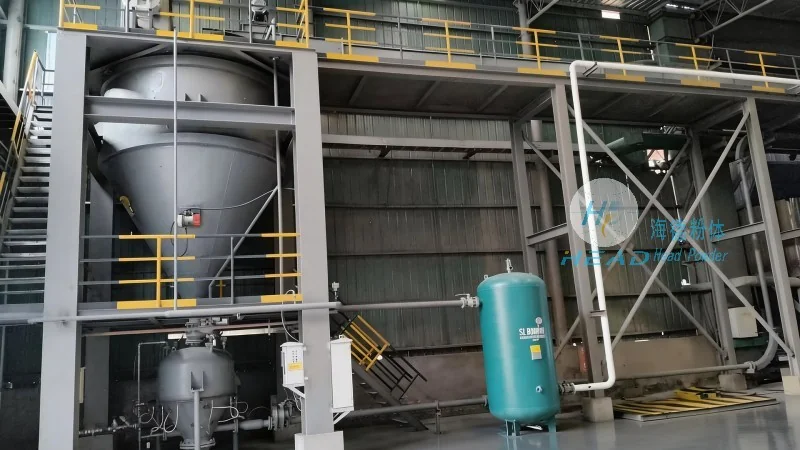
The grit air-flow conveying system comprises several essential components that work in tandem to achieve effective material transport. The primary elements include the hopper for material storage, the air compressor or blower that generates the airflow, the conveying pipe network, and the discharge unit where the material is released. Each component is engineered to withstand the abrasive nature of grit, ensuring durability and long-term operation.
When designing a grit air-flow conveying system, several factors must be considered to maximize efficiency and minimize operational issues. Material properties, such as particle size, density, and abrasiveness, play a critical role in determining the appropriate air velocity and pipe diameter. The system's layout, including the vertical and horizontal runs of the conveying pipe, affects the overall pressure drop and energy consumption. Additionally, the selection of materials for the hopper and discharge unit is vital to prevent wear and tear from the abrasive grit.
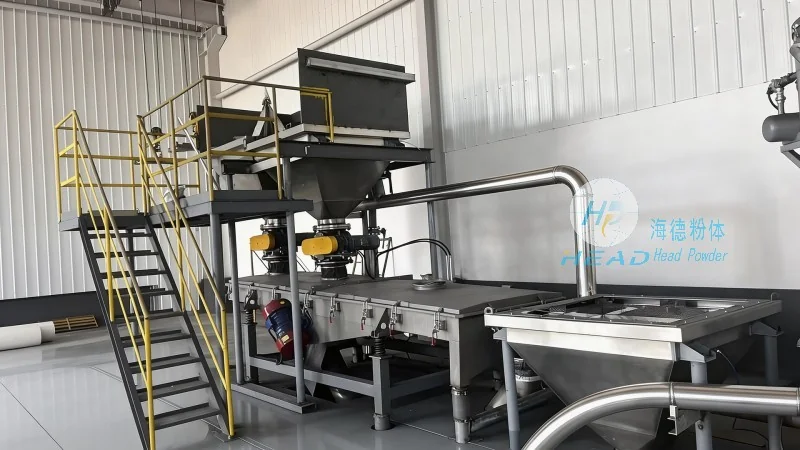
Compared to traditional mechanical conveying methods, the grit air-flow conveying system offers several advantages. It eliminates the need for moving parts in the conveying line, reducing maintenance requirements and downtime. The system is also highly flexible, allowing for changes in the conveying route without major modifications. Furthermore, it can handle a wide range of particle sizes and densities, making it suitable for diverse industrial applications. The energy efficiency of the system, particularly with modern air compressors, contributes to lower operational costs over time.
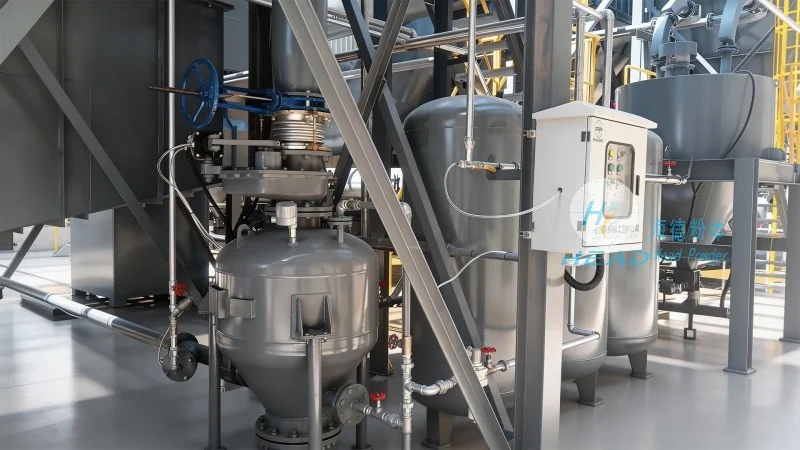
The grit air-flow conveying system is widely used in industries that handle abrasive materials, including construction, mining, and manufacturing. In construction, it is used to transport sand, gravel, and other aggregates to different parts of a site. In mining operations, it helps move crushed ore and rock from processing plants to storage areas. In manufacturing, it is employed in the production of concrete, asphalt, and other building materials, where consistent material quality is essential. The system's ability to handle high volumes of material while maintaining low maintenance costs makes it a preferred choice in these sectors.
Shandong HeadPowder Engineering Co., Ltd., a leading manufacturer in the field, specializes in the design and production of grit air-flow conveying systems. With years of experience in industrial engineering, the company has developed advanced solutions that meet the specific needs of various industries. The company's team of engineers uses state-of-the-art technology and rigorous testing to ensure that each system is tailored to the customer's requirements. The manufacturing process adheres to international quality standards, ensuring the durability and reliability of the equipment. HeadPowder's commitment to innovation and customer satisfaction has made it a trusted partner for businesses seeking efficient material handling solutions.

 Shandong Headpowder Engineering Co., Ltd.
 156-6277-7102(Manager Zhang)
  0531-83386006
  Zhangqiu District, Jinan City, Shandong Province, China
telephone
WeChatconsult
top