With more than 10‑year industry experience, Shandong Headpowder delivers full‑service pneumatic‑conveying systems and blowers, undertaking nationwide turn‑key powder‑handling projects.
Phosphate iron, a critical material in modern industrial applications, requires efficient and reliable handling systems to ensure smooth production processes. The design of a pneumatic conveying system for phosphate iron is a specialized field that combines engineering principles with material science to optimize performance. This article explores the key aspects of designing such a system, focusing on the technical considerations and practical applications that are essential for industrial success.
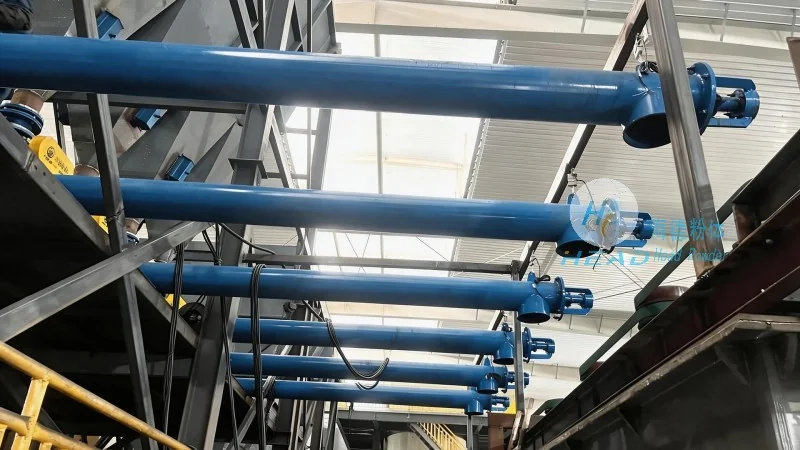
The pneumatic conveying system for phosphate iron typically consists of several core components that work in tandem to transport the material from one location to another. These components include a hopper for material storage, a feeder to control the flow rate, a conveying line (often equipped with pressure vessels or ducts), and a receiver for the discharged material. Each component plays a crucial role in maintaining the integrity of the phosphate iron and ensuring efficient transport. The hopper is designed to minimize material degradation by preventing agglomeration and providing a controlled feed. The feeder, such as a rotary valve or a screw feeder, regulates the material flow based on the system's requirements. The conveying line, which may use positive or negative pressure, is engineered to handle the specific properties of phosphate iron, including its particle size, density, and moisture content. The receiver, often a silo or a storage tank, collects the conveyed material and prepares it for subsequent processing. The integration of these components is critical to the overall efficiency and reliability of the system.
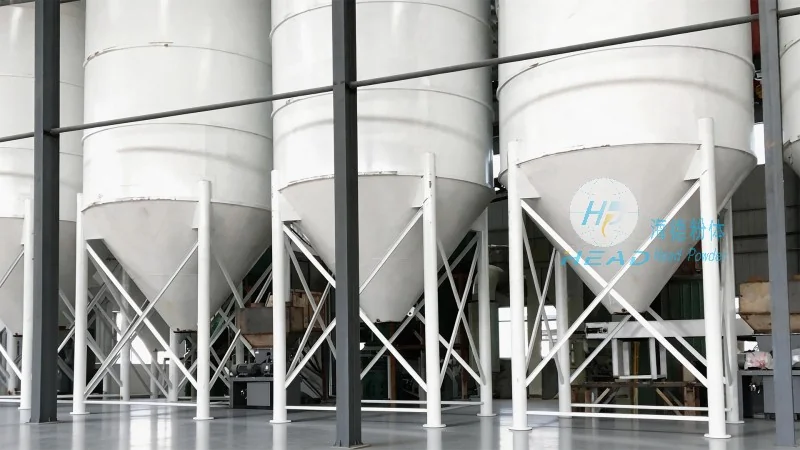
When designing a pneumatic conveying system for phosphate iron, several factors must be carefully considered to ensure optimal performance. The first consideration is the material's physical properties, such as particle size distribution, bulk density, and moisture content. These properties directly impact the system's design, including the type of feeder, the conveying velocity, and the pressure requirements. For example, fine-grained phosphate iron may require higher conveying velocities to prevent particle segregation or deposition in the ducts. The system must also account for the material's chemical stability, as phosphate iron can be sensitive to moisture and temperature changes. Proper sealing and moisture control are essential to prevent material degradation and maintain product quality. Additionally, the system's capacity and throughput must be matched to the production requirements, ensuring that the conveying rate can meet the demands of the downstream processes. The design must also consider the environmental factors, such as dust control and noise reduction, to comply with industrial regulations and maintain a safe working environment.
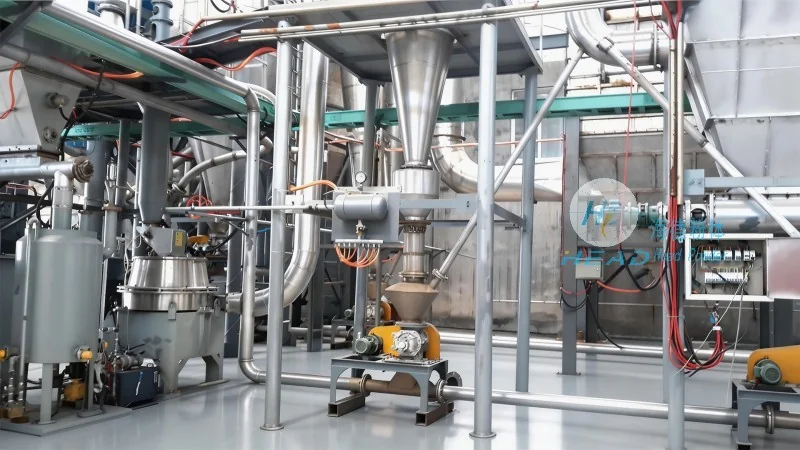
Compared to traditional mechanical conveying methods, pneumatic conveying offers several advantages for handling phosphate iron. One of the primary benefits is the ability to transport the material in a closed system, which minimizes dust emissions and improves workplace safety. This is particularly important for phosphate iron, which can generate fine particles that are hazardous if released into the air. The closed system also helps maintain the material's quality by preventing contamination from external sources. Another advantage is the flexibility of the system, as it can be easily adjusted to handle different material types or production rates. The system can be scaled up or down to meet changing production needs, making it a cost-effective solution for industrial applications. Furthermore, pneumatic conveying reduces the need for manual handling, which improves operational efficiency and reduces labor costs. The system can also be integrated with other processing equipment, such as mixers or reactors, to create a seamless production line. Overall, the advantages of pneumatic conveying make it an ideal choice for handling phosphate iron in various industrial settings.
Shandong HeadPowder Engineering Co., Ltd., a leading manufacturer of industrial conveying systems, has successfully implemented a pneumatic conveying system for phosphate iron in a large-scale production facility. The system was designed to transport phosphate iron from a storage silo to a processing plant, covering a distance of approximately 200 meters. The system was equipped with a rotary valve feeder, a positive pressure conveying line, and a silo receiver. The design was based on the material's particle size (ranging from 0.1 to 2 mm) and bulk density (approximately 1.5 g/cm³). The conveying velocity was set at 20 m/s, which ensured efficient transport without causing excessive wear on the system components. The system's capacity was 10 tons per hour, meeting the production requirements of the facility. The implementation of the system resulted in significant improvements in operational efficiency, as the material was transported without the need for manual handling or mechanical conveyors. The closed system also reduced dust emissions by 90%, improving workplace safety and compliance with environmental regulations. The success of this project highlights the effectiveness of pneumatic conveying systems in handling phosphate iron and the expertise of Shandong HeadPowder Engineering Co., Ltd. in designing and implementing such systems.
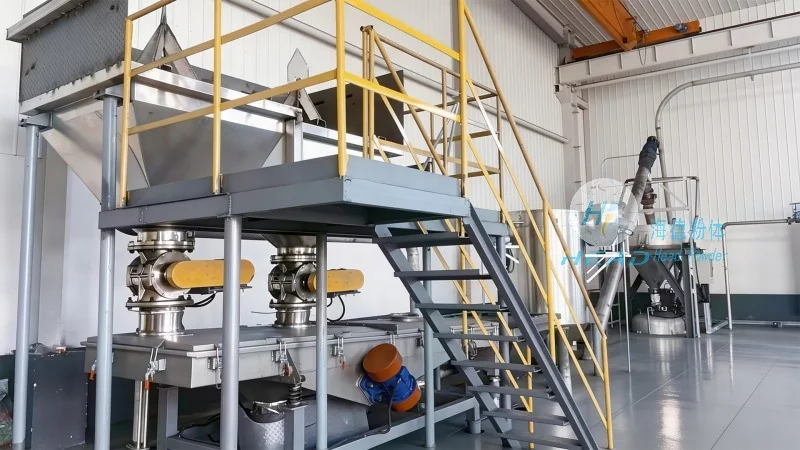
The design of a pneumatic conveying system for phosphate iron is a complex but essential process that requires careful consideration of material properties, system components, and operational requirements. The system must be optimized to ensure efficient transport, maintain material quality, and comply with industrial regulations. The advantages of pneumatic conveying, including dust control, flexibility, and reduced labor costs, make it a preferred choice for handling phosphate iron in various industrial applications. As industrial demands continue to evolve, the design of pneumatic conveying systems will likely incorporate advanced technologies, such as automation and real-time monitoring, to further improve performance and efficiency. Shandong HeadPowder Engineering Co., Ltd. remains committed to providing innovative and reliable solutions for phosphate iron handling, leveraging its expertise and experience to meet the evolving needs of the industry. The future of pneumatic conveying for phosphate iron looks promising, with continued advancements in technology and design that will enhance the efficiency and sustainability of industrial operations.

 Shandong Headpowder Engineering Co., Ltd.
 156-6277-7102(Manager Zhang)
  0531-83386006
  Zhangqiu District, Jinan City, Shandong Province, China
telephone
WeChatconsult
top