With more than 10‑year industry experience, Shandong Headpowder delivers full‑service pneumatic‑conveying systems and blowers, undertaking nationwide turn‑key powder‑handling projects.
When designing a pneumatic conveying system for sodium hydroxide, several critical factors must be considered to ensure efficient, safe, and reliable operation. This article outlines key design considerations, focusing on the technical and operational aspects that are essential for successful implementation.
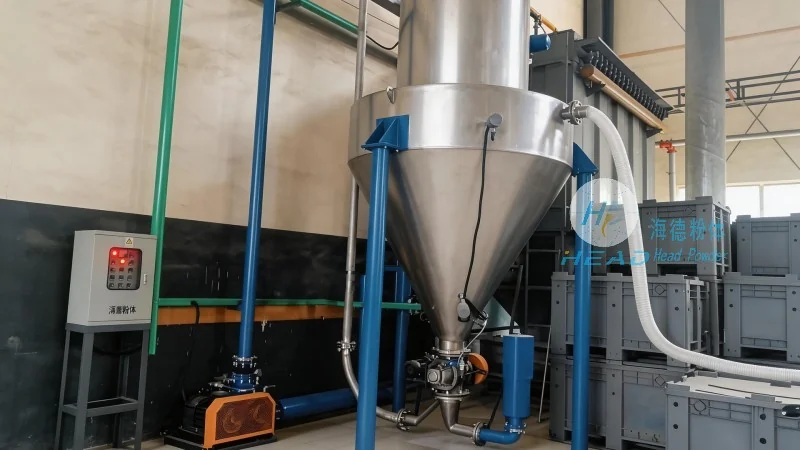
HeadPowder, a leading engineering firm based in Shandong, China, specializes in the design and implementation of advanced material handling systems. With years of experience in the chemical processing industry, HeadPowder provides tailored solutions for handling caustic materials like sodium hydroxide. The company’s expertise in pneumatic conveying technology ensures that systems are optimized for performance, safety, and durability.
The design of a sodium hydroxide pneumatic conveying system involves multiple variables that impact system efficiency and longevity. One of the primary considerations is the material’s physical properties, such as its density, flowability, and moisture content. Sodium hydroxide is a highly reactive and corrosive substance, which necessitates the use of materials that can withstand its chemical exposure. Stainless steel or specialized alloys are commonly used for system components to prevent corrosion and ensure long-term reliability.
Another critical factor is the system’s air flow rate and pressure. The velocity of the air stream must be sufficient to transport the material without causing excessive wear on the system components. Proper air flow management is essential to maintain consistent material transport and prevent blockages or system failures. HeadPowder engineers carefully calculate the required air velocity and pressure based on the material’s characteristics and the system’s layout.
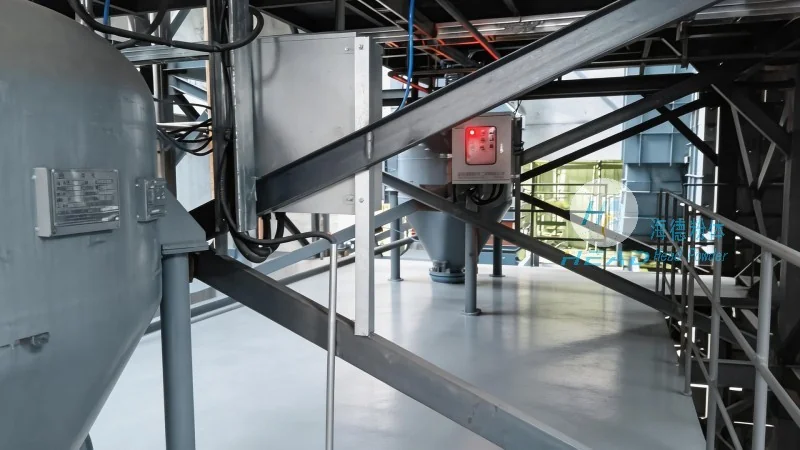
The layout of the pneumatic conveying system is another key design consideration. The system typically includes a hopper, feeder, air compressor, conveying line, and receiver. The hopper must be designed to store the sodium hydroxide safely, with proper venting to prevent pressure buildup. The feeder, often a rotary valve or screw feeder, controls the material flow into the conveying line. The air compressor provides the necessary pressure to move the material through the system, and the conveying line must be sized appropriately to handle the material’s flow characteristics.
HeadPowder’s design process involves detailed calculations and simulations to optimize the system layout. This includes determining the optimal length and diameter of the conveying line, as well as the placement of bends and transitions. Properly designed components and layout minimize energy consumption and maximize material throughput, ensuring the system operates efficiently over its lifespan.
Safety is a paramount concern when handling sodium hydroxide, a caustic and hazardous material. The pneumatic conveying system must be designed to comply with relevant safety regulations and standards. This includes proper ventilation to prevent the accumulation of fumes, emergency shut-off systems, and protective equipment for personnel. HeadPowder incorporates safety features into the system design to mitigate risks and ensure compliance with industry standards.
Additionally, the system must be designed to handle potential issues such as material buildup or blockages. HeadPowder’s systems include features like automatic cleaning mechanisms and monitoring systems to detect and address issues promptly. These measures enhance the system’s reliability and reduce downtime, ensuring continuous operation.
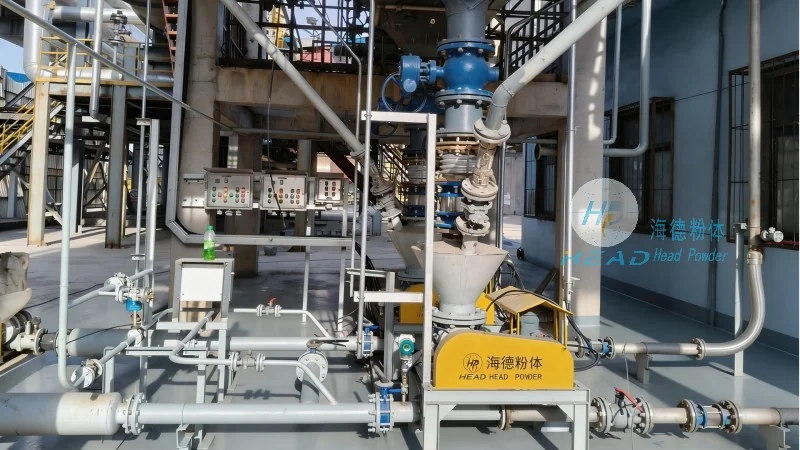
Energy efficiency is a key consideration in the design of any pneumatic conveying system. HeadPowder focuses on optimizing the system to minimize energy consumption while maintaining performance. This includes selecting the appropriate air compressor, using efficient conveying lines, and implementing control systems that adjust air flow based on material demand. By reducing energy usage, the system not only lowers operational costs but also contributes to environmental sustainability.
Maintenance is another critical aspect of system design. HeadPowder designs systems with easy access to components for maintenance and repair. This includes removable sections of the conveying line, accessible valves, and clear monitoring points. Regular maintenance is essential to ensure the system operates at peak performance and to extend its lifespan. HeadPowder provides maintenance services and support to help clients keep their systems in optimal condition.
Designing a sodium hydroxide pneumatic conveying system requires careful consideration of material properties, system components, safety, and energy efficiency. HeadPowder, with its expertise in chemical processing and material handling, provides comprehensive solutions that address these critical factors. By adhering to best practices and leveraging advanced engineering techniques, HeadPowder ensures that its systems deliver reliable, efficient, and safe operation for clients in the chemical industry.

 Shandong Headpowder Engineering Co., Ltd.
 156-6277-7102(Manager Zhang)
  0531-83386006
  Zhangqiu District, Jinan City, Shandong Province, China
telephone
WeChatconsult
top