With more than 10‑year industry experience, Shandong Headpowder delivers full‑service pneumatic‑conveying systems and blowers, undertaking nationwide turn‑key powder‑handling projects.
Polycarbonate powder conveying systems are essential in industrial applications where the efficient and reliable transport of polycarbonate powders is required. These systems are designed to handle the unique properties of polycarbonate, such as its chemical resistance, high impact strength, and thermal stability, ensuring optimal performance in various processing environments. The following overview provides a detailed look at the components, operational principles, and key features of a typical polycarbonate powder conveying system, highlighting the engineering solutions offered by Shandong HeadPowder Engineering Co., Ltd. (referred to as HeadPowder).
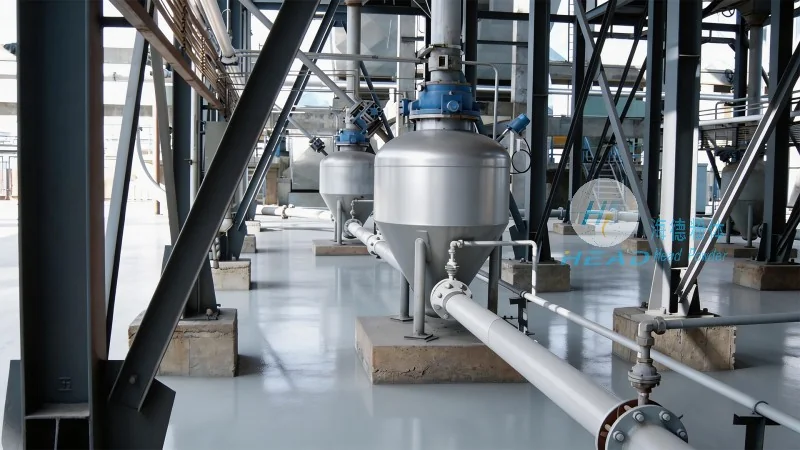
The structure of a polycarbonate powder conveying system typically consists of several interconnected components that work in tandem to ensure smooth material handling. The primary components include a hopper for material storage, a feeder mechanism to control the flow rate, a conveying pipeline (often made of materials compatible with polycarbonate, such as stainless steel or specialized polymers), and a discharge unit for delivering the powder to the processing equipment. Each component is carefully selected and engineered to minimize material degradation and ensure consistent performance.
HeadPowder specializes in the design and manufacturing of these components, focusing on durability and compatibility with polycarbonate. The hoppers are often equipped with anti-static features to prevent powder buildup and ensure safe operation. The feeder systems may utilize screw conveyors, rotary valves, or vibratory feeders, depending on the specific application requirements. The conveying pipelines are designed with smooth internal surfaces to reduce friction and prevent particle attrition, which is crucial for maintaining the quality of the polycarbonate powder.
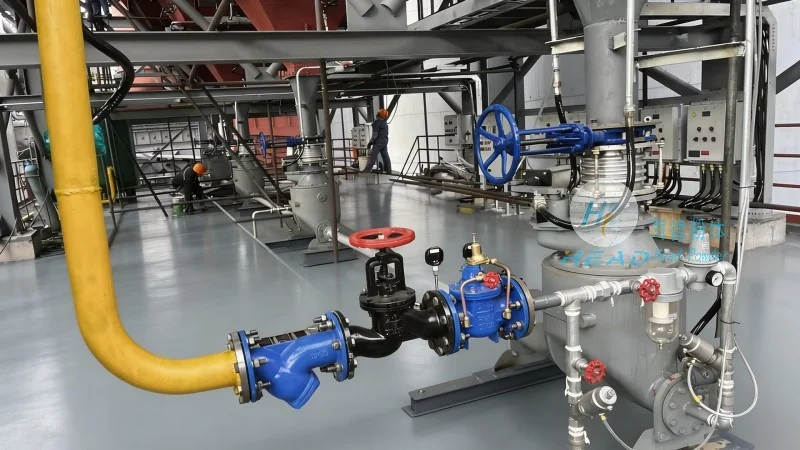
The operational principle of a polycarbonate powder conveying system involves the controlled movement of powder from the storage hopper to the processing equipment. The process begins with the material being fed from the hopper into the feeder. The feeder then regulates the flow rate, ensuring a consistent and controlled supply of powder to the conveying pipeline. The conveying mechanism, which may include pneumatic or mechanical systems, propels the powder through the pipeline to the discharge point. Pneumatic conveying systems use compressed air to create a flow of air and powder, while mechanical systems rely on screw or belt mechanisms to move the material.
HeadPowder’s systems are engineered to optimize the conveying efficiency by balancing the flow rate and pressure. The use of appropriate air velocities and pipeline diameters minimizes the risk of blockages and ensures that the polycarbonate powder is transported without degradation. The discharge unit, such as a rotary valve or a venturi system, controls the release of the powder into the processing equipment, preventing backflow and maintaining a stable flow.
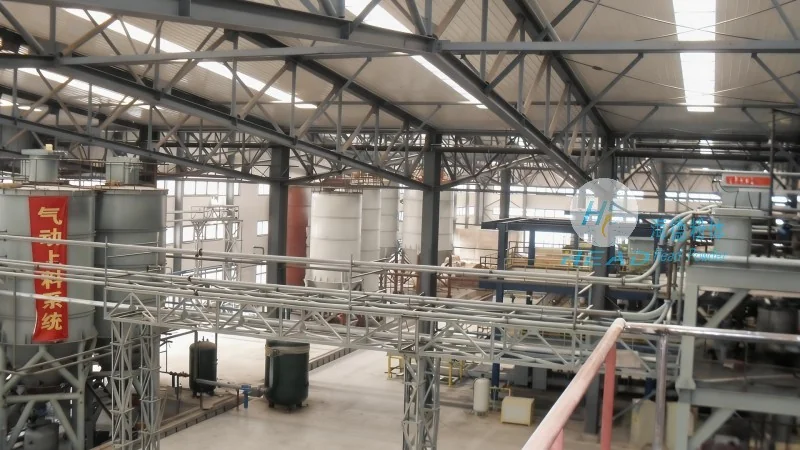
Polycarbonate powder conveying systems offer several advantages that make them suitable for industrial applications. One of the key features is the ability to handle fine powders without causing clogging or degradation. The smooth internal surfaces of the conveying pipelines reduce friction, preventing the polycarbonate particles from breaking down or adhering to the pipe walls. This is particularly important for maintaining the mechanical properties of the polycarbonate, as particle size and integrity are critical factors in downstream processing.
Another advantage is the system’s adaptability to various processing environments. HeadPowder’s systems can be customized to meet specific operational requirements, including different flow rates, pressure levels, and material handling capacities. The use of stainless steel or corrosion-resistant materials ensures durability and longevity, even in harsh industrial conditions. Additionally, the systems are designed with safety features, such as pressure relief valves and anti-static measures, to ensure safe operation and prevent accidents.
Polycarbonate powder conveying systems are widely used in various industries, including automotive, electronics, and construction. In the automotive industry, these systems are used to transport polycarbonate powders for the manufacturing of parts such as bumpers, lenses, and interior components. The high impact resistance and optical clarity of polycarbonate make it an ideal material for these applications, and the conveying systems ensure that the material is delivered in a consistent and high-quality state.
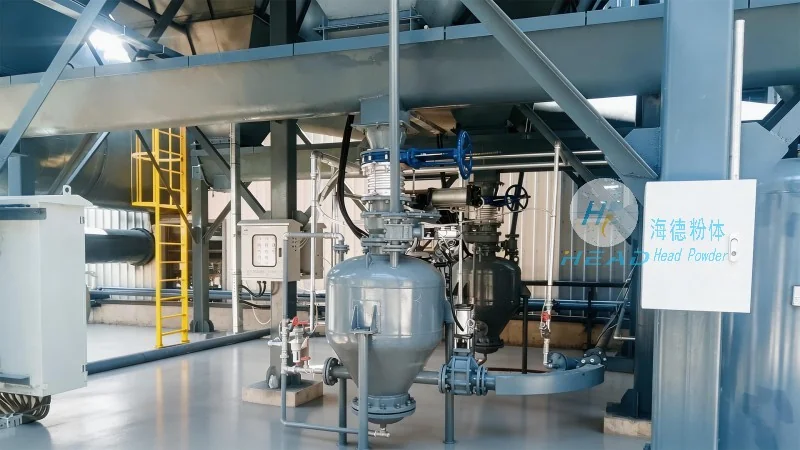
In the electronics industry, polycarbonate is used for the production of components such as housings, casings, and connectors. The conveying systems help in efficiently moving the powder to the molding or extrusion equipment, ensuring that the material is processed without contamination or degradation. In the construction industry, polycarbonate is used for the manufacturing of windows, skylights, and other architectural components. The conveying systems play a crucial role in transporting the powder to the processing equipment, ensuring that the final products meet the required specifications.
Polycarbonate powder conveying systems are critical for the efficient and reliable handling of polycarbonate powders in industrial settings. The structure and working principles of these systems are designed to address the unique properties of polycarbonate, ensuring optimal performance and material integrity. Shandong HeadPowder Engineering Co., Ltd. (HeadPowder) specializes in the design, manufacturing, and integration of these systems, providing customized solutions tailored to the specific needs of industrial clients. With a focus on durability, compatibility, and operational efficiency, HeadPowder’s polycarbonate powder conveying systems offer a reliable and effective solution for various industrial applications.

 Shandong Headpowder Engineering Co., Ltd.
 156-6277-7102(Manager Zhang)
  0531-83386006
  Zhangqiu District, Jinan City, Shandong Province, China
telephone
WeChatconsult
top