With more than 10‑year industry experience, Shandong Headpowder delivers full‑service pneumatic‑conveying systems and blowers, undertaking nationwide turn‑key powder‑handling projects.
Urea, a critical component in modern agriculture and industrial applications, requires efficient and reliable handling to ensure optimal performance and safety. When it comes to transporting urea from storage to processing or distribution points, selecting the appropriate pneumatic conveying system is paramount. The right system not only enhances operational efficiency but also minimizes risks associated with material handling, such as dust exposure and equipment wear. This guide aims to help you navigate the key considerations and factors involved in choosing a suitable pneumatic conveying system for your urea handling process, with insights from industry experts at Shandong HeadPowder Engineering Co., Ltd., a leading provider of specialized material handling solutions.
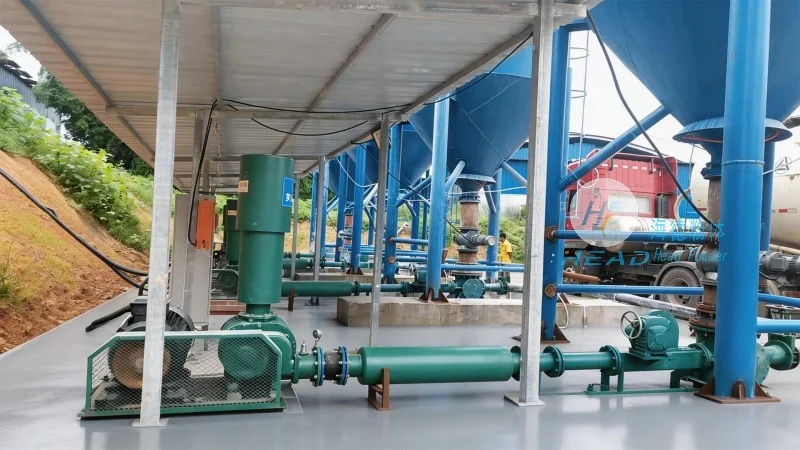
Before diving into system selection, it's essential to understand the unique characteristics of urea that influence the choice of a pneumatic conveying system. Urea is typically a granular solid with specific properties that affect how it behaves during transport. Key factors include particle size distribution, moisture content, and flowability. For instance, urea granules can vary in size, and finer particles may require systems designed to handle low-pressure, high-volume airflow to prevent blockages. Additionally, urea's hygroscopic nature means it can absorb moisture from the air, which may affect its flow characteristics and the system's performance over time. Understanding these properties is the first step in matching the right system to your process needs.
Several critical factors must be evaluated when choosing a pneumatic conveying system for urea. The primary consideration is the distance and layout of the transport route. For short distances, a simple, low-pressure system may suffice, while longer distances often necessitate high-pressure or multi-stage systems to maintain material velocity and prevent settling. The required flow rate is another crucial factor; systems must be capable of handling the desired throughput without compromising material quality or system efficiency. The type of system—whether positive pressure, negative pressure, or a combination—also plays a significant role. Positive pressure systems, where air is forced through the material, are common for urea due to their ability to handle abrasive materials and maintain consistent flow. Negative pressure systems, on the other hand, are suitable for applications where dust control is a priority, as they draw material into the system rather than expelling it. The choice of system type directly impacts operational costs, maintenance requirements, and overall system reliability.
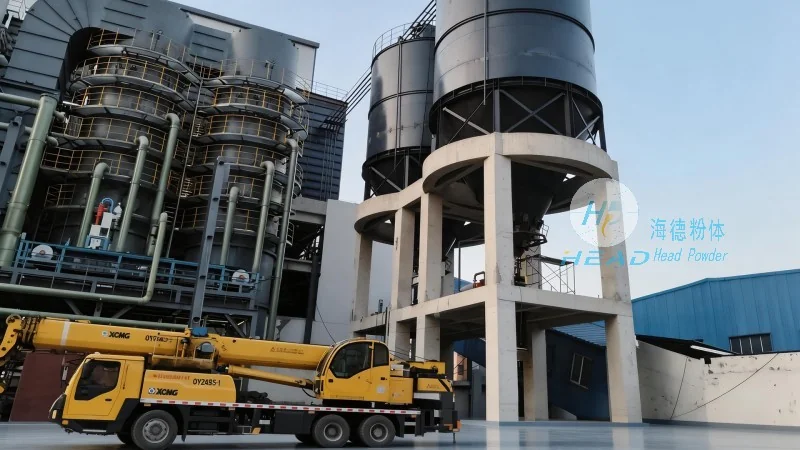
Shandong HeadPowder Engineering Co., Ltd., commonly known as HeadPowder, specializes in designing and manufacturing customized pneumatic conveying systems tailored to the specific needs of urea handling facilities. With years of experience in the industry, HeadPowder understands that no two urea processing plants are identical, and thus, a one-size-fits-all approach is insufficient. The company's team of engineers works closely with clients to assess their unique requirements, including storage capacity, processing capacity, and existing infrastructure. By leveraging advanced engineering techniques and material science knowledge, HeadPowder develops solutions that optimize material flow, minimize energy consumption, and ensure compliance with safety and environmental regulations. For example, HeadPowder may recommend a combination of positive and negative pressure zones in a multi-stage system to achieve the best balance between efficiency and cost-effectiveness. The company also provides comprehensive support, including system design, installation, and after-sales service, ensuring that clients receive a reliable and long-lasting solution.
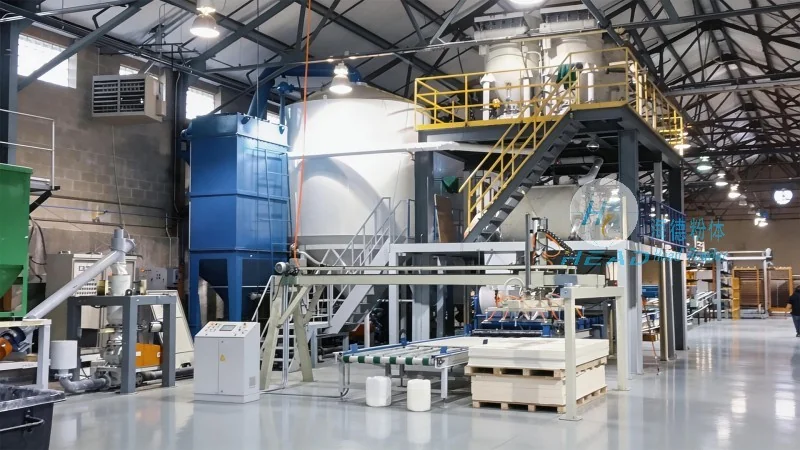
When selecting a pneumatic conveying system for urea, it's essential to evaluate the key components and their performance capabilities. The air compressor is a critical component, as it must provide sufficient pressure and airflow to maintain material transport. For urea, high-efficiency, low-noise compressors are often preferred to minimize operational costs and noise pollution. The conveying line design, including pipe diameter, material of construction (e.g., stainless steel for corrosion resistance), and the use of bends and elbows, also impacts system performance. Properly sized and positioned components ensure that urea flows smoothly without causing blockages or excessive wear on equipment. Additionally, the system's ability to handle variations in urea quality, such as changes in moisture content or particle size, is crucial. A well-designed system should be flexible enough to accommodate these variations without compromising performance. HeadPowder's expertise in material handling allows them to design systems with robust components that can withstand the unique challenges of urea transport.

Urea handling involves specific safety and regulatory considerations that must be addressed when selecting a pneumatic conveying system. Dust control is a primary concern, as urea dust can be hazardous if inhaled. Proper system design, including sealed conveying lines and dust collection systems, is essential to minimize dust exposure and comply with occupational health and safety regulations. Additionally, the system must be designed to prevent material buildup and blockages, which can lead to equipment failure or safety hazards. HeadPowder incorporates safety features such as pressure relief valves, emergency shut-off systems, and regular maintenance schedules to ensure safe operation. The company also adheres to industry standards and regulations, such as those set by the American Society of Mechanical Engineers (ASME) and local environmental agencies, to ensure that their systems meet all necessary requirements. By prioritizing safety and compliance, HeadPowder helps clients operate their urea handling facilities with peace of mind.
Selecting the right pneumatic conveying system for your urea handling process is a critical decision that impacts operational efficiency, safety, and overall cost-effectiveness. By considering factors such as urea properties, transport distance, flow rate, and system type, and leveraging the expertise of companies like Shandong HeadPowder Engineering Co., Ltd., you can ensure that your system meets your specific needs. HeadPowder's commitment to customized solutions, quality components, and comprehensive support makes them a trusted partner for businesses seeking reliable urea handling systems. Whether you are upgrading an existing system or designing a new facility, working with HeadPowder can help you achieve optimal performance and long-term success in your urea handling operations.

 Shandong Headpowder Engineering Co., Ltd.
 156-6277-7102(Manager Zhang)
  0531-83386006
  Zhangqiu District, Jinan City, Shandong Province, China
telephone
WeChatconsult
top