With more than 10‑year industry experience, Shandong Headpowder delivers full‑service pneumatic‑conveying systems and blowers, undertaking nationwide turn‑key powder‑handling projects.
HeadPowder, a leading engineering company based in Shandong, China, specializes in the design, manufacturing, and supply of advanced pneumatic conveying systems for various industrial applications. This article provides a comprehensive overview of the petroleum coke powder pneumatic conveying equipment, focusing on its structural design and operational principles.
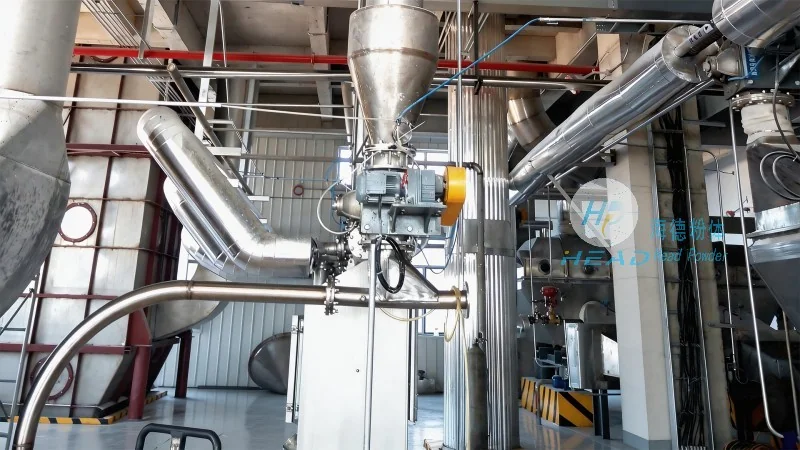
Pneumatic conveying systems are widely used in industries such as petrochemical, power generation, and material handling to transport bulk materials like powders and granules over long distances. These systems utilize compressed air or gas to move materials through a pipeline network, offering advantages over traditional mechanical conveying methods like reduced maintenance, lower labor costs, and the ability to handle materials in a dust-free environment.
The petroleum coke powder pneumatic conveying equipment typically consists of several key components that work in tandem to ensure efficient material transport. The main structural elements include the hopper, feeder, air compressor, pipeline system, and control unit. Each component plays a crucial role in the overall operation of the system.
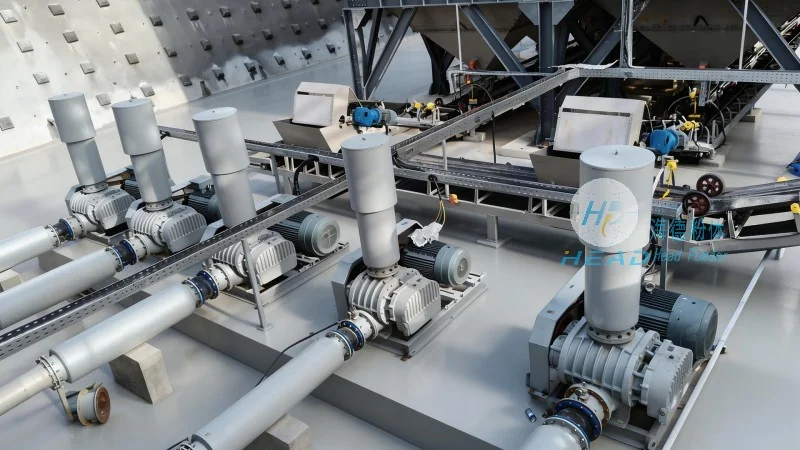
The hopper is the primary storage container for the petroleum coke powder. It is designed with a conical or rectangular shape to facilitate uniform material flow and prevent clogging. The hopper is equipped with a feeder, which can be a rotary valve or a screw feeder, to regulate the flow rate of the powder into the pipeline. The feeder ensures a consistent and controlled supply of material, which is essential for maintaining stable conveying performance.
The air compressor is the heart of the pneumatic conveying system, responsible for generating the necessary pressure and airflow to move the petroleum coke powder through the pipeline. There are different types of air compressors available, such as rotary screw compressors or reciprocating compressors, each with its own advantages in terms of efficiency, noise level, and maintenance requirements. The compressor is connected to the pipeline via a filter and regulator to ensure clean and stable air supply.
The pipeline system is the main conduit through which the petroleum coke powder is conveyed. It is typically made of stainless steel or other corrosion-resistant materials to withstand the abrasive nature of the powder and prevent material buildup. The pipeline is designed with appropriate bends and elbows to guide the material flow while minimizing pressure loss. The system may also include expansion joints and supports to accommodate thermal expansion and maintain structural integrity.
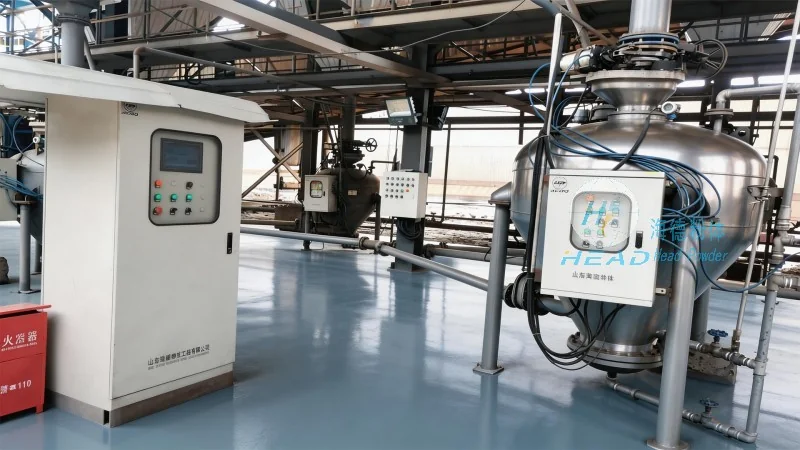
The control unit is responsible for monitoring and regulating the operation of the pneumatic conveying system. It includes sensors and control valves that detect the pressure, flow rate, and temperature within the system. The control unit can adjust the air pressure and flow rate in real-time to maintain optimal conveying conditions, preventing issues such as blockages or excessive pressure. It also provides safety features to shut down the system in case of abnormal conditions, ensuring safe and reliable operation.
The operation of the petroleum coke powder pneumatic conveying equipment involves several steps. First, the petroleum coke powder is fed from the hopper into the pipeline through the feeder. Simultaneously, the air compressor supplies compressed air into the pipeline. The compressed air creates a low-pressure zone in the pipeline, which draws the powder particles into the air stream. The powder and air mixture then travels through the pipeline to the discharge point, where the powder is separated from the air using a separator or cyclone. The separated powder is collected in a receiving hopper, while the air is either recirculated or discharged to the atmosphere.
Using pneumatic conveying equipment for petroleum coke powder offers several advantages over traditional methods. Firstly, it provides a dust-free and clean conveying process, which is essential for maintaining a safe working environment and preventing contamination of the material. Secondly, it allows for the transport of materials over long distances without the need for multiple transfer points, reducing the overall system complexity and cost. Thirdly, the system is highly flexible and can be easily integrated with other industrial processes, such as storage and processing units. Finally, the equipment is relatively low-maintenance and has a longer service life compared to mechanical conveying systems.
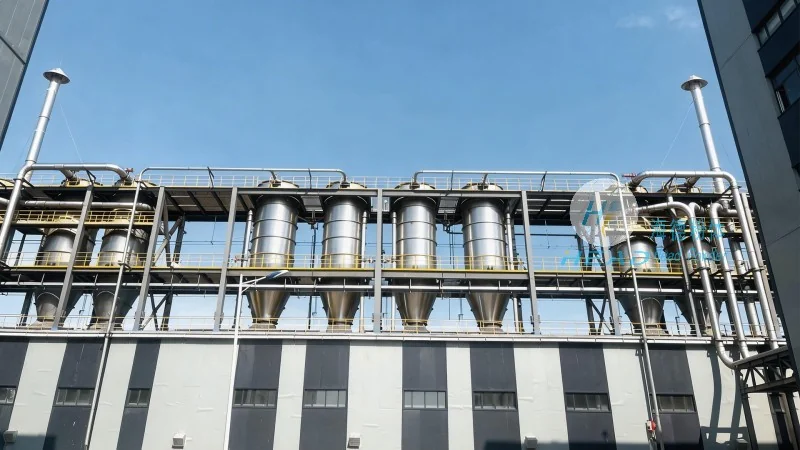
Petroleum coke powder pneumatic conveying equipment is widely used in various industries that require the handling of bulk powders. Some common applications include the petrochemical industry for transporting coke from reactors to storage facilities, the power generation industry for conveying coke to boilers, and the material processing industry for transporting coke to production lines. The equipment is also used in other industries such as mining, food processing, and pharmaceuticals, where the transport of powders is required.
In conclusion, the petroleum coke powder pneumatic conveying equipment is a sophisticated and efficient system designed to handle the transportation of bulk materials. With its advanced structural components and operational principles, it offers numerous advantages over traditional conveying methods. HeadPowder, with its expertise in engineering and manufacturing, provides high-quality pneumatic conveying systems that meet the specific needs of various industries. By understanding the structural design and working principles of this equipment, users can make informed decisions about its application and maintenance, ensuring optimal performance and reliability.

 Shandong Headpowder Engineering Co., Ltd.
 156-6277-7102(Manager Zhang)
  0531-83386006
  Zhangqiu District, Jinan City, Shandong Province, China
telephone
WeChatconsult
top