With more than 10‑year industry experience, Shandong Headpowder delivers full‑service pneumatic‑conveying systems and blowers, undertaking nationwide turn‑key powder‑handling projects.
The recent project executed in Toronto, Canada, stands as a testament to the growing demand for high-precision material handling solutions in the global energy sector. This initiative specifically focuses on the transportation of lithium battery precursors, a critical material in the production of next-generation rechargeable batteries. The complexity of handling such fine, reactive powders requires a system that is not only robust but also highly reliable. The implementation of this engineering project in the North American market highlights the technical capability to meet international standards while addressing the specific logistical challenges posed by the Canadian industrial environment.
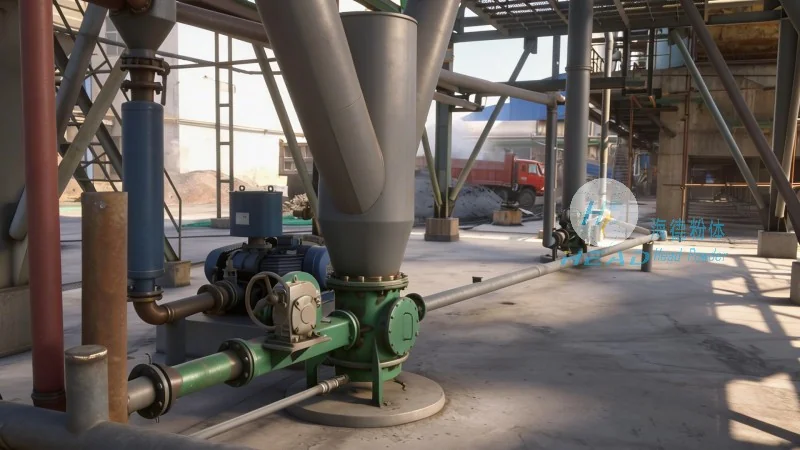
Lithium battery precursors are sensitive to environmental factors, including moisture and oxygen, which can compromise the quality of the final battery cathode material. Therefore, the project in Toronto necessitated a solution that ensures the integrity of the powder from the point of origin to the point of use. The engineering team focused on minimizing exposure to external elements, ensuring that the chemical properties of the precursor remain stable throughout the transfer process. This attention to detail is paramount for manufacturers looking to maintain high yield rates and product consistency in their production lines.
At the heart of this successful implementation is the sophisticated closed-system pneumatic conveying technology. Unlike traditional mechanical conveying methods that rely on belts or screws, pneumatic conveying uses a stream of air to move dry bulk materials through a fully enclosed pipeline system. This method is particularly advantageous for handling fine powders like lithium battery precursors. The "closed" aspect of the system refers to the complete sealing of the pipeline and equipment, which prevents dust leakage and protects the operator and the environment from potential hazards associated with fine particulate matter.
The engineering design for the Toronto project incorporated state-of-the-art pneumatic conveying equipment capable of handling high volumes of material with precision. The system operates by creating a pressure differential that moves the powder through the piping network. This technology offers several key benefits, including reduced material degradation, lower maintenance costs due to the absence of moving parts in the transfer line, and a significant improvement in workplace safety. By eliminating open transfer points, the risk of dust explosions—a common concern in powder handling—is drastically minimized, providing a secure operating environment for the facility.
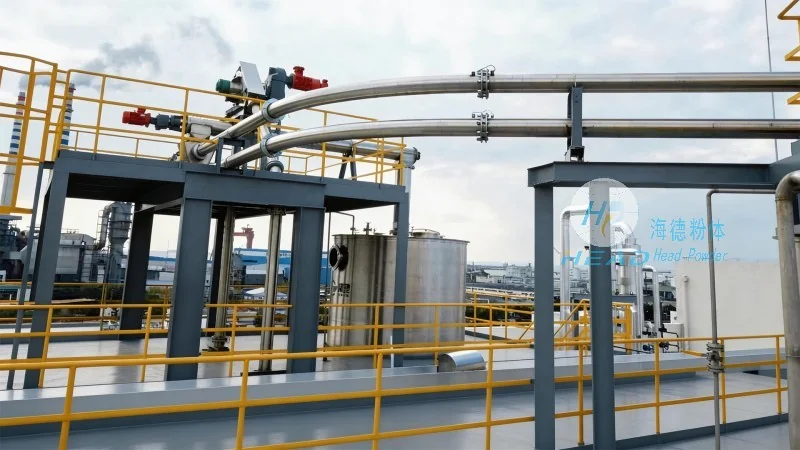
Shandong Headpowder Engineering Co., Ltd. has established a strong reputation through a diverse portfolio of North American pneumatic conveying cases. The company's expertise extends beyond simple material movement; it encompasses the comprehensive engineering, design, and installation of complex bulk material handling systems tailored to specific industrial needs. By successfully delivering projects in the North American market, the company has demonstrated its ability to navigate different regulatory frameworks and operational standards, ensuring that every system is compliant and efficient.
The experience gained from these projects allows the engineering team to anticipate potential challenges before they arise. Whether it is dealing with extreme weather conditions, specific material flow properties, or high-capacity throughput requirements, the solutions provided are always customized to the client's specifications. The success in Toronto is a continuation of this legacy, reinforcing the company's position as a leader in the field of powder engineering. Each case serves as a learning opportunity, refining the technology and methodologies used in subsequent projects to ensure continuous improvement and superior performance.
Shandong Headpowder Engineering Co., Ltd. is a specialized entity dedicated to the research, development, and implementation of advanced powder handling solutions. Headquartered in Shandong, China, the company leverages local manufacturing capabilities and engineering talent to deliver world-class systems to clients across the globe. The company's name, Headpowder, has become synonymous with reliability and innovation in the pneumatic conveying industry. The company focuses on bridging the gap between theoretical engineering and practical application, ensuring that every system delivered performs flawlessly in real-world conditions.
The engineering team at Shandong Headpowder Engineering Co., Ltd. comprises industry veterans who possess deep knowledge of fluid dynamics, material science, and mechanical engineering. They work closely with clients to understand their specific operational goals, whether it is maximizing production efficiency or minimizing energy consumption. The company’s commitment to quality is reflected in its rigorous testing procedures and its adherence to international quality management standards. By integrating cutting-edge technology with practical engineering know-how, the company ensures that its pneumatic conveying systems offer the best possible return on investment for its clients.
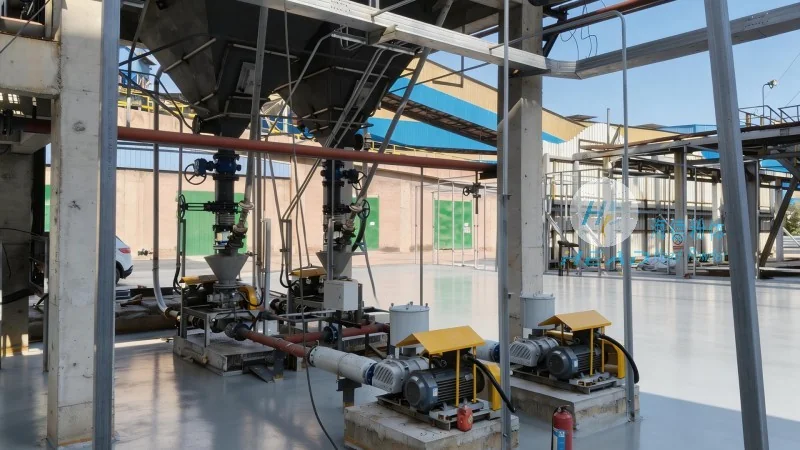
For further details regarding the engineering capabilities of Shandong Headpowder Engineering Co., Ltd. or to discuss potential projects, interested parties are encouraged to contact the project manager directly. The company is ready to provide expert consultation and customized solutions for any pneumatic conveying requirements. To connect with the team, please utilize the WeChat contact number provided below.
Contact Person: Manager Zhang
WeChat: 15662777102

 Shandong Headpowder Engineering Co., Ltd.
 156-6277-7102(Manager Zhang)
  0531-83386006
  Zhangqiu District, Jinan City, Shandong Province, China
telephone
WeChatconsult
top