With more than 10‑year industry experience, Shandong Headpowder delivers full‑service pneumatic‑conveying systems and blowers, undertaking nationwide turn‑key powder‑handling projects.
In the rapidly evolving landscape of lithium-ion battery manufacturing, the efficiency and safety of raw material handling are paramount. The production of high-performance batteries relies heavily on the precise handling of conductive carbon black, a critical additive that ensures electrical conductivity within the battery electrodes. To address the complex requirements of modern chemical processing, Headpowder has successfully executed a significant project in the heart of Europe. This initiative marks a vital milestone in the company's portfolio of European pneumatic conveying solutions. Located in Cologne, Germany, the facility required a robust system capable of managing the unique properties of conductive carbon black during the charging and feeding process. This project underscores Headpowder's capability to deliver tailored engineering solutions that meet international standards while optimizing production efficiency for global clients.
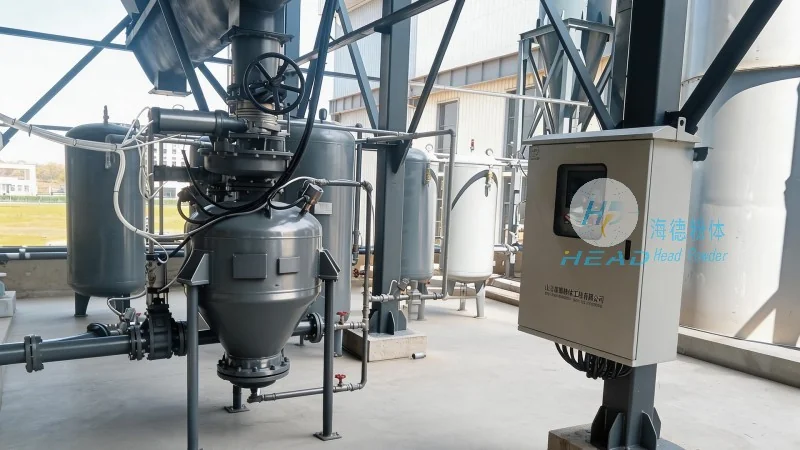
The selection of Cologne as the project site highlights the global reach of Shandong Headpowder Engineering Co., Ltd. and its commitment to serving the international energy storage sector. The project was designed to streamline the lithium battery feedstock process, ensuring a continuous and uninterrupted flow of materials from storage silos to processing reactors. By implementing a state-of-the-art pneumatic conveying system, the facility has achieved significant improvements in operational hygiene, reduced material loss, and enhanced overall plant safety. This successful deployment serves as a prime example of how advanced powder handling technology can be adapted to meet the rigorous demands of European industrial environments.
Handling conductive carbon black presents unique challenges due to its high density, fine particle size, and tendency to generate static electricity. Standard handling methods often fall short in maintaining purity and preventing cross-contamination. Headpowder’s solution for this project is a specialized conductive carbon black pneumatic conveying system engineered to address these specific material characteristics. The system utilizes a closed-loop pneumatic transport mechanism, which effectively isolates the powder from the external environment. This isolation is crucial for maintaining the quality of the carbon black, preventing moisture absorption, and eliminating the risk of dust explosions, which are common hazards associated with fine carbon black powders.
The technology employed in this pneumatic conveying case is designed for high reliability and low maintenance. The system features a high-pressure blower and specialized piping designed to withstand the abrasive nature of carbon black. It incorporates advanced airlock feeders and rotary valves that ensure a consistent metering of the material into the pipeline. By controlling the air-to-material ratio, the system minimizes particle attrition, ensuring that the conductive properties of the carbon black remain intact during transport. This precision feeding capability is essential for battery manufacturers, as any variation in the amount of conductive additive can directly impact the electrochemical performance of the final battery cell.
Furthermore, the system is equipped with advanced filtration and dedusting units. These components capture any fine particles that might escape the transport stream, ensuring that the plant remains compliant with strict environmental regulations. The seamless integration of these components into the existing production line demonstrates the versatility of Headpowder’s engineering approach. The project not only solved the immediate logistical challenges of moving heavy, conductive powders but also provided a scalable platform for future production expansions.
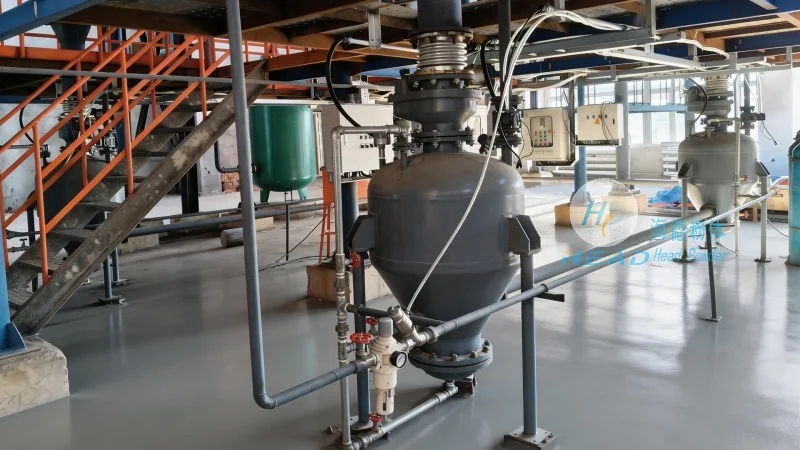
The successful execution of the Cologne project is a testament to Headpowder's deep understanding of European pneumatic conveying standards and safety protocols. European industrial facilities are known for their rigorous safety requirements, particularly regarding dust explosion protection and occupational health. Headpowder ensured that the design of the pneumatic conveying system fully complies with the ATEX directives and other relevant European safety standards. This commitment to safety is embedded in every aspect of the system's design, from the selection of explosion-proof electrical components to the structural integrity of the storage vessels and piping.
Headpowder Engineering Co., Ltd. brings decades of experience in powder handling technology to this project. The company's expertise extends beyond simple transport; it encompasses the holistic optimization of material flow within a plant. The engineers at Shandong Headpowder Engineering Co., Ltd. conducted thorough feasibility studies and simulations prior to the installation phase. This data-driven approach allowed for the precise sizing of the pneumatic system, ensuring that it could handle peak production loads without excessive energy consumption. The result is a system that is not only safe and reliable but also energy-efficient, contributing to the client's sustainability goals.
The Cologne project has positioned Headpowder as a trusted partner in the global battery supply chain. By delivering a solution that meets the exacting standards of a German client, the company has validated its technical prowess and engineering excellence. The system's performance has exceeded the client's expectations, demonstrating that Chinese engineering firms can compete at the highest levels of international technology. This success opens the door for further collaborations in the European market and beyond, reinforcing Headpowder's reputation as a leader in bulk material handling.
Headpowder is a premier provider of pneumatic conveying solutions and bulk material handling systems. Headquartered in Shandong, China, the company has established itself as a global leader in the design and manufacturing of equipment for the chemical, pharmaceutical, and battery industries. Shandong Headpowder Engineering Co., Ltd. specializes in creating customized systems that address the specific needs of each client, whether they are dealing with free-flowing powders, cohesive materials, or abrasive granules.
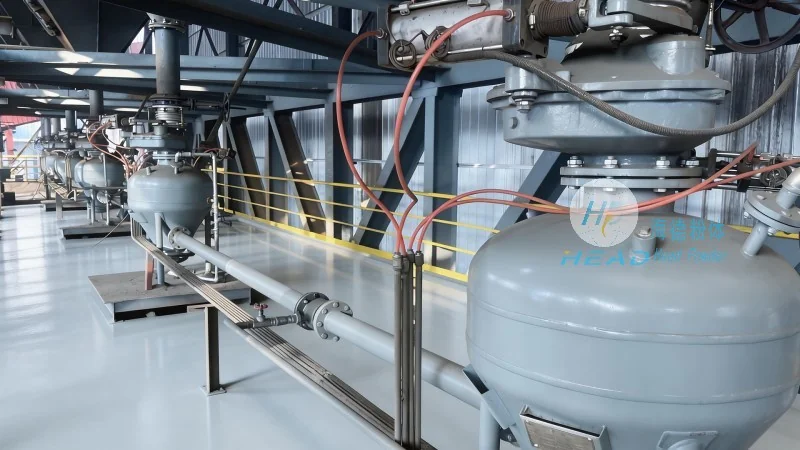
The company's portfolio is diverse, covering everything from vacuum conveying and pressure conveying to mechanical conveying solutions. Their team of experienced engineers works closely with clients from the initial concept phase through to commissioning and after-sales support. This client-centric approach ensures that every project is tailored to maximize efficiency and minimize downtime. As the demand for lithium-ion batteries grows, Headpowder remains at the forefront of innovation, continuously developing new technologies to handle increasingly complex materials.
Shandong Headpowder Engineering Co., Ltd. prides itself on its quality control and manufacturing capabilities. The company utilizes advanced production techniques and rigorous testing procedures to ensure that every piece of equipment leaving its factory meets the highest industry standards. This dedication to quality has earned the company a strong reputation among both domestic and international customers. By combining local manufacturing efficiency with global engineering standards, Headpowder delivers superior value to its clients worldwide.
For businesses seeking to optimize their material handling processes or interested in learning more about advanced pneumatic conveying cases like the one in Cologne, direct engagement with the engineering team is recommended. Shandong Headpowder Engineering Co., Ltd. welcomes inquiries regarding the implementation of European pneumatic conveying systems and specialized conductive carbon black pneumatic conveying solutions.
To discuss your specific requirements or to request a detailed consultation, please contact the project manager directly. The team is ready to provide expert advice and tailored proposals designed to enhance your production capabilities. Reach out to Zhang Manager via WeChat at 15662777102 to initiate a conversation about your powder handling needs. Headpowder is dedicated to building long-term partnerships and providing the technical support necessary to achieve operational excellence in your facility.

 Shandong Headpowder Engineering Co., Ltd.
 156-6277-7102(Manager Zhang)
  0531-83386006
  Zhangqiu District, Jinan City, Shandong Province, China
telephone
WeChatconsult
top