With more than 10‑year industry experience, Shandong Headpowder delivers full‑service pneumatic‑conveying systems and blowers, undertaking nationwide turn‑key powder‑handling projects.
The environmental regulations in Germany, particularly in industrial zones like Leipzig, mandate strict controls on nitrogen oxide emissions. To comply with these standards, power plants and industrial facilities must implement advanced flue gas treatment systems. A critical component of this treatment is the precise and continuous dosing of active carbon. This is where the specialized powder pneumatic conveying system becomes essential. The project in Leipzig represents a significant engineering achievement in the field of flue gas desulfurization and denitrification. The facility requires a robust solution capable of handling large volumes of powdered materials without compromising the purity or efficiency of the active carbon used in the process.
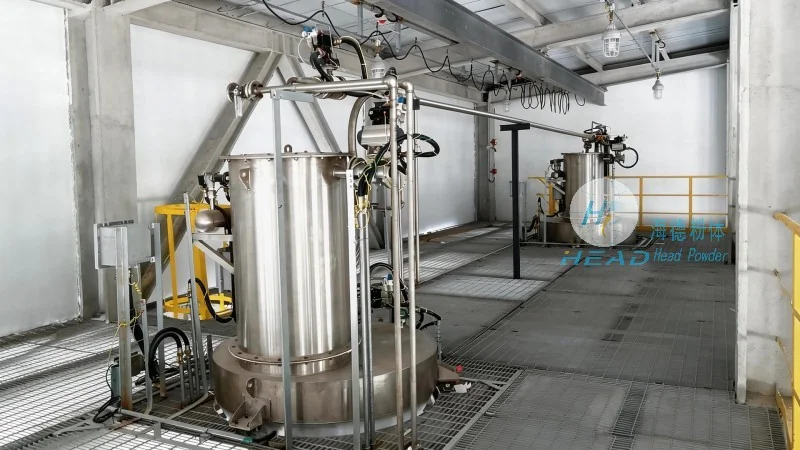
The core of this engineering solution is the implementation of a high-efficiency pneumatic conveying system. Unlike traditional mechanical conveyors that rely on moving parts which can wear out quickly, pneumatic systems use air pressure to transport materials through a pipeline network. In this specific case, the system is designed to handle the unique properties of active carbon powder. The process involves generating a controlled air flow that pushes the powder through the piping system to the injection points. This method ensures a clean, enclosed environment for material transfer, which is vital for preventing dust pollution and ensuring the safety of the plant personnel. The design focuses on maintaining the structural integrity of the powder while ensuring a consistent flow rate necessary for the denitrification process.
A key focus of this project is the specific application of active carbon injection conveying. Active carbon is a highly reactive material used to adsorb impurities and facilitate chemical reactions in the flue gas stream. However, transporting this material presents specific challenges, including its tendency to generate static electricity and its friable nature. The system engineered for this project addresses these issues through specialized nozzles and grounding measures. The technology allows for the precise metering of active carbon, ensuring that the correct amount is injected into the flue gas at the optimal moment. This precision is crucial for maximizing the efficiency of the denitrification reaction and minimizing waste. By utilizing a pneumatic injection method, the facility achieves a uniform distribution of the active carbon, which is the primary factor in achieving high removal rates for nitrogen oxides.
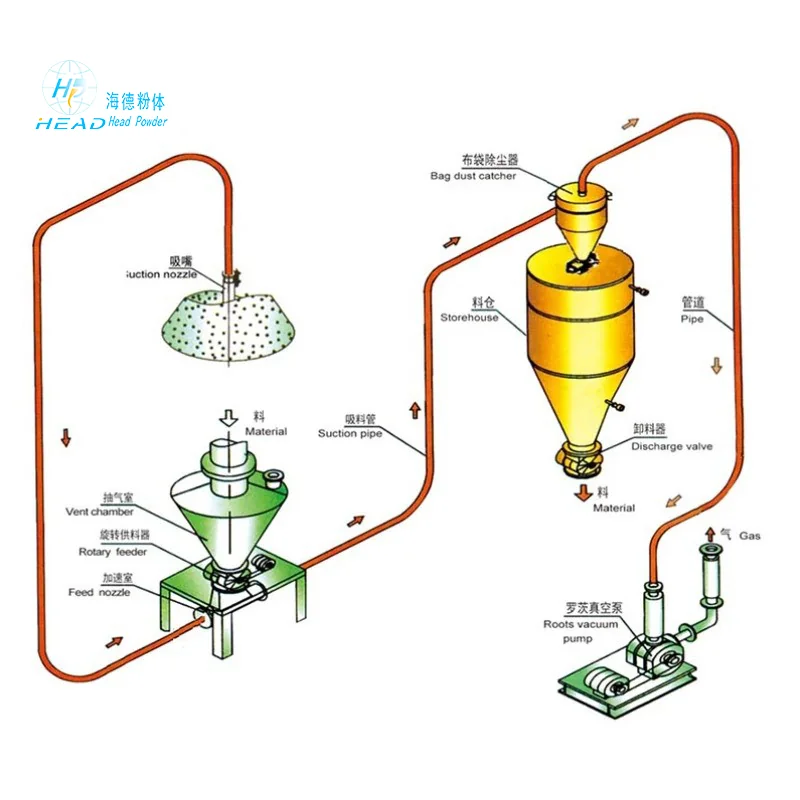
The project adheres to the rigorous quality standards typical of European engineering. When designing systems for the European market, engineers must account for high reliability and low maintenance requirements. The pneumatic conveying system installed in Leipzig is built to withstand harsh operating conditions, including high temperatures and corrosive environments often found in industrial exhaust systems. The selection of materials and the design of the air compressor and filter units are tailored to ensure long-term durability. This reliability is a hallmark of the services provided by Shandong Headpowder Engineering Co., Ltd., which has a proven track record in delivering high-performance solutions across the continent.
The successful execution of this project highlights the technical proficiency of Shandong Headpowder Engineering Co., Ltd. As a leading entity in the industry, the company specializes in the research, development, and manufacturing of powder handling equipment. Located in Shandong, China, the company leverages advanced manufacturing capabilities and engineering expertise to serve clients globally. The team at Headpowder focuses on customizing solutions to meet the specific needs of each client, whether the requirement is for a small-scale laboratory setup or a large-scale industrial plant like the one in Leipzig. Their approach combines traditional engineering principles with modern automation to create systems that are not only efficient but also easy to operate.
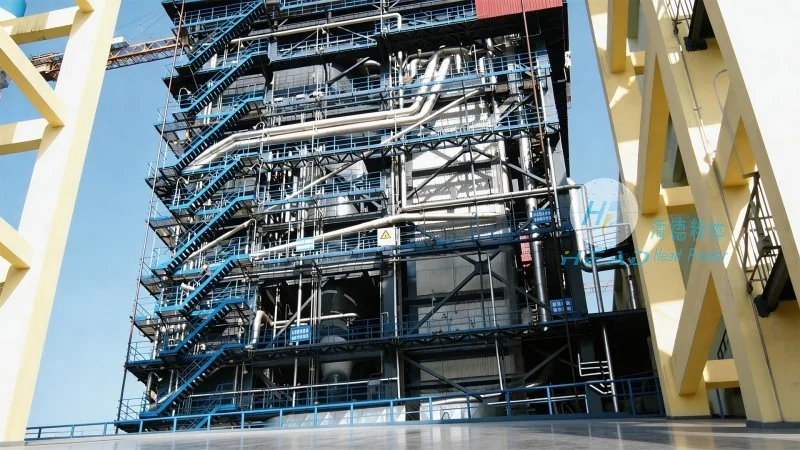
Implementing a pneumatic conveying system offers numerous operational benefits. One of the primary advantages is the elimination of transfer points where dust could escape. In a pneumatic system, the material is contained entirely within the pipes, which significantly reduces the risk of occupational exposure to dust. Additionally, these systems are highly automated, allowing for remote monitoring and control. Operators can adjust the flow rate and pressure from a central control panel, ensuring the system runs at peak efficiency at all times. For a facility in Leipzig, this means reduced downtime and lower energy consumption compared to traditional bulk material handling methods. The system’s ability to handle the active carbon with minimal degradation ensures that the chemical properties of the material remain effective throughout the transfer process.
For businesses seeking to upgrade their material handling infrastructure or require a similar solution for flue gas treatment, the expertise of Shandong Headpowder Engineering Co., Ltd. is readily available. The company is dedicated to providing comprehensive support, from initial design and engineering to installation and after-sales service. To discuss specific project requirements or to learn more about their capabilities in powder pneumatic conveying, interested parties are encouraged to reach out directly. You may contact Mr. Zhang, the project manager, for detailed consultations. His contact information is available to facilitate direct communication regarding your engineering needs.

 Shandong Headpowder Engineering Co., Ltd.
 156-6277-7102(Manager Zhang)
  0531-83386006
  Zhangqiu District, Jinan City, Shandong Province, China
telephone
WeChatconsult
top