With more than 10‑year industry experience, Shandong Headpowder delivers full‑service pneumatic‑conveying systems and blowers, undertaking nationwide turn‑key powder‑handling projects.
The industrial landscape of Paraguay, particularly in the eastern region near the capital city of Asunción, is undergoing a significant transformation driven by the growing demand for advanced energy storage solutions. A prime example of this technological advancement is the recent implementation of a specialized material handling system designed for the precise transport of ternary materials. This project, formally titled the "Paraguay Oriental City Ternary Material Oxidation-Resistant Pneumatic Conveying Project," represents a critical milestone in the supply chain infrastructure for the region's burgeoning battery manufacturing sector. Unlike standard bulk material transport, this initiative focuses exclusively on the safe and efficient transfer of high-value ternary cathode materials, which are essential components in modern lithium-ion batteries. The project underscores the necessity of maintaining material integrity during transit, ensuring that the chemical properties of the powders remain stable from the point of origin to the point of consumption. By addressing the specific environmental challenges associated with these sensitive materials, the project sets a new standard for material handling in the region.
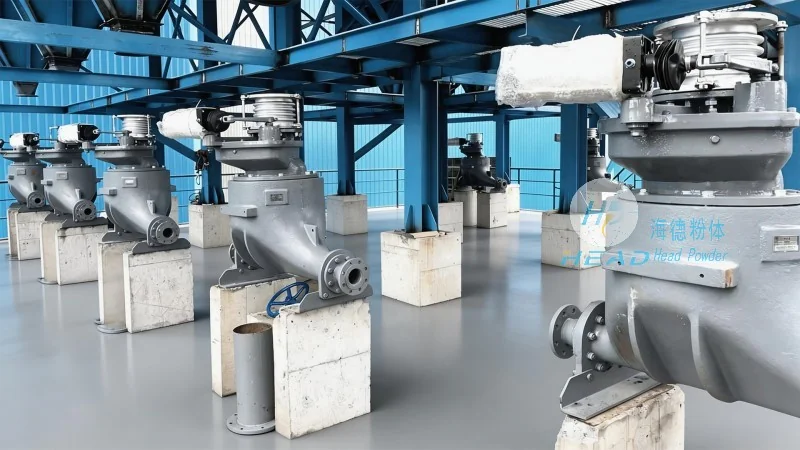
Ternary materials, commonly referred to as NCM or NCA, are known for their high energy density but are inherently unstable when exposed to external environmental factors. One of the most critical challenges in the production and processing of these materials is oxidation. When ternary materials come into contact with oxygen or moisture in the air, their electrochemical performance can degrade, leading to reduced battery life and efficiency. This sensitivity necessitates a specialized approach to material handling that goes beyond traditional conveyor belts or vacuum cleaners. Standard pneumatic conveying systems often lack the necessary sealing capabilities or inert gas purging capabilities to protect these materials from oxidation during transit. Consequently, the challenge lies in designing a system that can withstand the corrosive nature of the atmosphere while maintaining a consistent flow rate and preventing cross-contamination. The Paraguay Oriental project was specifically engineered to overcome these technical hurdles, ensuring that the materials arrive at their destination in the same high-quality state they were in when they left the production facility.
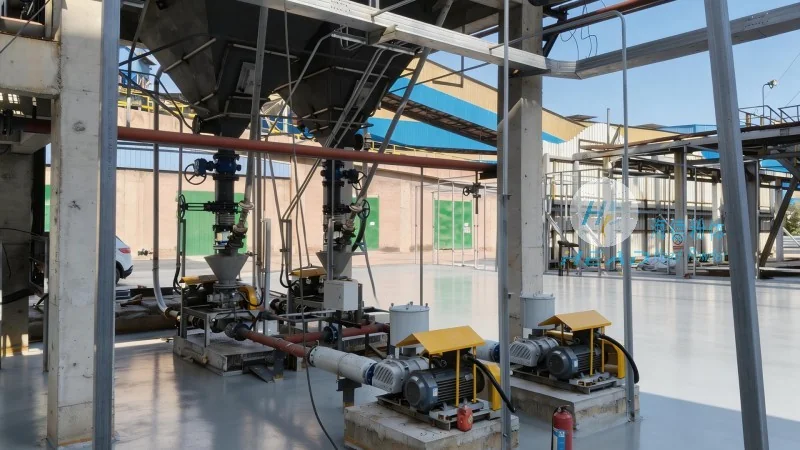
To address the critical need for material preservation, the project utilizes a state-of-the-art "oxidation-resistant pneumatic conveying" system. This technology is fundamentally different from conventional air transport methods because it integrates an inert gas protection mechanism directly into the conveying pipeline. The system operates by creating a controlled environment within the transfer lines, typically using nitrogen or other inert gases to displace oxygen. This process ensures that the ternary materials are never exposed to ambient air during the transfer process, effectively eliminating the risk of oxidation and moisture absorption. The design of the system includes specialized rotary valves and airlocks that maintain a positive or negative pressure differential, depending on the specific requirements of the material flow. This method not only preserves the chemical integrity of the ternary materials but also significantly reduces dust generation, which is a common safety hazard in powder handling. The successful deployment of this system serves as a prominent pneumatic conveying case, demonstrating the capability to handle sensitive powders with extreme precision and safety.
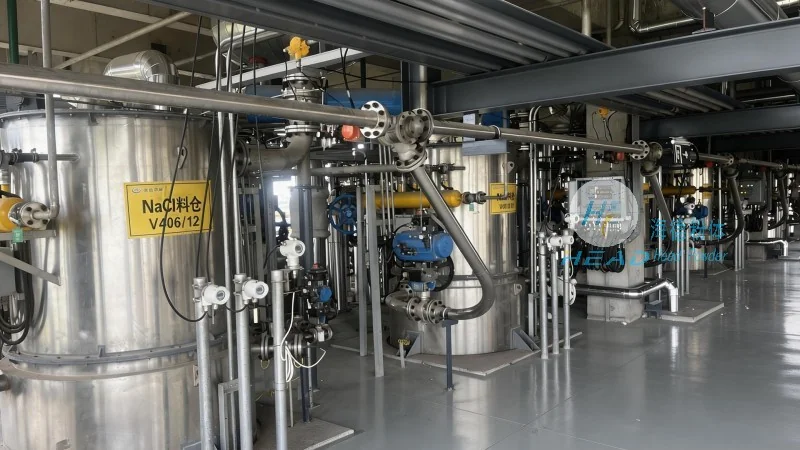
The successful execution of this project in Paraguay highlights the growing importance of robust logistics solutions in the Latin American market. As the region continues to develop its manufacturing capabilities, the demand for reliable industrial infrastructure is rising. This project is a testament to the expertise available in providing comprehensive Latin American pneumatic conveying solutions tailored to local industrial needs. The infrastructure in Paraguay Oriental requires systems that can handle diverse environmental conditions, including humidity and temperature fluctuations, which are common in the region. The implementation of this advanced conveying system has provided local manufacturers with a reliable supply chain link, ensuring a steady flow of critical materials. It also positions the region as a viable hub for battery production, attracting further investment and technological development. The ability to customize conveying solutions for specific geographic and industrial requirements is a key factor in the success of such projects, ensuring that the machinery operates efficiently within the unique constraints of the Latin American market.
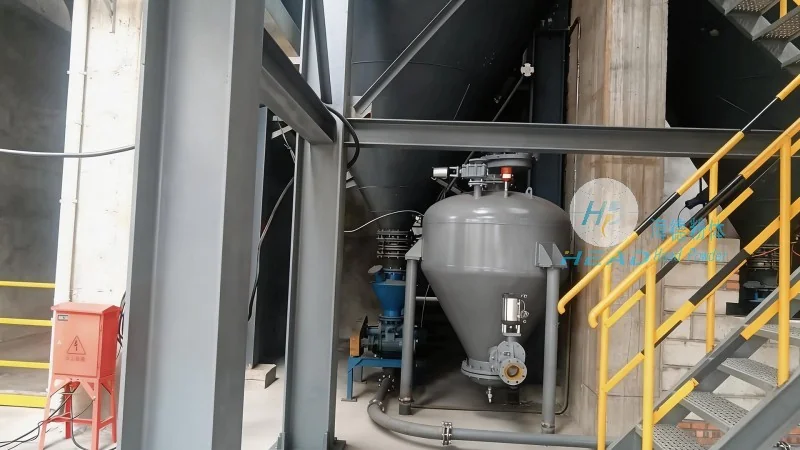
At the heart of this successful project is Shandong Headpowder Engineering Co., Ltd., a leading engineering firm based in Shandong, China. The company has established itself as a premier provider of pneumatic conveying solutions, specializing in the design and manufacture of systems for the chemical, food, and battery industries. With a strong commitment to innovation and quality, Shandong Headpowder Engineering Co., Ltd. leverages advanced engineering principles to develop systems that meet the highest international standards. The company's expertise is not limited to domestic projects; it has a proven track record of delivering complex solutions to international markets, including Latin America. By combining local market knowledge with global engineering standards, the company ensures that every project, like the one in Paraguay Oriental, is executed with the utmost precision and efficiency. Their team of engineers and technicians work closely with clients to understand their specific needs, ensuring that the final solution is both technically superior and economically viable.

 Shandong Headpowder Engineering Co., Ltd.
 156-6277-7102(Manager Zhang)
  0531-83386006
  Zhangqiu District, Jinan City, Shandong Province, China
telephone
WeChatconsult
top