With more than 10‑year industry experience, Shandong Headpowder delivers full‑service pneumatic‑conveying systems and blowers, undertaking nationwide turn‑key powder‑handling projects.
The industrial landscape of Kotka, Finland, demands high standards for environmental compliance and operational efficiency. In this context, the implementation of a sophisticated gas denitrification powder pneumatic conveying system stands as a critical component of modern industrial infrastructure. This project, executed by Shandong Headpowder Engineering Co., Ltd., highlights the precision required in handling fine powders used in flue gas treatment. The primary objective was to establish a reliable, continuous, and environmentally safe method for transporting denitrification agents, such as urea or ammonium salts, directly to the injection points within the boiler systems. This case study illustrates the complexity and technical depth involved in creating a robust infrastructure for air pollution control.
Handling fine powders in an industrial setting presents unique challenges, ranging from dust generation and material degradation to blockages and cross-contamination. In the context of gas denitrification, the material properties are particularly sensitive; the powders must be conveyed without clumping or caking to ensure accurate dosing and effective chemical reaction with nitrogen oxides in the flue gas. Traditional mechanical conveying methods, such as screw conveyors or belt conveyors, often fall short in these scenarios due to their tendency to cause material attrition and potential leakage points. Consequently, the engineering team at Shandong Headpowder Engineering Co., Ltd. prioritized a pneumatic solution that could maintain the integrity of the powder while ensuring a closed-loop system to protect the surrounding environment.
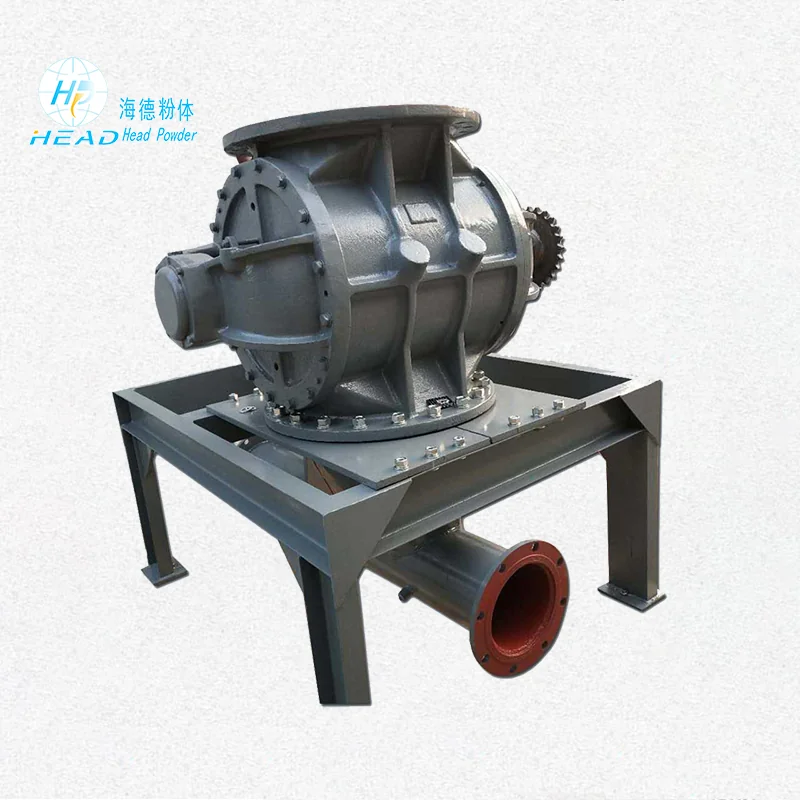
To address these challenges, the project implemented a state-of-the-art positive pressure pneumatic conveying system. This technology utilizes compressed air or inert gas to push the powder through a pipeline from the storage silos to the injection hoppers. The "positive pressure" mechanism ensures a consistent flow rate, which is vital for maintaining the stoichiometric balance required for effective denitrification. Unlike vacuum systems, positive pressure is generally more effective for longer distances and higher elevations, making it ideal for the complex layout often found in industrial plants.
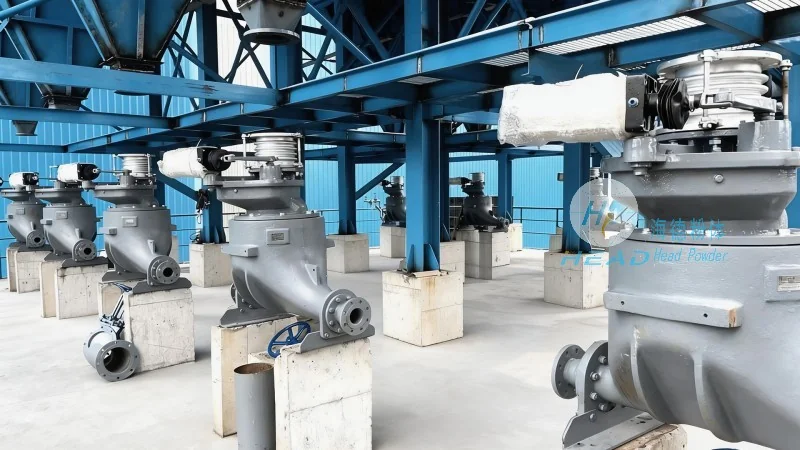
This selection aligns perfectly with the company's expertise in positive pressure pneumatic conveying. The system is designed to handle the specific bulk density and flow characteristics of the denitrification agents used in Finland. By utilizing high-quality piping and specialized valves, the system minimizes pressure drops and energy consumption, ensuring cost-effectiveness over the long term. The design also incorporates advanced filtration and dedusting units, ensuring that the air released back into the atmosphere meets strict environmental regulations.
Executing a project in Finland requires adherence to rigorous European standards regarding safety, material durability, and energy efficiency. Shandong Headpowder Engineering Co., Ltd. demonstrated its capability in delivering European pneumatic conveying solutions that meet these exacting criteria. The engineering team collaborated closely with local stakeholders to understand the specific climatic and operational conditions of the Kotka facility. The materials selected for the system were corrosion-resistant and capable of withstanding the harsh operating environments typical of flue gas treatment plants.
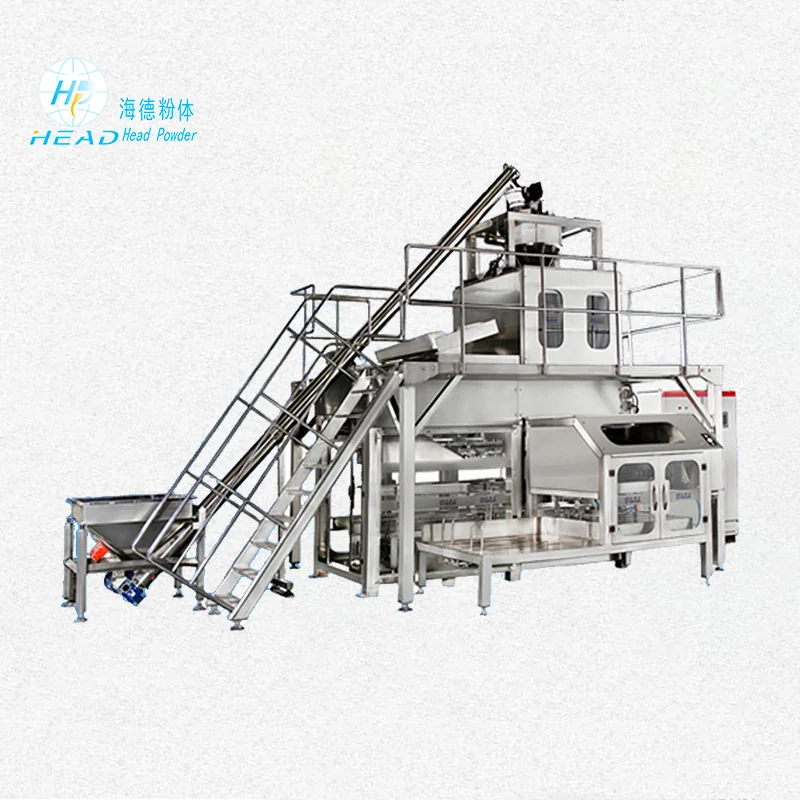
The system architecture was designed with modularity and scalability in mind. This allows for future adjustments to the plant's capacity without requiring a complete overhaul of the infrastructure. The control logic was programmed to provide real-time monitoring of pressure, flow, and blockage status, ensuring that operators can intervene immediately if any anomalies occur. This level of automation and precision is a hallmark of Shandong Headpowder Engineering Co., Ltd.'s engineering philosophy.
Shandong Headpowder Engineering Co., Ltd. has established itself as a leader in the field of powder handling solutions. Based in Shandong, China, the company leverages advanced manufacturing capabilities and deep technical knowledge to serve a global clientele. The success of the Kotka project is a testament to the company's ability to deliver customized solutions that solve complex engineering problems. The company specializes in various types of pneumatic conveying cases, ranging from food-grade transport to heavy industrial applications like the denitrification project in Finland.
The team behind this project consists of experienced engineers who understand the nuances of fluid dynamics and material science. Their approach is not merely to install machinery but to design a comprehensive material handling ecosystem. From the initial feasibility study to the final commissioning and training, every step is handled with meticulous attention to detail. This dedication ensures that the client receives a system that is not only functional but also easy to operate and maintain.
Safety is paramount in any industrial project, especially those involving pneumatic transport of chemicals. The Kotka project implemented several layers of safety protocols, including explosion-proof electrical equipment and inert gas backup systems to prevent dust explosions. The piping layout was optimized to eliminate sharp bends that could cause excessive pressure build-up or material accumulation. Regular maintenance schedules were established to ensure the longevity of the system components.
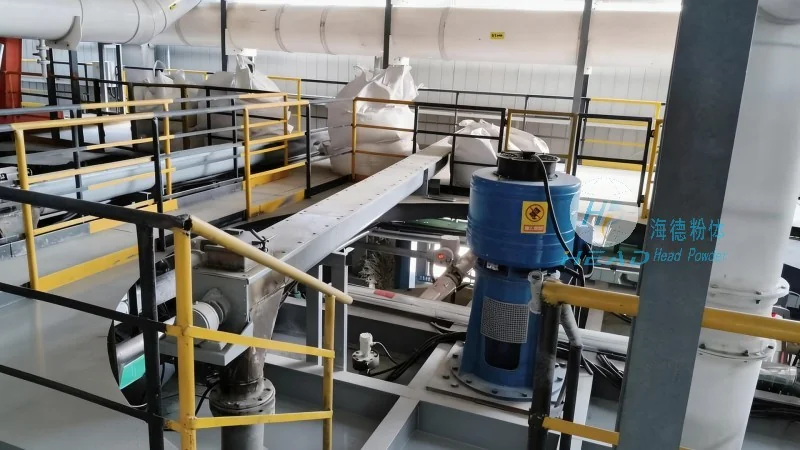
The installation process was managed by a highly skilled workforce, adhering to strict timelines and safety regulations. The final integration of the pneumatic system with the existing boiler control systems was seamless, allowing for automated control of the denitrification agent injection based on real-time flue gas analysis. This integration maximizes the efficiency of the chemical reaction, reducing the amount of reagent needed and minimizing the formation of secondary pollutants.
Successful project delivery relies heavily on effective communication between the engineering team and the client. Throughout the Kotka project, the team maintained open lines of dialogue to address concerns and incorporate feedback. The contact person, Manager Zhang, played a pivotal role in facilitating this collaboration. Manager Zhang ensured that the technical requirements were fully understood and that the project milestones were met efficiently. His expertise in project management ensured that the complex logistics of transporting equipment and coordinating with local authorities were handled smoothly.
Post-installation support is a critical service offered by Shandong Headpowder Engineering Co., Ltd. The company provides comprehensive training for the plant operators, ensuring they are proficient in operating the new pneumatic conveying system. This training covers everything from routine checks to troubleshooting complex issues, empowering the client to manage the system independently.
Choosing the right partner for pneumatic conveying is essential for the success of any industrial project. Shandong Headpowder Engineering Co., Ltd. offers a unique combination of technical expertise, manufacturing capability, and customer service. The company’s portfolio of pneumatic conveying cases demonstrates its versatility and ability to handle diverse industrial challenges. Whether the requirement is for a simple bulk material transport or a complex multi-point injection system, Headpowder provides tailored solutions that drive operational efficiency.
The company’s commitment to quality is reflected in every aspect of its work, from the selection of raw materials to the precision engineering of the final product. By investing in the latest technology and continuous staff training, Shandong Headpowder Engineering Co., Ltd. ensures that it remains at the forefront of the industry. The Kotka project is a prime example of how international standards can be met through local expertise and dedicated engineering.
For those interested in exploring how Shandong Headpowder Engineering Co., Ltd. can assist with pneumatic conveying solutions, the company is readily available for consultation. The project highlights the company's capability in handling demanding international projects with high standards of quality and reliability. Interested parties are encouraged to reach out to the dedicated team to discuss specific project requirements.
For direct inquiries, please contact Manager Zhang. He can be reached via WeChat at the number 15662777102. Manager Zhang and the team at Shandong Headpowder Engineering Co., Ltd. are ready to provide the technical support and engineering excellence needed to implement successful pneumatic conveying systems for your operations.

 Shandong Headpowder Engineering Co., Ltd.
 156-6277-7102(Manager Zhang)
  0531-83386006
  Zhangqiu District, Jinan City, Shandong Province, China
telephone
WeChatconsult
top