

Operation Process and Working Principle of Air-Driven Conveying for Recycled Sand Materials
HeadPowder, a leading provider in the field of material handling solutions, specializes in advanced air-driven conveying systems designed for the efficient transport of recycled sand materials. With a strong presence in Shandong, China, the company has established itself as a trusted partner for industries seeking reliable and sustainable material transport solutions.
Introduction to Air-Driven Conveying Systems for Recycled Sand
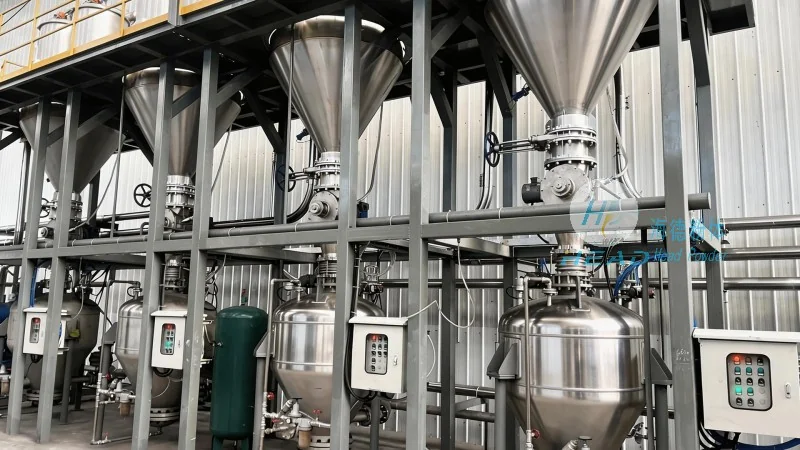
At HeadPowder, we understand the critical role that efficient material handling plays in modern manufacturing processes, particularly in the recycling and reclamation of sand materials. Our air-driven conveying systems are engineered to meet the unique challenges of transporting recycled sand, ensuring minimal loss, reduced downtime, and optimal performance. The technology behind these systems combines the principles of pneumatic transport with innovative design to deliver a robust solution for various industrial applications.
The Working Principle of Air-Driven Conveying
The core of our air-driven conveying system is the use of compressed air to create a flow of material through a pipeline. The process begins with the material being introduced into the conveying line, where it is mixed with the air stream. As the air flows through the system, it propels the sand particles forward, overcoming gravitational and frictional forces. This method eliminates the need for mechanical components like belts or buckets, reducing maintenance requirements and increasing operational reliability. The system operates by maintaining a consistent air pressure and flow rate, which ensures that the material is transported smoothly and without degradation.
Key Components and Their Functions
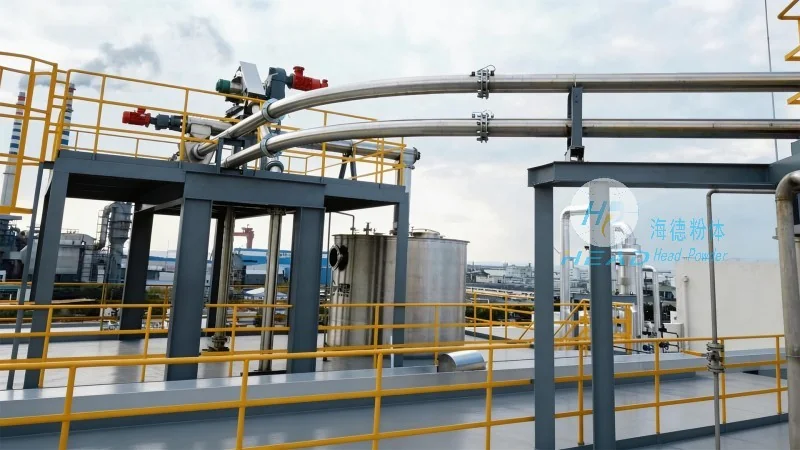
Our air-driven conveying system for recycled sand consists of several key components, each playing a vital role in the overall operation. The primary components include the material inlet, the conveying pipeline, the air supply unit, and the discharge outlet. The material inlet is designed to safely introduce the sand into the system, preventing any blockages or contamination. The conveying pipeline is typically made of durable materials such as stainless steel or PVC, ensuring resistance to abrasion and corrosion from the recycled sand. The air supply unit provides the necessary compressed air, which is regulated to maintain optimal pressure and flow. Finally, the discharge outlet allows the sand to be released at the desired location, completing the transport process.
Operation Process of the Conveying System
The operation of our air-driven conveying system for recycled sand follows a systematic process that ensures efficiency and reliability. The process starts with the preparation of the sand material, which may involve screening or cleaning to remove any impurities. The material is then fed into the inlet hopper, where it is mixed with the air stream. As the air flows through the pipeline, it carries the sand particles to the discharge point. The system continuously monitors the air pressure and flow rate, adjusting as needed to maintain consistent transport. This automated process minimizes human intervention, reducing the risk of errors and improving overall productivity. The entire operation is designed to be flexible, allowing for adjustments in material flow rate and pipeline length to accommodate different production needs.
Advantages of Using Air-Driven Conveying for Recycled Sand
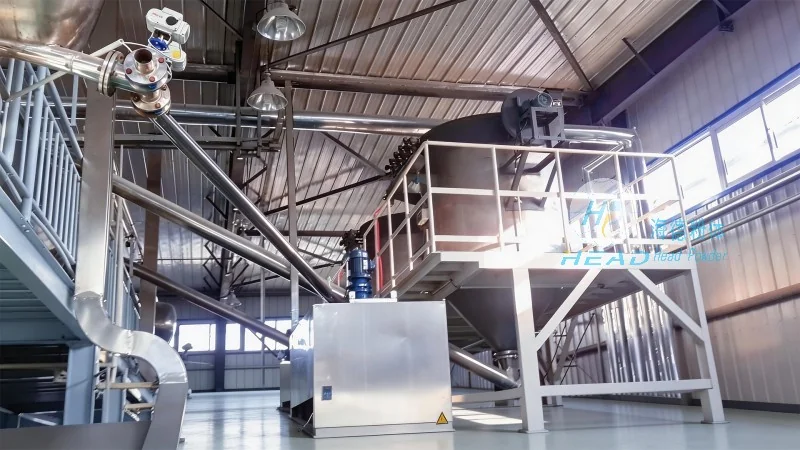
Implementing an air-driven conveying system for recycled sand offers numerous advantages over traditional mechanical methods. One of the most significant benefits is the reduction in material loss, as the system minimizes spillage and dust generation. This not only improves safety in the workplace but also reduces waste and operational costs. Additionally, the system is highly efficient in terms of energy consumption, as it uses compressed air rather than mechanical power to transport the material. This results in lower energy bills and a smaller carbon footprint, aligning with sustainability goals. The system also provides better control over the material flow, allowing for precise delivery to the processing equipment. Furthermore, the lack of moving parts reduces maintenance requirements, leading to lower downtime and increased equipment lifespan.
Applications and Industries
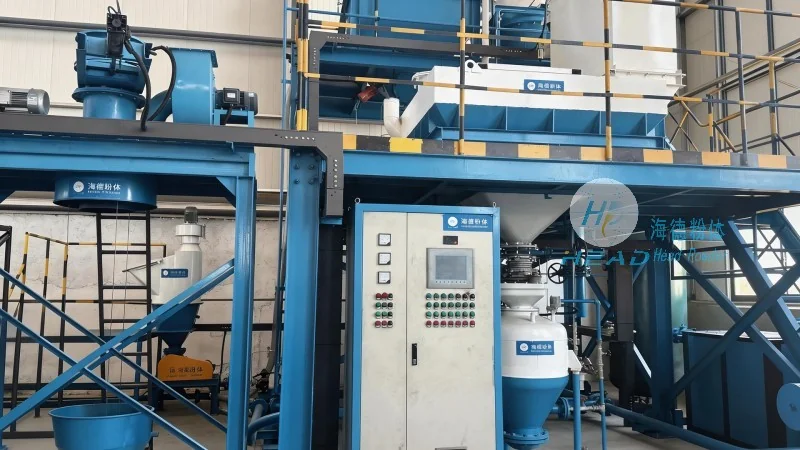
Our air-driven conveying systems for recycled sand are widely used in various industries, including foundries, construction, and mining. In foundries, the system is used to transport reclaimed sand from the molding process to the reclamation equipment, ensuring a continuous supply of recycled material. In construction, the system helps in the efficient transport of sand from storage sites to construction sites, reducing the need for manual handling and improving project timelines. In mining operations, the system is used to convey sand from processing plants to storage facilities, enhancing operational efficiency. The versatility of our system makes it suitable for a wide range of applications, providing tailored solutions for each industry's specific needs.
Conclusion and Company Information
HeadPowder Engineering Co., Ltd., based in Shandong, China, is committed to providing innovative and reliable air-driven conveying solutions for recycled sand materials. Our systems are designed to meet the highest standards of efficiency, safety, and sustainability, helping industries reduce costs and improve productivity. By leveraging advanced technology and expert engineering, we continue to set new benchmarks in material handling solutions. For more information about our air-driven conveying systems and how they can benefit your operations, please contact us at our Shandong headquarters.