

The Operation Process and Working Principle of Pneumatic Conveying for Gypsum Materials
HeadPowder, a leading provider of material handling solutions, specializes in the design, installation, and maintenance of pneumatic conveying systems tailored for gypsum materials. This article delves into the operational process and underlying principles of such systems, offering insights into how they efficiently transport gypsum while ensuring reliability and efficiency in industrial applications.
Key Characteristics of Gypsum and Their Impact on Conveying Systems
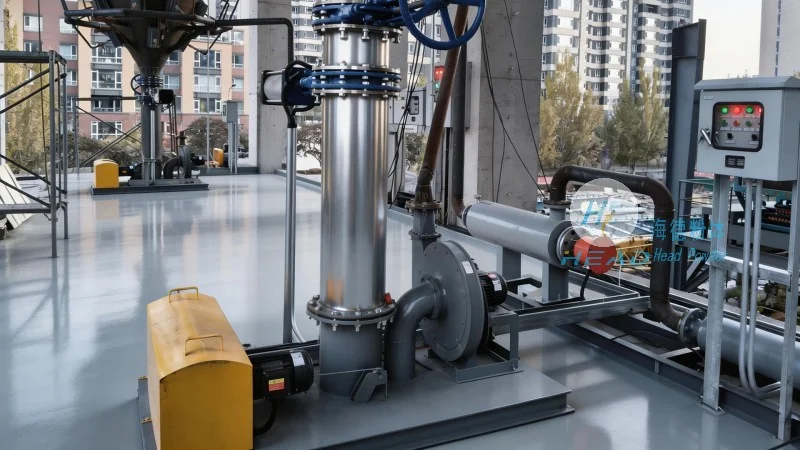
Gypsum, a naturally occurring mineral, is widely used in construction, manufacturing, and agricultural industries due to its properties like high bulk density and relatively low moisture content. However, its physical characteristics—such as particle size distribution, flowability, and abrasiveness—require specialized handling to prevent system blockages, equipment wear, and material degradation. Pneumatic conveying systems are engineered to address these challenges by utilizing air as the conveying medium, which allows for gentle material transport and minimal product damage.
The Pneumatic Conveying Operation Process
The operation of a pneumatic conveying system for gypsum typically involves several key stages. First, the gypsum material is fed into a hopper or silo, where it is stored and prepared for transport. A rotary valve or feeder then regulates the flow of material into the conveying line. Next, a blower or compressor generates the necessary air pressure to move the material through the pipeline. The air and material mixture travels through the system, passing through various components like bends, filters, and control valves. Finally, the material is discharged at the destination point, while the air is either filtered and recirculated or vented to the atmosphere. This continuous process ensures a steady flow of gypsum from the source to the processing or storage location.
Working Principle of Pneumatic Conveying Systems
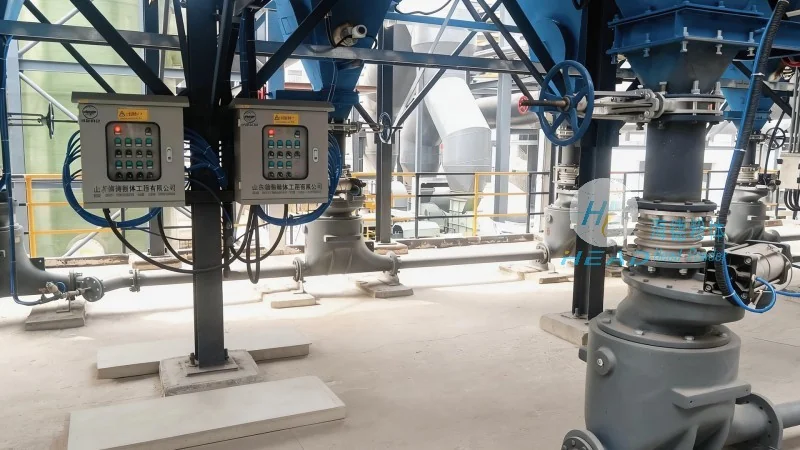
The core principle of pneumatic conveying is the use of air to create a flow of material within a closed pipeline. There are two main types of pneumatic conveying systems: dilute-phase and dense-phase. Dilute-phase systems operate at higher air velocities, typically 20-30 m/s, and are suitable for fine particles like gypsum dust. They rely on the air's kinetic energy to lift and transport the material. Dense-phase systems, on the other hand, use lower air velocities (5-15 m/s) and higher material concentrations, which results in a more stable and controlled flow. This method is ideal for handling larger particles or more abrasive materials, minimizing the risk of blockages and equipment wear. The choice between these systems depends on the specific characteristics of the gypsum material and the application requirements.
HeadPowder's Expertise in Gypsum Pneumatic Conveying Solutions
Shandong HeadPowder Engineering Co., Ltd., based in Shandong, China, has extensive experience in developing customized pneumatic conveying solutions for gypsum handling. The company's team of engineers and technicians works closely with clients to assess their specific needs, including material properties, production capacity, and operational constraints. By leveraging advanced design software and industry best practices, HeadPowder designs systems that optimize material flow, reduce energy consumption, and enhance overall system efficiency. The company provides comprehensive services, from initial consultation and system design to installation, commissioning, and ongoing maintenance. This end-to-end approach ensures that clients receive a reliable and cost-effective solution tailored to their gypsum conveying requirements.
Technical Advantages and Considerations for Gypsum Pneumatic Conveying
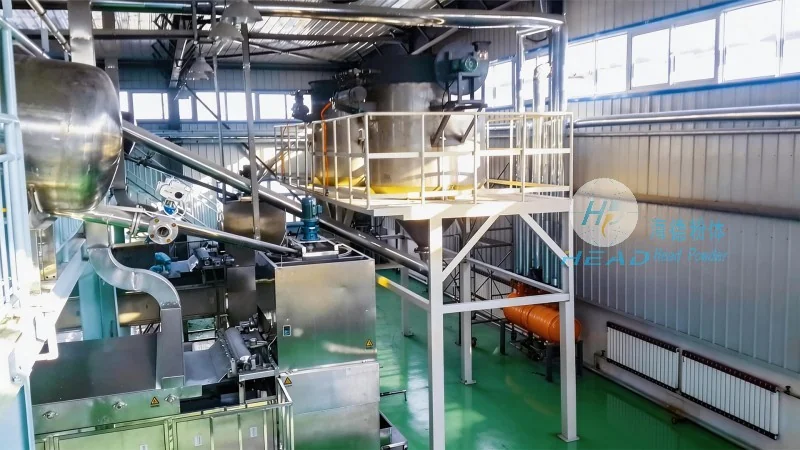
Pneumatic conveying systems offer several advantages when handling gypsum, including the ability to transport materials over long distances, handle multiple points of loading and unloading, and maintain product integrity. However, there are also considerations to keep in mind, such as the need for proper air filtration to prevent dust accumulation and system contamination. Additionally, the system design must account for the material's abrasiveness to minimize wear on components like pipelines, valves, and blower housings. HeadPowder addresses these challenges by using high-quality materials and components, such as stainless steel or abrasion-resistant coatings, to extend the system's lifespan and reduce maintenance costs. The company also incorporates advanced control systems to monitor and adjust the conveying process in real-time, ensuring optimal performance and minimizing downtime.
Conclusion: Efficient and Reliable Gypsum Conveying with HeadPowder
In conclusion, pneumatic conveying systems provide an efficient and effective method for transporting gypsum materials in industrial settings. The operation process, which involves material feeding, air generation, and transport through a pipeline, is designed to handle the unique characteristics of gypsum while ensuring minimal product damage and system reliability. HeadPowder, with its expertise and commitment to quality, offers customized solutions that meet the specific needs of clients. By leveraging advanced technology and industry knowledge, the company ensures that its pneumatic conveying systems deliver long-term performance and value, helping clients optimize their gypsum handling operations and improve overall productivity.