With more than 10‑year industry experience, Shandong Headpowder delivers full‑service pneumatic‑conveying systems and blowers, undertaking nationwide turn‑key powder‑handling projects.
HeadPowder Engineering Co., Ltd., a leading manufacturer based in Shandong, China, specializes in the design, production, and installation of advanced pneumatic conveying systems for bulk material handling. The company's core focus is on providing efficient and reliable solutions for loading and unloading operations in various industrial sectors, including mining, chemicals, food processing, and more. With a strong commitment to quality and innovation, HeadPowder has established itself as a trusted partner for businesses seeking to optimize their material transport processes.
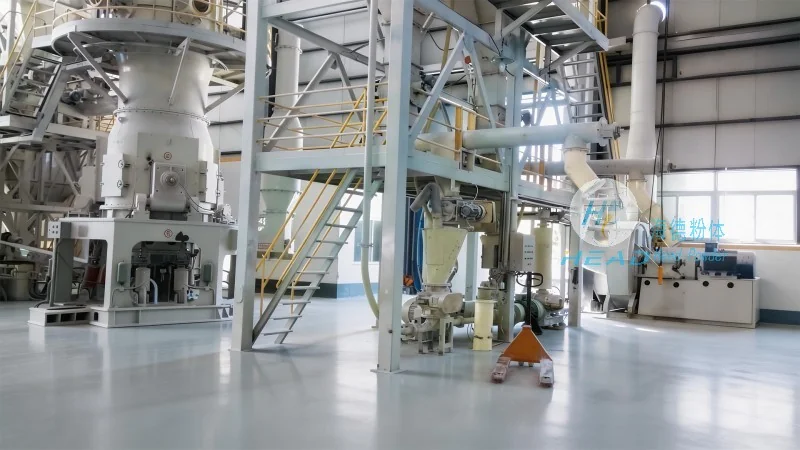
Bulk loading and unloading pneumatic conveying systems are sophisticated equipment designed to transport dry bulk materials such as powders, granules, and pellets from one location to another using air as the conveying medium. These systems are widely used in industries where traditional mechanical conveying methods may be impractical or inefficient. The primary advantage of pneumatic conveying is its ability to handle a wide range of materials, including those that are dusty, corrosive, or have high moisture content, while minimizing material degradation and contamination.
The fundamental principle behind pneumatic conveying is the use of air pressure to move materials through a pipeline. There are two main types of pneumatic conveying systems: pressure and vacuum. In pressure systems, air is compressed and forced through the pipeline, carrying the material forward. In vacuum systems, a vacuum is created at the receiving end, drawing the material into the pipeline. The choice between pressure and vacuum depends on factors such as the distance to be covered, the material characteristics, and the desired flow rate. The system typically consists of a hopper for material storage, a feeder to control the flow rate, a conveying line, and a receiver for the discharged material.
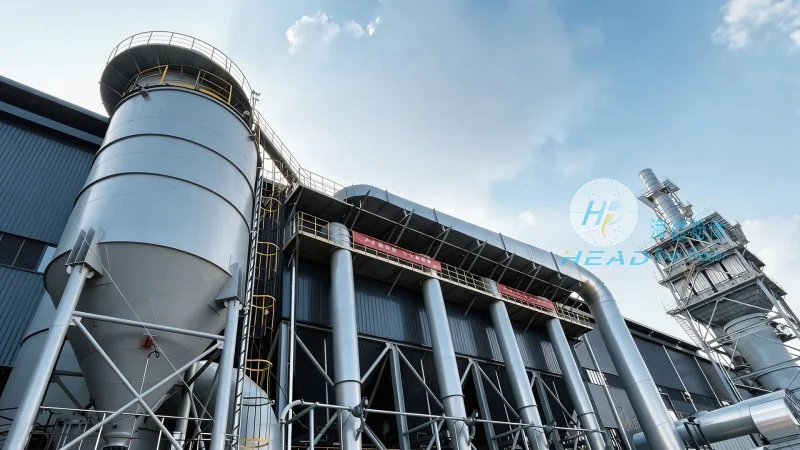
The operation process of a bulk loading and unloading pneumatic conveying system involves several key steps, each designed to ensure efficient and safe material transport. The process begins with the loading of material into the hopper. The feeder then regulates the flow of material into the conveying line, ensuring a consistent and controlled feed rate. The compressed air or vacuum is applied to the system, creating the necessary pressure or suction to move the material through the pipeline. As the material travels through the conveying line, it is transported to the receiving hopper or storage silo at the destination. The system is equipped with sensors and controls to monitor the flow rate, pressure, and other parameters, allowing for real-time adjustments to maintain optimal performance.
Several critical components work together to ensure the smooth operation of a pneumatic conveying system. The hopper serves as the primary storage container, providing a large capacity for bulk materials. The feeder, often a rotary valve or a screw feeder, controls the material flow rate, preventing overloading or underloading of the system. The conveying line, typically made of stainless steel or other corrosion-resistant materials, is designed to withstand the pressure and temperature of the conveying process. The receiver at the end of the line collects the material and may include a discharge valve or a discharge hopper. Additionally, the system includes a blower or a vacuum pump to generate the necessary air pressure or suction. Filters and cyclones are used to separate the material from the air, ensuring that the material is not lost and that the air is clean before being discharged.
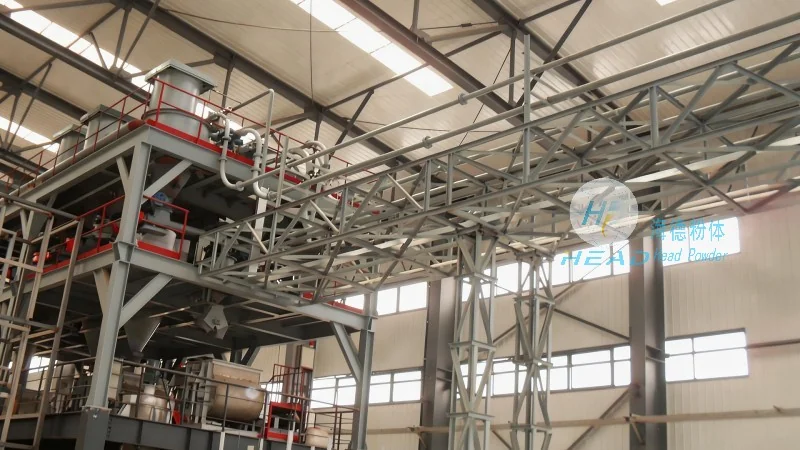
Bulk loading and unloading pneumatic conveying systems offer numerous advantages over traditional mechanical conveying methods. These include reduced labor costs, as the system can operate automatically with minimal human intervention. The systems are also highly flexible, allowing for easy reconfiguration to accommodate changes in material flow or process requirements. Pneumatic conveying minimizes material degradation and contamination, as the material is not in direct contact with the conveying equipment. Additionally, the systems are compact and can be installed in confined spaces, making them suitable for facilities with limited floor space. The ability to handle a wide range of materials, including those that are difficult to transport mechanically, makes pneumatic conveying an ideal solution for many industrial applications.
The versatility of bulk loading and unloading pneumatic conveying systems makes them suitable for a wide range of industrial applications. In the mining industry, these systems are used to transport ore from mines to processing plants. In the chemical industry, they are used to handle powders and granules, such as fertilizers and chemicals. The food processing industry utilizes pneumatic conveying systems to transport ingredients like flour, sugar, and spices, ensuring that the materials are handled hygienically and without contamination. The pharmaceutical industry also benefits from these systems, as they can handle sensitive materials while maintaining strict cleanliness standards. Overall, the systems are a critical component in many industrial processes, enabling efficient and reliable material transport.
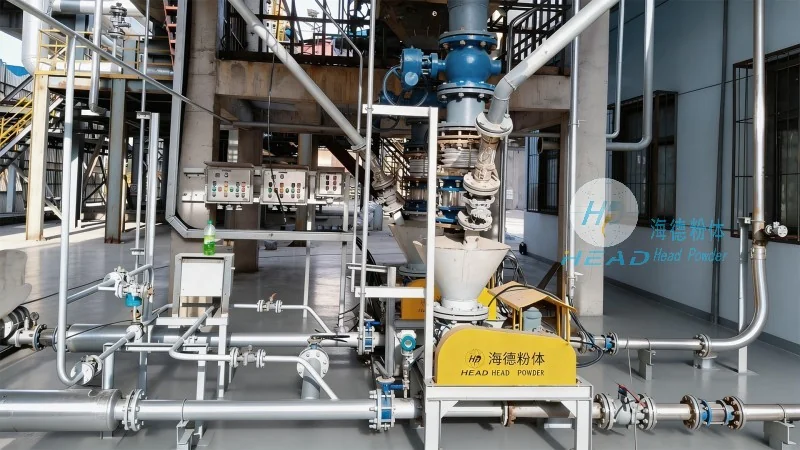
To ensure the long-term performance and reliability of a pneumatic conveying system, regular maintenance is essential. This includes cleaning the hopper and feeder to prevent material buildup, inspecting the conveying line for leaks or damage, and checking the blower or vacuum pump for proper operation. Regular filter changes are also necessary to maintain air quality and prevent clogging. Common issues that may arise in pneumatic conveying systems include material blockages, pressure fluctuations, and air leaks. These issues can often be resolved by adjusting the feeder settings, clearing blockages, or repairing leaks. Proper maintenance and troubleshooting procedures can help to minimize downtime and ensure that the system operates at peak efficiency.
Bulk loading and unloading pneumatic conveying systems are advanced equipment that play a crucial role in modern industrial material handling. With their ability to efficiently transport a wide range of materials, these systems offer significant advantages over traditional mechanical conveying methods. HeadPowder Engineering Co., Ltd. provides high-quality pneumatic conveying systems that are designed to meet the specific needs of various industries. By understanding the operation process and working principles of these systems, businesses can optimize their material transport processes and improve overall operational efficiency.

 Shandong Headpowder Engineering Co., Ltd.
 156-6277-7102(Manager Zhang)
  0531-83386006
  Zhangqiu District, Jinan City, Shandong Province, China
telephone
WeChatconsult
top