With more than 10‑year industry experience, Shandong Headpowder delivers full‑service pneumatic‑conveying systems and blowers, undertaking nationwide turn‑key powder‑handling projects.
Silica sand pneumatic conveying systems are essential equipment in various industrial applications, particularly in the processing and transportation of fine powders like silica sand. These systems offer an efficient and reliable method for moving materials over short to medium distances, often with minimal environmental impact compared to traditional methods such as belt conveyors or trucks. The operation and working principles of such systems are crucial for understanding their performance and maintenance requirements.
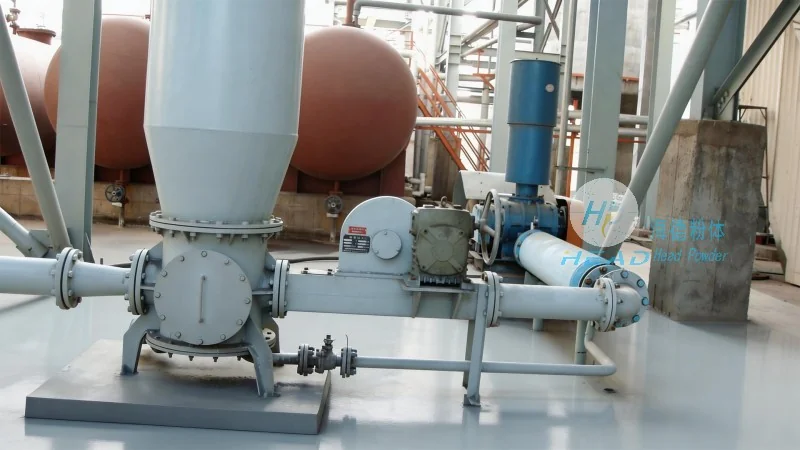
The silica sand pneumatic conveying system typically consists of several key components that work in tandem to achieve material transport. The primary components include a material feeder, a conveying pipeline, a pneumatic power source (air compressor), a separation and collection unit, and a discharge device. Each component plays a specific role in the overall operation:
The operation of a silica sand pneumatic conveying system follows a systematic process, starting from the initial feeding of material to the final discharge. Here is a detailed breakdown of the typical operation steps:
The working principle of a silica sand pneumatic conveying system is based on the fundamental physics of fluid dynamics and particle suspension. The system operates by using compressed air to create a flow that can transport solid particles. There are two main types of pneumatic conveying systems: suction (or vacuum) and pressure systems, each with distinct operating principles:
Suction (Vacuum) Systems: In suction systems, a vacuum is created at the receiving end to draw the air-sand mixture into the pipeline. The air compressor is located at the discharge end, providing the necessary pressure to move the material back to the source. This type of system is often used for short distances and when the material needs to be transported from multiple points to a central collection point.
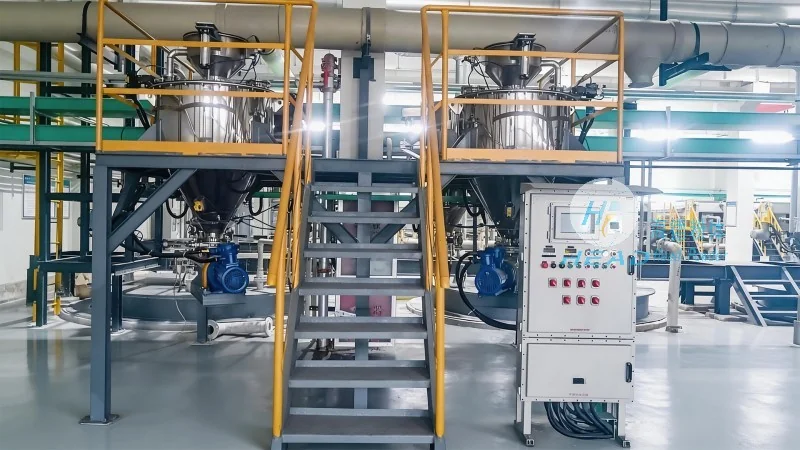
Pressure Systems: Pressure systems use compressed air to push the material through the pipeline from the source to the destination. The air compressor is located at the source end, and the system operates under positive pressure throughout the pipeline. This type of system is suitable for longer distances and when the material needs to be transported to multiple discharge points.
The core principle in both systems is the creation of a high-velocity air stream that can overcome the gravitational force acting on the sand particles. The air velocity must be greater than the terminal velocity of the particles to keep them suspended. The pressure drop along the pipeline is a critical factor, as it determines the energy required to move the material and the overall system efficiency.
Silica sand pneumatic conveying systems offer several advantages over traditional material handling methods. These include:
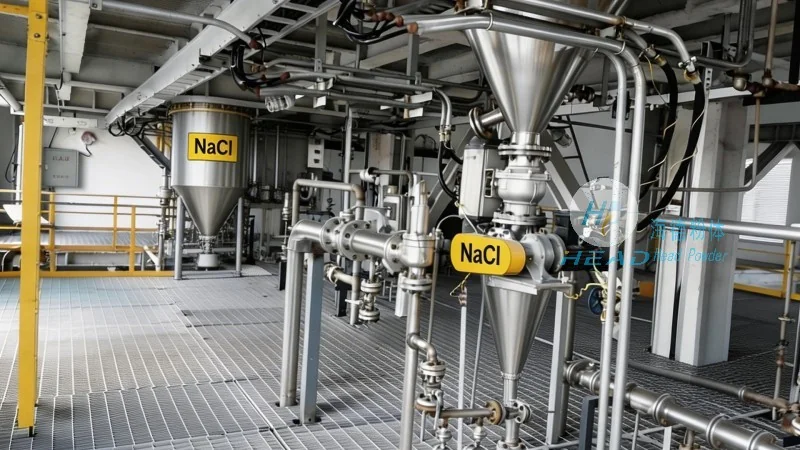
However, there are also considerations to keep in mind when implementing a silica sand pneumatic conveying system. These include the need for proper air filtration to prevent dust buildup in the compressor and pipeline, the importance of maintaining consistent air pressure to ensure reliable operation, and the potential for wear on components due to the abrasive nature of silica sand.
Silica sand pneumatic conveying systems are widely used in various industries that require the handling of fine powders. Some of the key applications include:
These systems are particularly valuable in industries where dust control and material purity are critical, as pneumatic conveying minimizes contamination and ensures a clean handling process.
Silica sand pneumatic conveying systems are sophisticated equipment that combine advanced engineering with practical application to efficiently transport fine materials. Understanding the operation process and working principles is essential for optimizing system performance, ensuring reliable operation, and maintaining the longevity of the equipment. Companies like Shandong HeadPowder Engineering Co., Ltd. specialize in designing and manufacturing such systems, providing tailored solutions to meet the specific needs of various industries. By leveraging the benefits of pneumatic conveying, businesses can enhance their production efficiency, improve environmental compliance, and reduce operational costs.

 Shandong Headpowder Engineering Co., Ltd.
 156-6277-7102(Manager Zhang)
  0531-83386006
  Zhangqiu District, Jinan City, Shandong Province, China
telephone
WeChatconsult
top