With more than 10‑year industry experience, Shandong Headpowder delivers full‑service pneumatic‑conveying systems and blowers, undertaking nationwide turn‑key powder‑handling projects.
Ship loading and unloading material conveying lines are critical components in modern port operations, designed to efficiently transfer bulk materials between vessels and shore facilities. These systems play a pivotal role in enhancing operational efficiency, reducing labor costs, and ensuring safety in high-volume cargo handling environments. The following article explores the fundamental principles governing such systems and highlights key working scene characteristics that define their application in various maritime logistics settings.
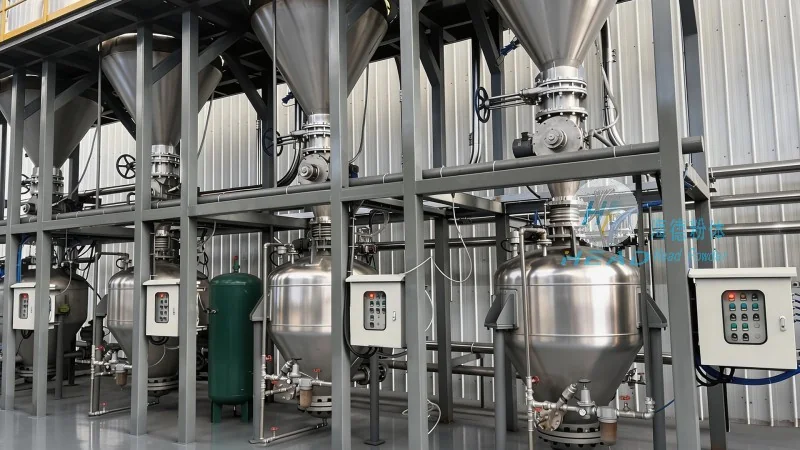
HeadPowder, a leading engineering firm based in Shandong, China, specializes in the design, manufacturing, and implementation of advanced material handling solutions for the maritime industry. With a strong commitment to innovation and customer-centric service, HeadPowder has established itself as a trusted partner for ports and shipping companies worldwide. The company’s expertise in conveying systems is built on decades of experience in optimizing material flow, improving throughput, and ensuring compliance with industry standards. This article delves into the core principles of ship loading and unloading material conveying lines, supported by insights from HeadPowder’s engineering team.
The fundamental principle of ship loading and unloading material conveying lines is to create a continuous, automated flow of bulk materials, such as coal, grain, ore, or containerized goods, between the ship and the shore. These systems typically consist of a combination of components, including feeders, conveyors (e.g., belt conveyors, screw conveyors, or pneumatic systems), transfer mechanisms, and control systems. The operation is driven by mechanical or electrical power, which enables the movement of materials through a series of stages, from intake at the ship's hold to discharge at the storage or processing facility on land. Key operational principles include:
1. **Continuous Flow**: The system is designed to maintain a steady, uninterrupted flow of materials, minimizing downtime and maximizing throughput. This is achieved through the use of robust conveyor belts or pipes that can handle high volumes of cargo without frequent stops.
2. **Modular Design**: Many modern conveying lines are modular, allowing for flexibility in configuration and expansion. This enables ports to adapt to changing cargo volumes or to integrate new technologies as needed.
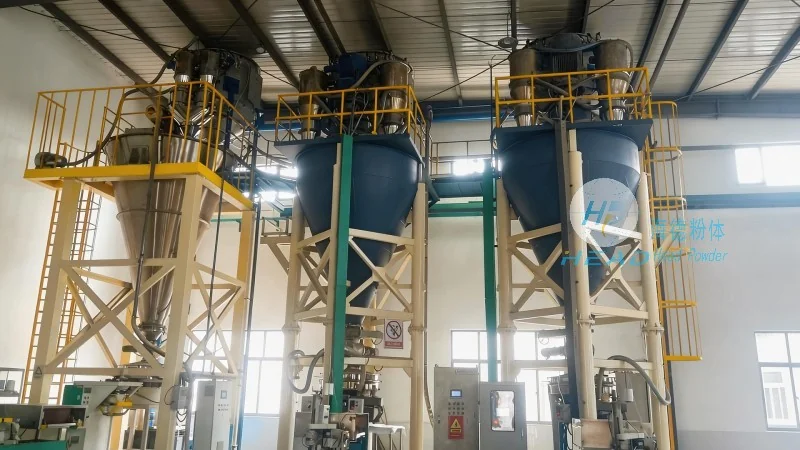
3. **Energy Efficiency**: Advanced systems incorporate energy-saving features, such as variable speed drives and optimized power transmission, to reduce operational costs and environmental impact.
4. **Safety and Reliability**: The design prioritizes safety through features like emergency stop mechanisms, overload protection, and regular maintenance protocols. Reliability is ensured through the use of high-quality materials and components that can withstand harsh marine environments.
The working scene characteristics of ship loading and unloading material conveying lines vary significantly based on the type of cargo, the size of the vessel, and the specific port infrastructure. Understanding these characteristics is essential for optimizing system performance and ensuring efficient operations. Key aspects include:
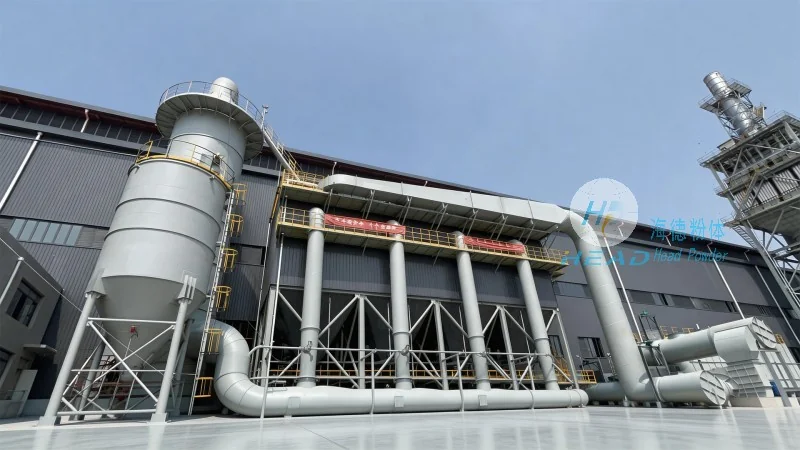
1. **Port Infrastructure Integration**: The system must be seamlessly integrated with existing port facilities, including storage silos, warehouses, and loading/unloading docks. This requires careful planning to ensure compatibility with the port’s layout and operational procedures.
2. **Cargo Handling Capacity**: The conveying line’s capacity is determined by factors such as the type of cargo (e.g., bulk vs. containerized), the vessel’s hold size, and the required throughput rate. For example, a system designed for coal may have a higher capacity than one for grain, due to differences in material density and flow characteristics.
3. **Environmental Considerations**: Modern systems often incorporate measures to minimize environmental impact, such as dust suppression systems, noise reduction technologies, and waste management protocols. This is particularly important in coastal areas where environmental regulations are stringent.
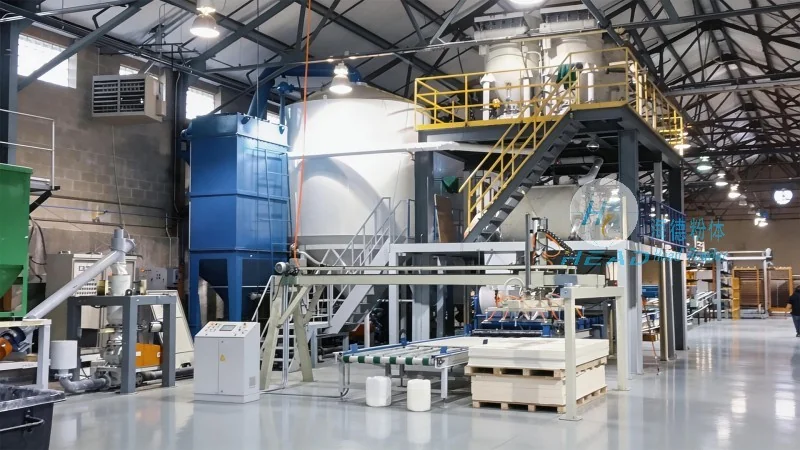
4. **Operational Flexibility**: The ability to handle multiple types of cargo or to switch between loading and unloading modes is a critical characteristic. This flexibility allows ports to adapt to changing market demands and to serve a diverse range of clients.
HeadPowder has implemented numerous ship loading and unloading material conveying lines in ports across China and internationally. For instance, a major coal terminal in Shandong utilized a belt conveyor system designed by HeadPowder to transfer coal from ships to storage silos. The system, with a capacity of 2,000 tons per hour, significantly reduced loading times and improved overall efficiency. Another project involved a grain terminal in the Yangtze River Delta, where a pneumatic conveying system was installed to handle wheat and corn. This system, with a capacity of 1,500 tons per hour, enabled the terminal to meet high demand during peak harvest seasons.
In both cases, the systems were tailored to the specific operational requirements of the port, incorporating features such as adjustable speed controls, automated monitoring, and remote operation capabilities. The success of these projects highlights the importance of customizing conveying solutions to meet the unique needs of each client.
Ship loading and unloading material conveying lines are indispensable tools for modern port operations, offering significant advantages in terms of efficiency, cost-effectiveness, and safety. As the maritime industry continues to evolve, the demand for advanced conveying systems will only increase. HeadPowder remains at the forefront of this evolution, leveraging cutting-edge technology and engineering expertise to deliver solutions that meet the challenges of today and tomorrow. By focusing on principles such as continuous flow, modular design, and environmental sustainability, these systems will continue to play a vital role in ensuring the smooth and efficient movement of goods across global supply chains.

 Shandong Headpowder Engineering Co., Ltd.
 156-6277-7102(Manager Zhang)
  0531-83386006
  Zhangqiu District, Jinan City, Shandong Province, China
telephone
WeChatconsult
top