With more than 10‑year industry experience, Shandong Headpowder delivers full‑service pneumatic‑conveying systems and blowers, undertaking nationwide turn‑key powder‑handling projects.
Pneumatic conveying is a critical technology in the sugar processing industry, enabling efficient and safe transportation of sugar materials from one location to another. This method involves using air or gas to move bulk materials like raw sugar, refined sugar, or sugar by-products through a pipeline system. The process is essential for optimizing production lines, reducing labor costs, and enhancing overall operational efficiency in sugar mills and processing facilities. HeadPowder, a leading provider of engineering solutions for the food and bulk material processing industry, specializes in designing and manufacturing pneumatic conveying systems tailored to the specific needs of sugar processing operations. With decades of experience, HeadPowder has developed advanced systems that ensure high efficiency, minimal product degradation, and compliance with industry standards.
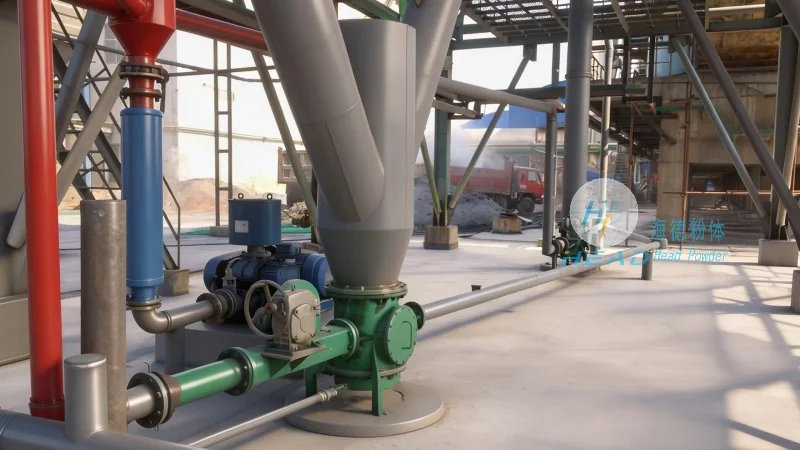
The core principle of sugar material pneumatic conveying is the utilization of air flow to transport granular or powdered materials. In this system, a fan or blower generates a high-pressure air stream that propels the sugar particles through a pipeline. The design typically includes a hopper or feeder to introduce the sugar into the system, a pipeline network to direct the flow, and a receiver or discharge point where the material is collected. The air velocity and pressure are carefully controlled to ensure the sugar particles are carried without excessive wear on the equipment and to maintain the material's quality.
Several key components work together to ensure the smooth operation of a sugar pneumatic conveying system. The first is the air mover, which can be a centrifugal fan or a positive displacement blower. This component generates the necessary air pressure and flow rate to transport the sugar. Next is the feed system, which includes a hopper and a feeder (such as a rotary valve or screw feeder) that controls the flow of sugar into the pipeline. The pipeline itself is made of materials like stainless steel or plastic, chosen for their resistance to corrosion and abrasion from the sugar particles. The separation system at the end of the pipeline uses a cyclone or filter to separate the sugar from the air, ensuring the material is collected cleanly. Finally, the receiver or storage bin holds the conveyed sugar until it is used in the next stage of processing.
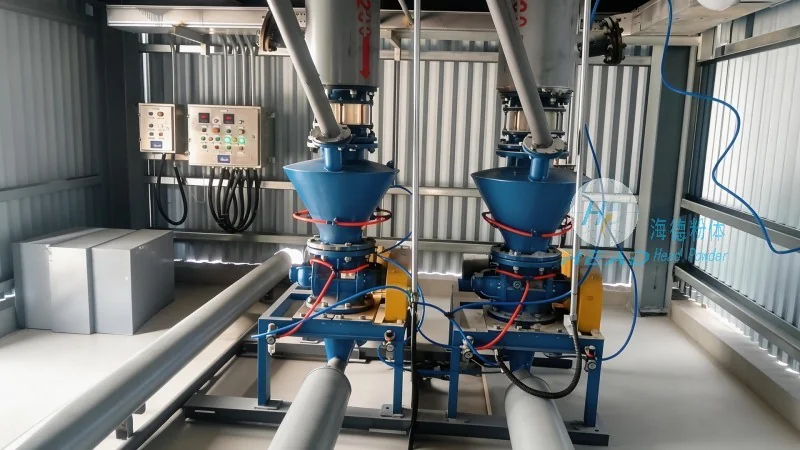
The working scene characteristics of sugar pneumatic conveying systems are tailored to the specific needs of sugar processing environments. These systems are often found in large-scale sugar mills where bulk quantities of sugar need to be moved between processing stages, such as from raw sugar storage to refining equipment, or from the refining line to packaging areas. The key characteristics include high efficiency in moving large volumes of sugar, minimal product degradation due to gentle handling, and the ability to operate in clean, controlled environments that are essential for maintaining the quality of refined sugar products.
Implementing pneumatic conveying for sugar materials offers several significant advantages. One major benefit is the reduction in labor costs, as automated systems can handle the transportation of sugar without the need for manual handling. Additionally, the process minimizes product contamination and loss, as the sugar remains enclosed within the pipeline system. Another advantage is the flexibility of the system, which can be easily adjusted to handle different types of sugar products, such as granulated sugar, powdered sugar, or sugar syrups. The system also allows for the integration of multiple processing stages, improving overall production line efficiency. Furthermore, pneumatic conveying systems are relatively compact and can be installed in confined spaces, making them suitable for modern sugar processing facilities with limited floor space.
Sugar pneumatic conveying systems are widely used in various applications within the sugar industry. For instance, in a typical sugar mill, the system may be used to transport raw sugar from storage silos to the refining equipment, where it undergoes processes like washing, crystallization, and drying. The conveyed sugar is then moved to the packaging line, where it is packaged into bags or containers for distribution. Another application is the transport of sugar by-products, such as molasses or sugar beet pulp, from the processing line to storage or disposal areas. These systems are also used in the production of specialty sugars, such as powdered sugar or confectionery sugar, where precise control over the material's flow and handling is critical to maintaining product quality.
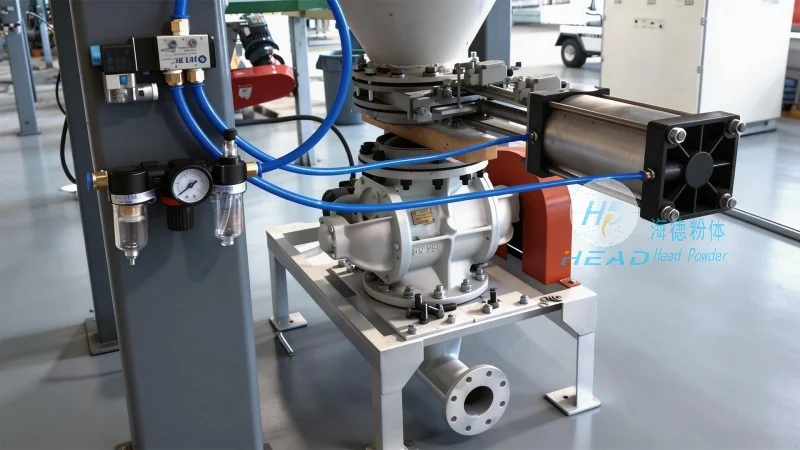
When selecting and implementing a sugar pneumatic conveying system, several factors must be considered to ensure optimal performance and efficiency. The first consideration is the type of sugar material being transported, as different sugars have varying particle sizes and moisture content, which affect the system's design. For example, granulated sugar requires a different air velocity and pressure compared to powdered sugar. The second factor is the volume of sugar to be transported, as larger volumes may require more powerful air movers and larger pipelines. The third consideration is the distance and layout of the transportation route, as the system's design must account for the pipeline length and any changes in elevation. Additionally, the system must be designed to handle the potential for product degradation, such as caking or agglomeration, which can occur if the sugar is not handled gently. Finally, the system must comply with industry standards and regulations regarding food safety and equipment maintenance.
In conclusion, pneumatic conveying is a vital technology in the sugar industry, providing efficient and reliable transportation of sugar materials. The principle of using air to move sugar particles through a pipeline system offers significant advantages over traditional methods, such as manual handling or mechanical conveyors. By understanding the key components, working scene characteristics, and advantages of pneumatic conveying, sugar processing facilities can optimize their operations and improve overall productivity. As the sugar industry continues to evolve, the use of advanced pneumatic conveying systems will remain essential for meeting the demands of modern sugar production and processing.

 Shandong Headpowder Engineering Co., Ltd.
 156-6277-7102(Manager Zhang)
  0531-83386006
  Zhangqiu District, Jinan City, Shandong Province, China
telephone
WeChatconsult
top