

Principle and Working Scene Characteristics of High-Alumina Fly Ash Powder Pneumatic Conveying Syste
High-alumina fly ash, a byproduct of coal combustion, is widely used in construction and industrial applications due to its unique properties. Efficient and reliable transportation of this powder is crucial for maintaining production efficiency and product quality. Pneumatic conveying systems have emerged as a preferred solution for handling high-alumina fly ash powder, offering advantages such as low maintenance, minimal product contamination, and the ability to transport materials over long distances. This article explores the fundamental principles behind high-alumina fly ash powder pneumatic conveying systems and highlights the key working scene characteristics that make them suitable for various industrial applications.
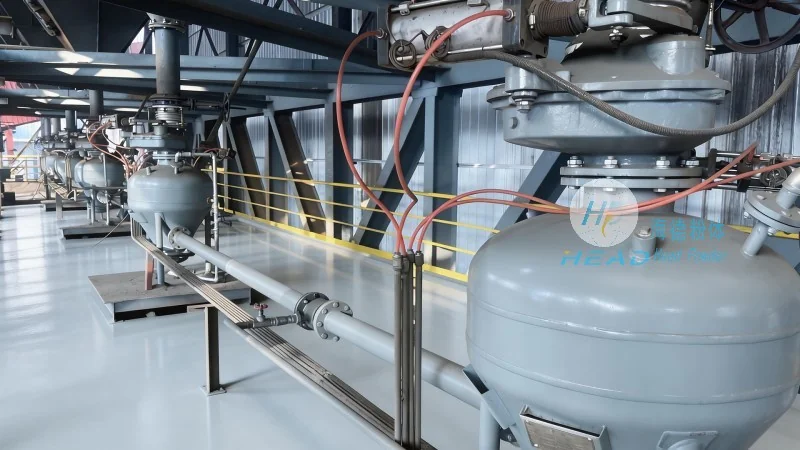
The Core Principle of Pneumatic Conveying for High-Alumina Fly Ash
The pneumatic conveying system for high-alumina fly ash powder operates on the principle of transporting bulk materials through a pipeline using compressed air or other gas. The system typically consists of a hopper, a rotary valve, a conveying line, and a receiver. The high-alumina fly ash is fed into the hopper, and a rotary valve controls the flow of material into the conveying line. Compressed air is then introduced into the line, creating a pressure differential that propels the powder forward. The velocity of the air and the design of the pipeline are critical factors in ensuring efficient and consistent material transport. The system's ability to handle abrasive materials like high-alumina fly ash is enhanced by using materials such as stainless steel or special coatings for the conveying components to minimize wear and extend the system's lifespan.
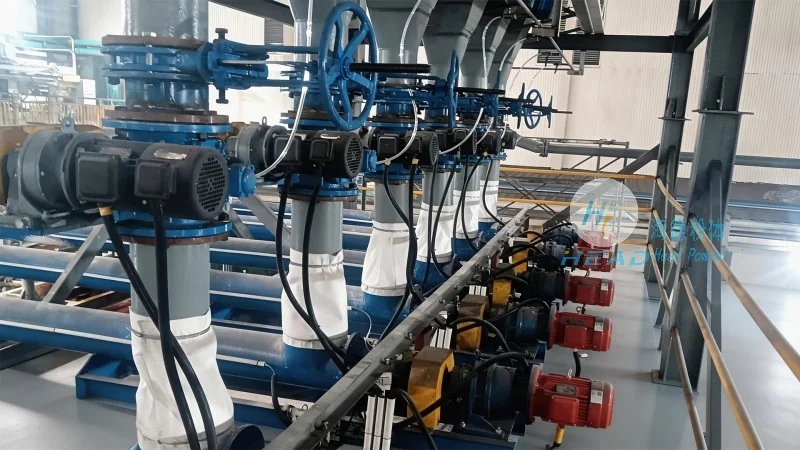
Key Working Scene Characteristics of High-Alumina Fly Ash Pneumatic Conveying Systems
High-alumina fly ash pneumatic conveying systems are designed to operate in diverse industrial environments, each with specific requirements. The following characteristics are essential for their effective performance in various working scenes:
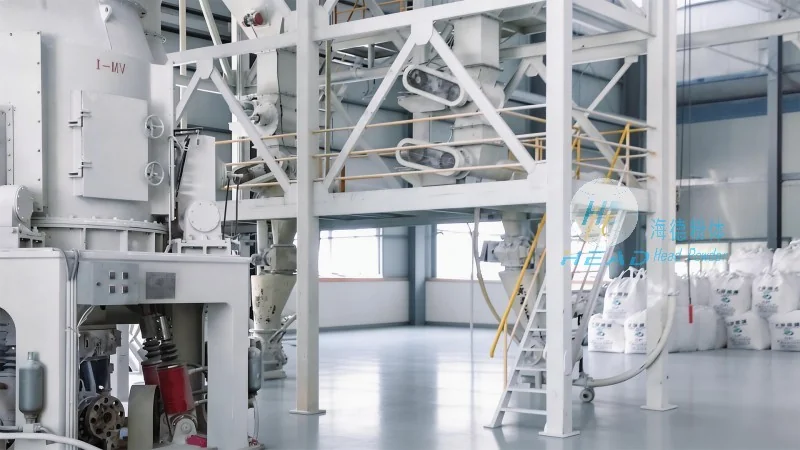
- Long-Distance Transport: These systems are capable of transporting high-alumina fly ash over significant distances, from a few meters to several kilometers, without the need for intermediate storage or manual handling. This is particularly beneficial in large-scale industrial plants where materials need to be moved between different production units or storage facilities.
- Low Product Contamination: Pneumatic conveying minimizes product contamination compared to mechanical systems, as there is no direct contact between the material and the conveying equipment. This is crucial for high-alumina fly ash, which is often used in applications where purity is essential, such as in cement production or as a raw material for refractory materials.
- Reduced Maintenance and Downtime: Compared to mechanical conveying systems like belt conveyors or screw conveyors, pneumatic systems require less maintenance and have lower downtime. The absence of moving parts in the conveying line (except for the rotary valve and air compressor) reduces the risk of mechanical failure and simplifies routine maintenance.
- Adaptability to Varying Flow Rates: High-alumina fly ash pneumatic conveying systems can be adjusted to handle varying flow rates, from low to high, depending on the production requirements. This flexibility allows for seamless integration into existing production lines and enables efficient material handling during different operational phases.
- Energy Efficiency: Modern pneumatic conveying systems are designed to be energy-efficient, with optimized air flow and pressure control. This reduces operational costs and makes the system more environmentally friendly, aligning with the growing emphasis on sustainable industrial practices.
Application Scenarios and Industrial Use Cases
High-alumina fly ash pneumatic conveying systems are widely used in various industrial sectors, including cement manufacturing, refractory production, and construction material processing. In cement plants, these systems are employed to transport high-alumina fly ash from storage silos to the raw material preparation area, ensuring a consistent supply of the material for cement production. In refractory manufacturing, the system helps in conveying high-alumina fly ash to the mixing and molding processes, where the material is used as a key component in the production of refractory bricks and other products. Additionally, in construction material processing plants, the system facilitates the transport of high-alumina fly ash to mixing facilities, where it is incorporated into concrete or other building materials.
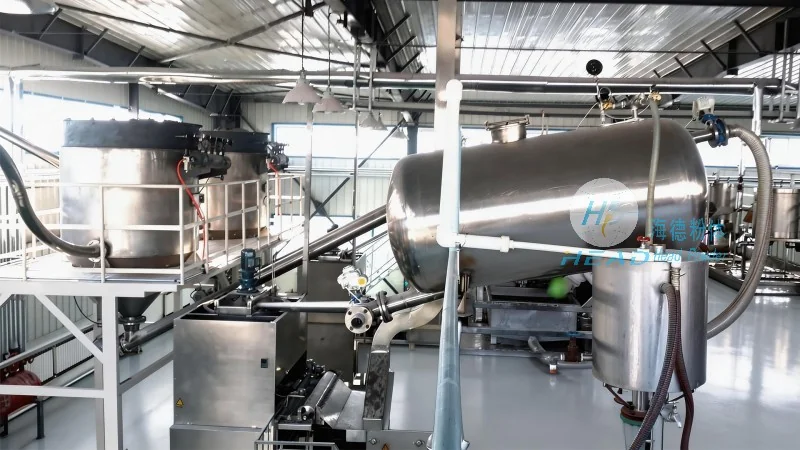
Company Overview: Shandong HeadPowder Engineering Co., Ltd.
Shandong HeadPowder Engineering Co., Ltd., operating under the brand name HeadPowder, is a leading provider of specialized engineering solutions for bulk material handling, including high-alumina fly ash powder pneumatic conveying systems. With a strong commitment to innovation and quality, the company has developed advanced systems that meet the demanding requirements of modern industrial applications. HeadPowder's expertise lies in designing and manufacturing customized pneumatic conveying solutions that are tailored to the specific needs of each client, ensuring optimal performance and reliability. The company's facilities are located in Shandong, China, where it leverages local resources and expertise to deliver high-quality products and services to customers worldwide.