With more than 10‑year industry experience, Shandong Headpowder delivers full‑service pneumatic‑conveying systems and blowers, undertaking nationwide turn‑key powder‑handling projects.
Lightweight micropowder materials, such as certain types of powders used in chemical processing, pharmaceutical manufacturing, and food processing industries, present unique challenges when it comes to material handling and transportation. These materials often exhibit low bulk density, high dust generation potential, and sensitivity to moisture or contamination. Traditional conveying methods may not be suitable due to the risk of material degradation, equipment wear, or environmental contamination. To address these challenges, specialized conveying systems have been developed, focusing on efficient, reliable, and safe transportation of lightweight micropowders. This article explores the fundamental principles behind such conveying lines and highlights key working scene characteristics that define their application in various industrial settings.
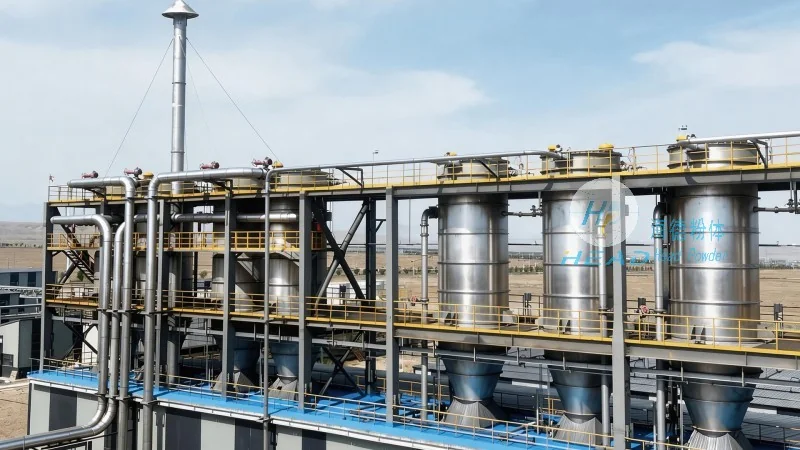
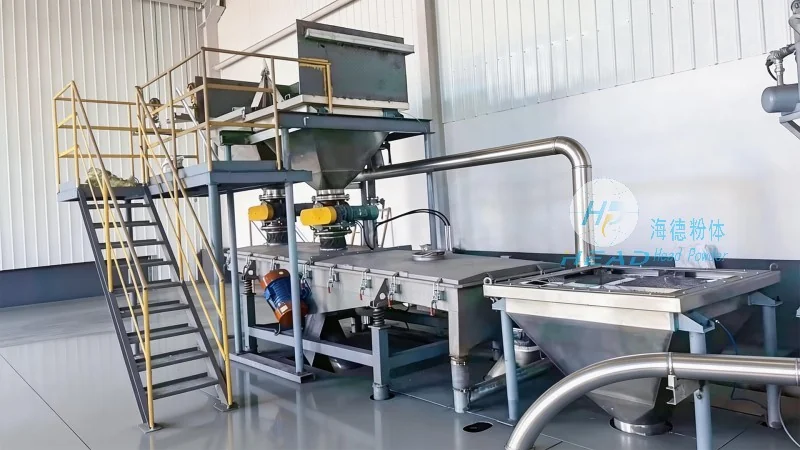
The operation of a lightweight micropowder material conveying line is based on several core principles designed to overcome the inherent properties of these materials. First, the system must ensure a consistent and controlled flow of material, preventing issues like bridging, arching, or clogging in the conveying path. This is typically achieved through the use of specialized feeders and hopper designs that maintain a uniform material bed and minimize air entrapment. Second, the conveying mechanism must be capable of handling low bulk density materials without excessive energy consumption or mechanical stress. This often involves the selection of appropriate conveyor types, such as pneumatic conveying systems or mechanical screw conveyors with optimized design parameters. Third, the system must incorporate effective dust control measures to protect both the material and the environment. This includes features like sealed hoppers, enclosed conveyor sections, and filtration systems to capture airborne particles and prevent contamination. Finally, the overall design must prioritize safety and operational efficiency, ensuring minimal downtime and easy maintenance. These principles collectively form the foundation of effective lightweight micropowder material handling solutions.
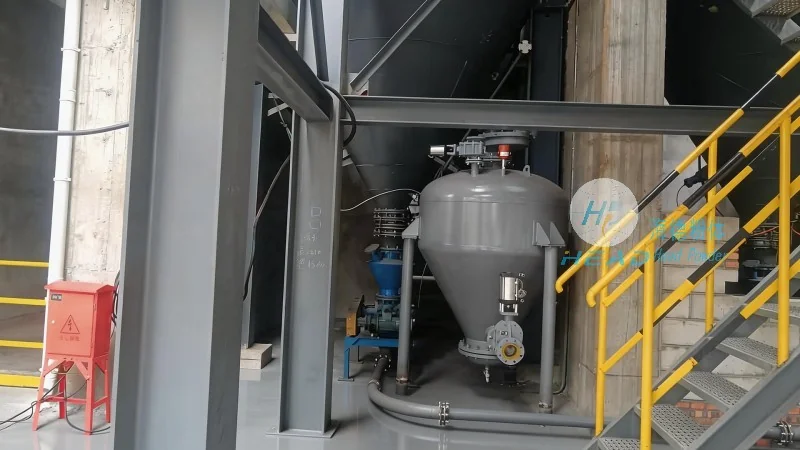
The working scene characteristics of lightweight micropowder material conveying lines are closely tied to the specific requirements of the industrial applications they serve. In chemical manufacturing, for example, these systems are often used to transport raw materials like calcium carbonate, talc, or silica powders to processing units. The primary challenges in this scenario include maintaining product purity, preventing cross-contamination, and ensuring precise dosing for downstream processes. The conveying line may be integrated with automated batching systems and quality control equipment to meet stringent regulatory standards. In pharmaceutical industries, the requirements are even more stringent, focusing on sterile handling, particle size control, and traceability. The conveying system must be designed to minimize product exposure to air and moisture, often incorporating HEPA filters and sterile air handling components. Similarly, in food processing, the emphasis is on hygiene, non-toxic materials, and compliance with food safety regulations. The conveyor components are typically made from food-grade materials, and the system is designed to prevent any contamination from external sources. Each of these working scenes demands a tailored approach to the conveying line design, balancing efficiency with the specific constraints of the application.
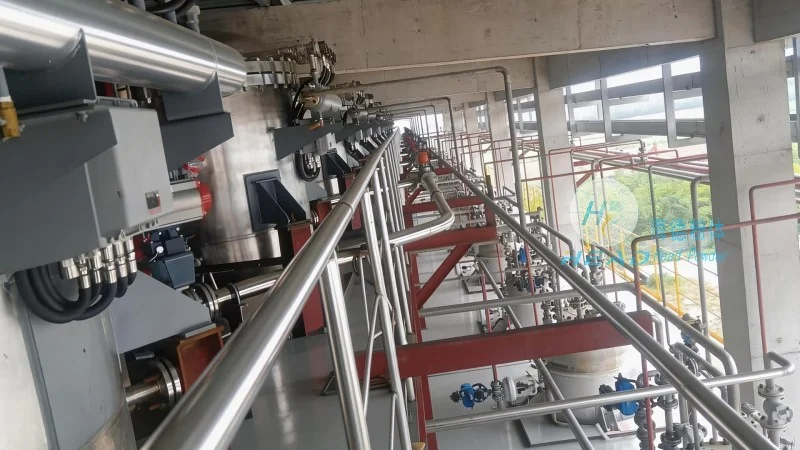
Shandong HeadPowder Engineering Co., Ltd., a leading provider of material handling solutions, specializes in the design, manufacturing, and implementation of lightweight micropowder material conveying lines. With a strong focus on innovation and customer-centric solutions, HeadPowder Engineering has developed a range of products tailored to the unique needs of various industries. The company’s expertise lies in understanding the challenges associated with handling lightweight micropowders and translating them into effective conveying systems. By leveraging advanced engineering principles and years of industry experience, HeadPowder Engineering offers customized solutions that address the specific requirements of each client. The company’s facilities are located in Shandong, China, where they maintain state-of-the-art manufacturing capabilities and a dedicated team of engineers and technicians. HeadPowder Engineering’s commitment to quality and reliability has made them a trusted partner for businesses seeking efficient and reliable lightweight micropowder material handling solutions.

 Shandong Headpowder Engineering Co., Ltd.
 156-6277-7102(Manager Zhang)
  0531-83386006
  Zhangqiu District, Jinan City, Shandong Province, China
telephone
WeChatconsult
top