With more than 10‑year industry experience, Shandong Headpowder delivers full‑service pneumatic‑conveying systems and blowers, undertaking nationwide turn‑key powder‑handling projects.
HeadPowder, a leading provider of industrial powder handling solutions, specializes in the design and manufacturing of advanced systems for transporting anhydrous sodium sulfate. This article explores the fundamental principles behind the anhydrous sodium sulfate powder conveying system, as well as the key characteristics of its operational environments. By understanding these aspects, industries such as chemical processing, mining, and material handling can optimize their material transport processes and enhance operational efficiency.
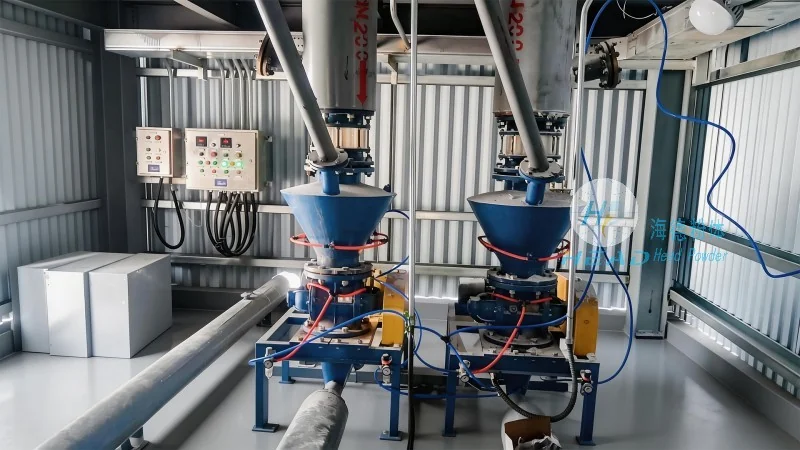
Shandong HeadPowder Engineering Co., Ltd., based in Shandong, China, is dedicated to delivering high-quality, reliable equipment for powder handling applications. With years of experience in the industry, HeadPowder has developed a deep understanding of the unique challenges associated with transporting fine powders like anhydrous sodium sulfate. The company's commitment to innovation and customer satisfaction has established it as a trusted partner for businesses seeking efficient and effective powder conveying solutions.
The anhydrous sodium sulfate powder conveying system operates on the principle of utilizing mechanical force to move bulk materials through a closed or open pipeline. The system typically consists of several key components, including a feeding hopper, a conveyor mechanism (such as a screw conveyor or pneumatic conveyor), and a control system. The feeding hopper ensures a consistent supply of material, while the conveyor mechanism transfers the powder from the source to the destination. The control system monitors and regulates the flow rate, pressure, and other parameters to maintain optimal performance and prevent issues like blockages or material degradation.
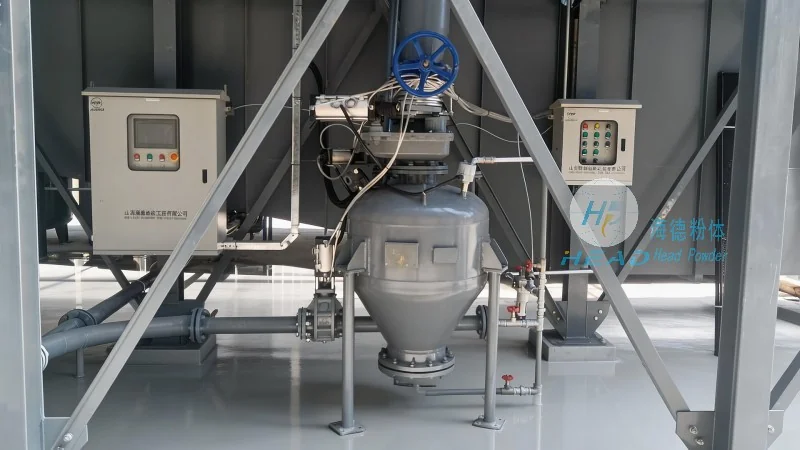
The operational environment of the anhydrous sodium sulfate powder conveying system is characterized by several factors that influence its design and performance. First, the material's physical properties, such as its particle size, density, and flowability, are critical considerations. Anhydrous sodium sulfate is a fine powder with a relatively high density, which can affect the system's efficiency and require specialized equipment to handle. Second, the system's working environment may involve varying temperatures and humidity levels, which can impact the material's behavior and the equipment's durability. For instance, in industrial settings where the material is processed at high temperatures, the conveying system must be designed to withstand thermal stress and prevent material caking or degradation.
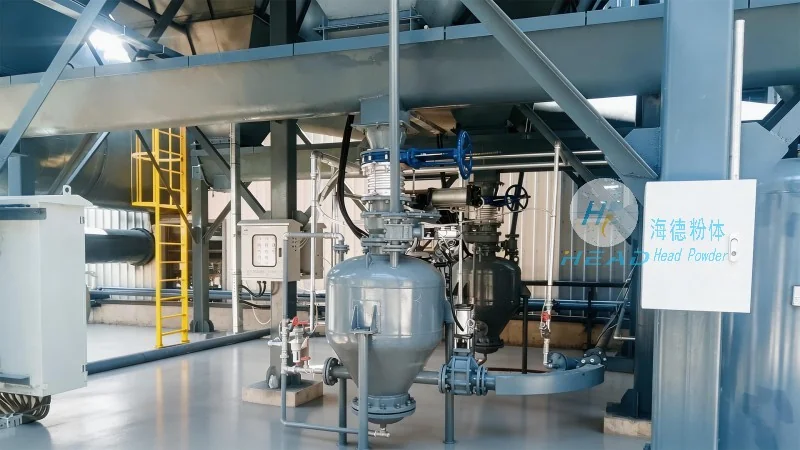
The anhydrous sodium sulfate powder conveying system is widely used in various industrial applications, including chemical manufacturing, food processing, and mining operations. In chemical manufacturing, the system is essential for transporting raw materials to reactors and finished products to storage facilities. The benefits of using this system include improved safety, as it eliminates the need for manual handling of powders, which can pose health risks. Additionally, the system enhances operational efficiency by reducing downtime and increasing the throughput of material. The closed-loop design of the system also minimizes dust emissions, contributing to a cleaner and safer working environment.
Proper maintenance and operational considerations are crucial for ensuring the long-term performance and reliability of the anhydrous sodium sulfate powder conveying system. Regular inspections of the conveyor components, such as the screw or pneumatic lines, are necessary to detect and address any wear or damage. Cleaning the system after each use is also important to prevent material buildup and maintain the system's efficiency. Furthermore, the control system should be calibrated regularly to ensure accurate flow control and prevent overloading or underloading of the conveyor. By adhering to these maintenance practices, industries can maximize the lifespan of their equipment and minimize operational costs.

 Shandong Headpowder Engineering Co., Ltd.
 156-6277-7102(Manager Zhang)
  0531-83386006
  Zhangqiu District, Jinan City, Shandong Province, China
telephone
WeChatconsult
top