With more than 10‑year industry experience, Shandong Headpowder delivers full‑service pneumatic‑conveying systems and blowers, undertaking nationwide turn‑key powder‑handling projects.
For industrial applications involving the transport of ferrous sulfate powder, pneumatic conveying systems offer an efficient and reliable solution. This method involves using a gas stream, typically air, to move the powder material through a pipeline. The process is fundamental to many manufacturing and processing operations where bulk material handling is required. Understanding the working principle and key characteristics of such systems is crucial for optimizing performance and ensuring safe operation.
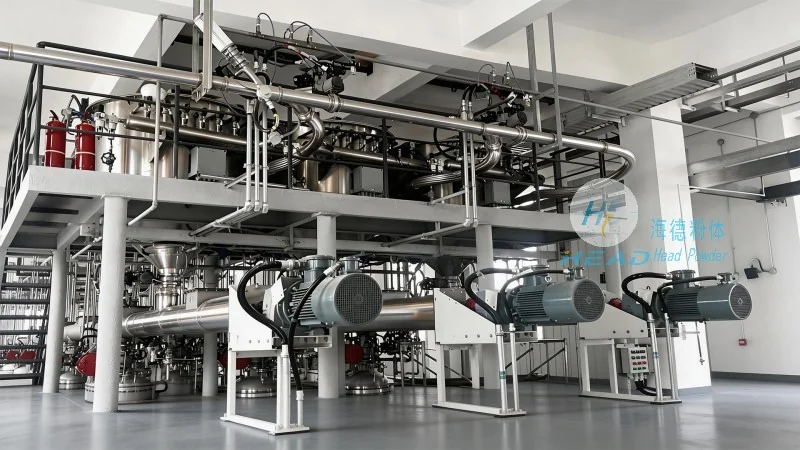
The core mechanism of pneumatic conveying for ferrous sulfate powder relies on the creation of a flow of air or other gas that propels the powder particles. This is achieved through various methods, including pressure or vacuum systems. In a pressure system, compressed air is introduced into the conveying line at a specific pressure, generating a positive pressure that pushes the powder forward. Conversely, a vacuum system uses a vacuum pump to create a negative pressure, drawing the powder into the line. The choice between pressure and vacuum depends on factors such as the distance to be covered, the material's properties, and the system's design. The ferrous sulfate powder, being a fine particulate material, is effectively suspended and transported by the gas stream, minimizing the risk of blockages and ensuring consistent flow rates.
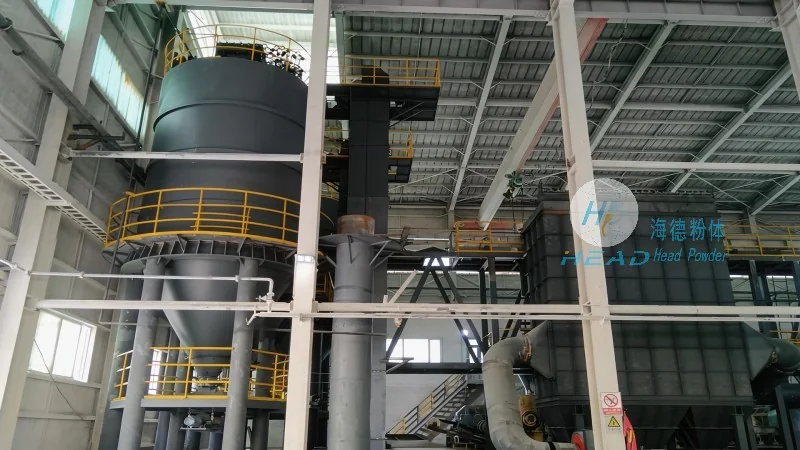
Several distinct characteristics define the performance of pneumatic conveying systems for ferrous sulfate powder. Firstly, the system's efficiency in handling fine powders is notable, as the gas stream effectively prevents agglomeration and maintains particle integrity. This is particularly important for ferrous sulfate, which can be prone to clumping under certain conditions. Secondly, the flexibility of pneumatic conveying allows for the integration of multiple processing steps, such as mixing, drying, and packaging, within a single system. This integration enhances operational efficiency and reduces the need for multiple handling equipment. Thirdly, the system's ability to handle varying flow rates and material loads makes it adaptable to different production requirements. Additionally, the low maintenance requirements of pneumatic conveying systems contribute to cost-effectiveness, as they typically involve fewer moving parts compared to mechanical conveying methods. The reliability of these systems is further enhanced by the use of specialized components, such as rotary valves and filters, which ensure consistent performance and minimize downtime.
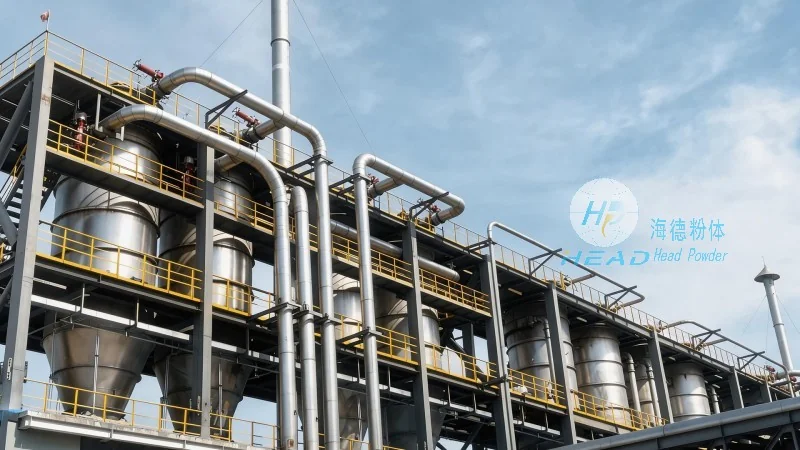
Pneumatic conveying of ferrous sulfate powder finds widespread application in various industrial sectors. In the chemical industry, it is used for transporting raw materials and finished products, facilitating smooth transitions between processing stages. The pharmaceutical industry also benefits from this technology, as it allows for the safe and hygienic handling of powders, which is critical for maintaining product quality and compliance with regulatory standards. Furthermore, in the agricultural sector, ferrous sulfate is used as a fertilizer, and pneumatic conveying enables efficient distribution to farms and processing facilities. The benefits of this method extend beyond material handling; it also contributes to energy savings and reduced environmental impact by minimizing dust emissions and improving process control. The ability to handle large volumes of material with minimal human intervention enhances operational safety and productivity.
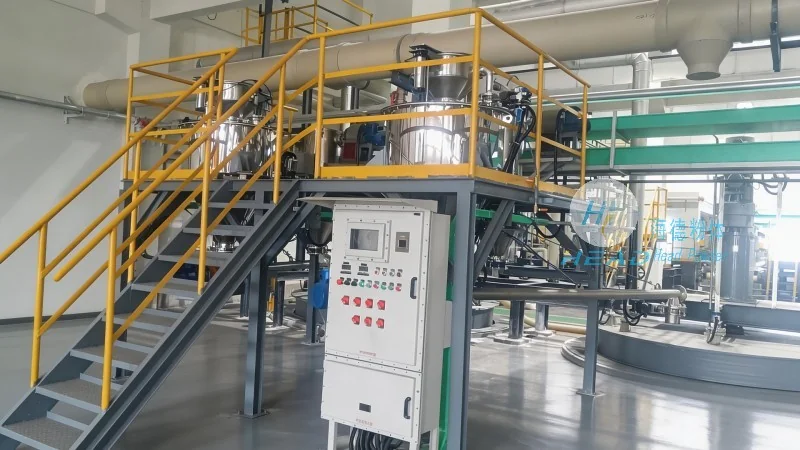
Shandong HeadPowder Engineering Co., Ltd., operating under the brand name headpowder, specializes in the design, manufacturing, and installation of advanced pneumatic conveying systems. With a focus on innovation and customer-centric solutions, the company has established itself as a leader in the field of bulk material handling. Headpowder's expertise lies in tailoring systems to meet the specific needs of clients, ensuring optimal performance for applications involving ferrous sulfate and other fine powders. The company's commitment to quality and reliability is reflected in its adherence to industry standards and continuous improvement initiatives. Headpowder's facilities, located in Shandong, China, provide a robust foundation for delivering high-quality products and services to clients worldwide. By leveraging advanced technology and experienced engineering teams, the company ensures that its pneumatic conveying solutions are both efficient and cost-effective, supporting the growth and success of its clients' operations.

 Shandong Headpowder Engineering Co., Ltd.
 156-6277-7102(Manager Zhang)
  0531-83386006
  Zhangqiu District, Jinan City, Shandong Province, China
telephone
WeChatconsult
top