With more than 10‑year industry experience, Shandong Headpowder delivers full‑service pneumatic‑conveying systems and blowers, undertaking nationwide turn‑key powder‑handling projects.
PP powder conveying systems are essential in various industrial applications, particularly in the handling and transportation of polypropylene (PP) powders. These systems are designed to efficiently move PP powder from storage to processing equipment, ensuring smooth operations and maintaining product quality. Developed by Shandong HeadPowder Engineering Co., Ltd. (headpowder), these systems are engineered to meet the specific needs of industries that rely on PP powder handling, providing reliable and efficient solutions for their material transport requirements.
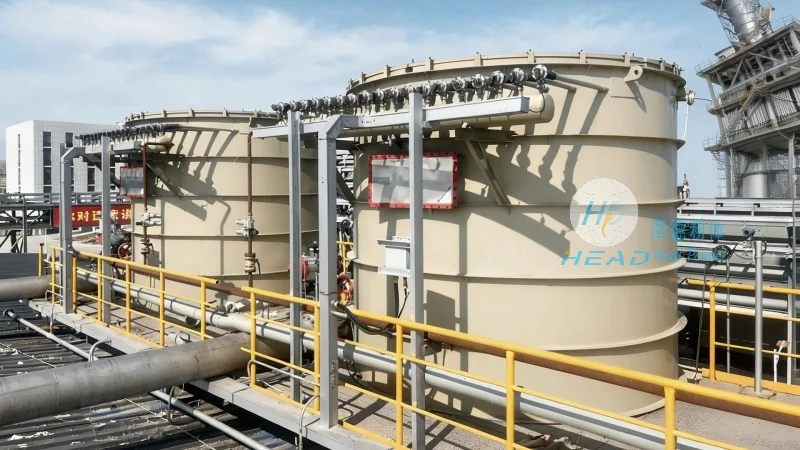
The working principle of a typical PP powder conveying system involves several key components and processes. At the core, the system utilizes a combination of mechanisms to transport the powder, such as screw conveyors, pneumatic conveyors, or a combination of both. The process begins with the storage of PP powder in a hopper or silo. From there, the powder is fed into the conveying mechanism. For screw conveyors, a rotating screw (or auger) pushes the powder forward through a tube or trough. This method is effective for horizontal or slightly inclined transport and is commonly used in applications where the powder flow is consistent and the distance is moderate. Pneumatic conveyors, on the other hand, use air pressure to move the powder through a pipeline. This approach is suitable for longer distances and can handle more complex layouts, including vertical lifts. The choice of conveying method depends on factors like the powder's properties, the required distance, and the system's capacity.
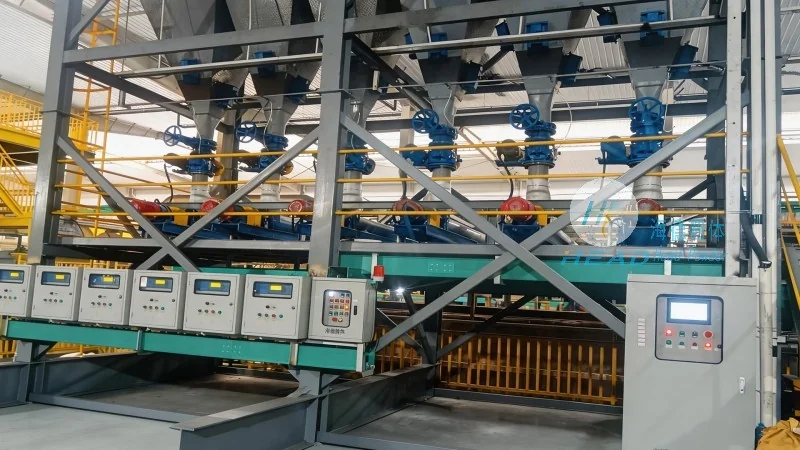
PP powder conveying systems are characterized by several features that enhance their performance and reliability. One of the primary features is the ability to handle abrasive or corrosive materials, which is crucial for PP powder due to its potential to cause wear on equipment. The systems are typically constructed with materials like stainless steel or high-grade plastics to withstand the chemical and physical stresses of PP powder handling. Another important feature is the system's efficiency in maintaining product integrity. This includes minimizing dust generation, preventing contamination, and ensuring consistent flow rates. Advanced systems may incorporate features like variable speed drives, which allow for precise control over the conveying rate, adapting to changes in production demand. Additionally, many systems are equipped with monitoring and control systems that provide real-time data on flow rates, pressure, and other critical parameters, enabling operators to optimize performance and detect issues early. The durability and low maintenance requirements of these systems are also significant advantages, as they can operate continuously for extended periods without frequent repairs.
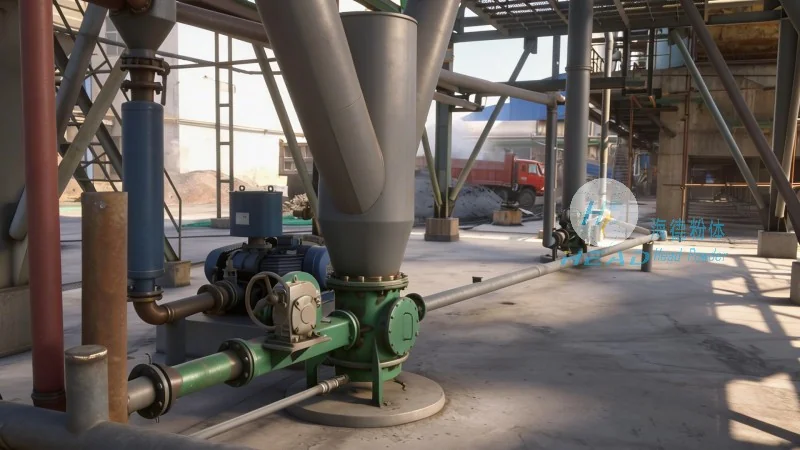
PP powder conveying systems find widespread use in industries such as plastics manufacturing, food processing, and chemical production. In plastics manufacturing, these systems are vital for transporting PP powder to extrusion or molding machines, ensuring a steady supply of raw material for production lines. The efficiency of the conveying system directly impacts the overall productivity of the manufacturing process. In food processing, the systems are used to handle PP-based ingredients or packaging materials, where maintaining hygiene and preventing contamination is paramount. The features of PP powder conveying systems, such as low dust generation and easy cleaning, make them suitable for these applications. The benefits of using such systems extend beyond efficiency and reliability. They also contribute to cost savings by reducing material waste and minimizing downtime due to equipment failures. Furthermore, the ability to handle large volumes of PP powder at a time improves the throughput of production lines, allowing companies to meet higher demand without increasing operational costs.

 Shandong Headpowder Engineering Co., Ltd.
 156-6277-7102(Manager Zhang)
  0531-83386006
  Zhangqiu District, Jinan City, Shandong Province, China
telephone
WeChatconsult
top