With more than 10‑year industry experience, Shandong Headpowder delivers full‑service pneumatic‑conveying systems and blowers, undertaking nationwide turn‑key powder‑handling projects.
HeadPowder, a leading manufacturer based in Shandong, China, specializes in the design and production of advanced pneumatic conveying systems tailored for agricultural products like wheat bran. This article delves into the operational principles and key characteristics of their wheat bran pneumatic conveying equipment, providing a comprehensive overview for potential clients and industry professionals.
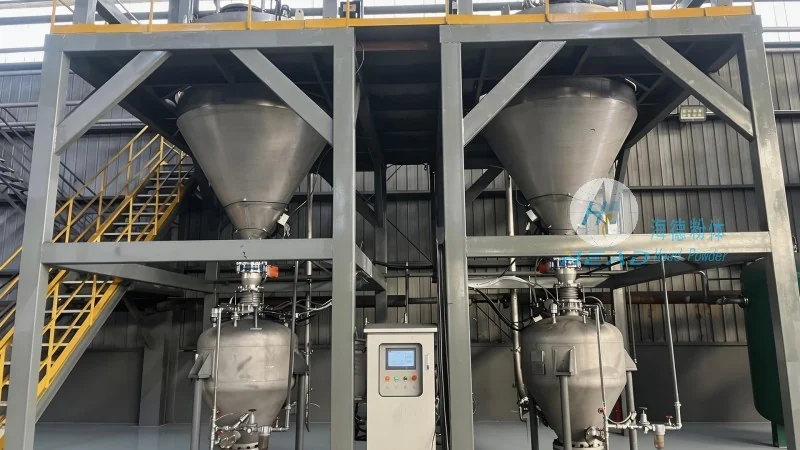
The working principle of the wheat bran pneumatic conveying system revolves around the fundamental concept of air movement to transport bulk solids. The system operates by creating a flow of air within a pipeline, which entrains the wheat bran particles and propels them to the destination. There are two main types of pneumatic conveying systems: positive pressure and negative pressure. Positive pressure systems utilize a blower or compressor to generate pressurized air that pushes the material through the pipeline. The air velocity is critical; it must be sufficient to lift and transport the bran particles without causing excessive pressure drops or wear on the system components. The system typically includes a hopper for material storage, a feeder to control the flow rate, and a pipeline network with appropriate fittings and valves. The air is introduced at the inlet of the hopper, and the bran is drawn into the air stream as it moves through the pipeline. The design of the hopper and feeder ensures a consistent material feed, preventing blockages and maintaining stable conveying rates. Negative pressure systems, conversely, employ a vacuum pump to create a low-pressure environment that draws the wheat bran into the pipeline. This method is particularly useful for applications where the material needs to be transported from multiple sources or where dust control is a priority. The vacuum pump is located at the discharge end of the system, and the air is drawn through the pipeline, carrying the bran particles to the collection point. Both systems rely on the principles of fluid dynamics and particle physics to ensure efficient and reliable transport.
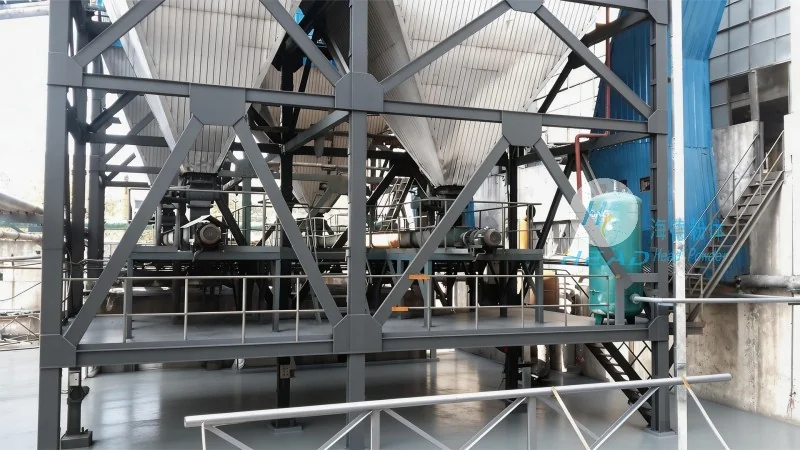
Shandong HeadPowder Engineering Co., Ltd. has developed several key features that distinguish their wheat bran pneumatic conveying equipment. The first is the use of high-quality, corrosion-resistant materials, such as stainless steel and aluminum alloys, which are resistant to the acidic and abrasive properties of wheat bran. This ensures the longevity of the system and reduces maintenance costs over time. The equipment is also designed with modular components, allowing for easy installation, maintenance, and upgrades. For instance, the blower, feeder, and pipeline sections can be replaced or modified without disrupting the entire system operation. Advanced control systems are integrated into the design, providing real-time monitoring and automation capabilities. These systems can track parameters like air pressure, flow rate, and material level, and adjust the operation automatically to maintain optimal performance. The inclusion of dust suppression features, such as cyclone separators and HEPA filters, is another critical aspect. These components capture and remove airborne particles, ensuring compliance with environmental regulations and maintaining a clean working environment. Energy efficiency is a priority, with the use of variable frequency drives (VFDs) that adjust motor speed based on the conveying demand. This reduces energy consumption by up to 30% compared to traditional systems, leading to lower operational costs. Additionally, the systems are equipped with safety features, including pressure relief valves and emergency stop buttons, to prevent accidents and ensure operator safety.
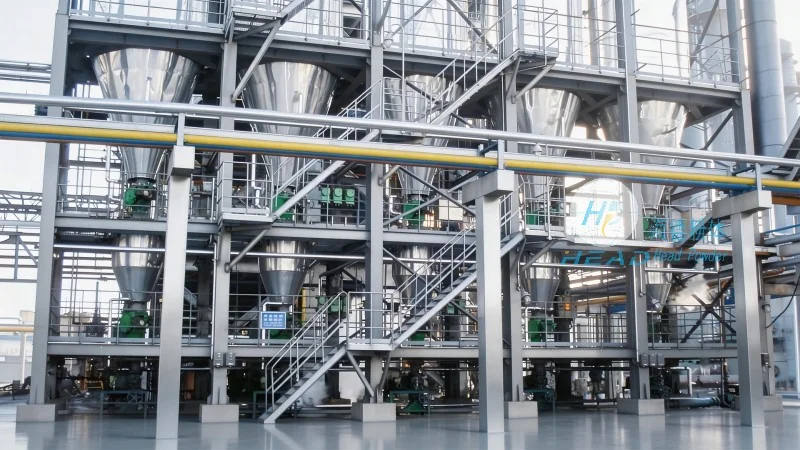
The advantages of the wheat bran pneumatic conveying systems from HeadPowder are significant for industries dealing with bulk agricultural products. One of the primary benefits is the ability to transport wheat bran over long distances with minimal material loss and contamination. Unlike traditional belt or bucket elevators, pneumatic systems do not require physical contact with the material, reducing the risk of product degradation or cross-contamination. The enclosed pipeline design also prevents dust from escaping into the environment, which is essential for maintaining a safe and healthy workplace. The systems are highly adaptable to different production scales, from small-scale farms to large industrial facilities. This flexibility allows businesses to scale their operations without investing in new equipment. In practical applications, these systems are widely used in flour mills, where wheat bran is transported from storage silos to the milling and packaging lines. They are also employed in feed production plants, where the bran is mixed with other ingredients to create animal feed. The consistent and reliable transport of wheat bran ensures smooth production workflows, reduces downtime, and improves overall productivity. Furthermore, the systems are designed to handle varying material conditions, such as wet or dry bran, and can be adjusted to accommodate different particle sizes and densities. This versatility makes them suitable for a wide range of processing applications, from food production to agricultural processing.

 Shandong Headpowder Engineering Co., Ltd.
 156-6277-7102(Manager Zhang)
  0531-83386006
  Zhangqiu District, Jinan City, Shandong Province, China
telephone
WeChatconsult
top